
Introduction
Nylon braided hoses have become essential components across numerous industries due to their exceptional durability and versatility. These hoses combine the flexibility of nylon with the strength of braided reinforcement, creating reliable solutions for fluid and air transfer systems. However, like all industrial components, they require proper maintenance to ensure optimal performance and longevity. This comprehensive guide explores everything you need to know about maintaining nylon braided hoses, from basic characteristics to industry-specific care techniques. We’ll cover key maintenance practices, common applications, and answer frequently asked questions to help you get the most from your nylon braided hose systems.
Understanding Nylon Braided Hoses: Definition and Key Features
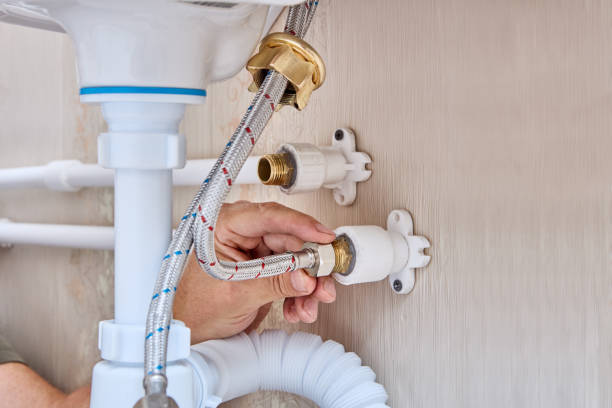
Nylon braided hoses consist of a nylon inner tube reinforced with braided synthetic fibers or sometimes metal wires. This construction gives them unique properties that make them suitable for demanding applications:
- High Pressure Resistance: The braided reinforcement allows these hoses to withstand significant internal pressure
- Excellent Flexibility: Nylon’s natural bendability combined with the braided design creates hoses that can navigate tight spaces
- Chemical Resistance: Nylon resists many oils, fuels, and chemicals better than rubber alternatives
- Temperature Tolerance: Most varieties handle temperatures between -40°F to 200°F (-40°C to 93°C)
- Abrasion Resistance: The outer braid protects against wear from external contact
The braiding typically uses materials like polyester, aramid fibers, or stainless steel, depending on the specific requirements of pressure, flexibility, and environmental conditions. This multi-layer construction is what gives nylon braided hoses their distinctive appearance and performance characteristics.
Essential Maintenance Practices for Nylon Braided Hoses
Proper maintenance significantly extends the service life of nylon braided hoses. Follow these key practices:
Regular Inspection Routine
Establish a schedule to examine hoses for:
- Cracks or abrasions on the outer surface
- Signs of swelling or deformation
- Leaks at connection points
- Discoloration that might indicate chemical damage
- Any stiffness or reduced flexibility
Cleaning Procedures
Different applications require different cleaning approaches:
- For general industrial use: Flush with compatible solvents
- Food-grade applications: Use FDA-approved cleaners
- Chemical transfer: Perform thorough compatibility checks before cleaning
- Always ensure complete drying before returning to service
Proper Storage Methods
When not in use:
- Store in a cool, dry place away from direct sunlight
- Avoid sharp bends or kinks that could set permanently
- Keep away from ozone-generating equipment
- Use protective caps on open ends
Installation Best Practices
- Never exceed the recommended bend radius
- Use proper supports to prevent unnecessary stress
- Avoid twisting during installation
- Ensure fittings are properly secured but not overtightened
Common Applications and Industry-Specific Maintenance
Nylon braided hoses serve critical functions across multiple industries, each with unique maintenance considerations:
Automotive Industry
Applications: Fuel lines, brake systems, coolant transfer
Maintenance Tips:
- Check for oil or fuel degradation more frequently
- Monitor for increased stiffness in engine compartments
- Replace at first signs of cracking due to vibration exposure
Industrial Manufacturing
Applications: Pneumatic tools, hydraulic systems, compressed air
Maintenance Tips:
- Inspect more often in high-vibration environments
- Watch for internal wear from particulate matter
- Consider filtration systems to extend hose life
Food and Beverage Processing
Applications: Liquid transfer, sanitary connections
Maintenance Tips:
- Follow strict sanitation protocols
- Use only approved cleaning agents
- Replace more frequently to prevent bacterial buildup
Chemical Processing
Applications: Chemical transfer, solvent handling
Maintenance Tips:
- Verify chemical compatibility regularly
- Inspect for any signs of permeation
- Have spill containment measures in place
Medical Equipment
Applications: Gas delivery, fluid transfer
Maintenance Tips:
- Maintain meticulous cleaning records
- Replace according to strict schedules
- Store in sterile environments when possible
Frequently Asked Questions (FAQ)
1. How often should I replace my nylon braided hose?
Replacement intervals depend on usage conditions, but most manufacturers recommend replacement every 3-5 years for general applications or immediately when any damage is detected.
2. Can I repair a damaged nylon braided hose instead of replacing it?
While temporary repairs are possible for minor damage, most industry standards recommend replacement for any compromised hoses, especially in critical applications.
3. What’s the best way to clean a nylon braided hose?
Use mild soap and water for general cleaning, or isopropyl alcohol for degreasing. Always verify chemical compatibility and rinse thoroughly.
4. Why does my nylon hose feel stiffer than when it was new?
This is normal aging, but accelerated by exposure to heat, certain chemicals, or UV light. Consider replacement if flexibility loss affects performance.
5. How can I tell if my hose is chemically compatible with my application?
Consult the manufacturer’s chemical resistance charts and look for any signs of swelling, cracking, or discoloration during use.
Troubleshooting Common Issues
Even with proper maintenance, issues can arise. Here’s how to address them:
Leaks at Connections
- Check fitting condition and seating
- Verify proper assembly technique
- Ensure you’re using correct fittings for hose type
External Cracking
- Reduce exposure to sunlight or ozone
- Consider a different hose material if chemical exposure is the cause
- Replace immediately if cracks penetrate beyond surface
Internal Degradation
- Improve filtration if particulate damage is evident
- Verify fluid compatibility
- Consider lining options for problematic fluids
Reduced Flexibility
- Check for excessive heat exposure
- Verify minimum bend radius hasn’t been exceeded
- Consider a more flexible hose alternative if needed
Conclusion
Proper maintenance of nylon braided hoses ensures reliable performance, safety, and cost-effectiveness across all applications. By understanding the unique characteristics of these hoses and implementing regular inspection and care routines, users can significantly extend service life while preventing unexpected failures. Remember that while nylon braided hoses are durable, they still require attention and proper handling. Always follow manufacturer recommendations for your specific hose type and application, and don’t hesitate to consult with experts when unusual conditions arise. With proper care, your nylon braided hose systems will provide years of trouble-free service.
Contact
IFAN is a Chinese manufacturer of plastic pipes, fittings and valves with 30 years of experience. If you are interest in IFAN copper fittings, copper valves, plastic pipes and fittings, please contact us. IFAN offers you a variety of standard pipes to meet your specific needs. Click below to learn more about IFAN’s wide range of affordable and cost-effective valve products and piping system related products.
We will reply your email or fax within 24 hours.
You can call us at any time if there is any question on our production.
For more information,pls visit our webside https://www.waterpipefactory.com/
Pls Mailto: [email protected]
Whatsapp: + 86 152 1588 7738