
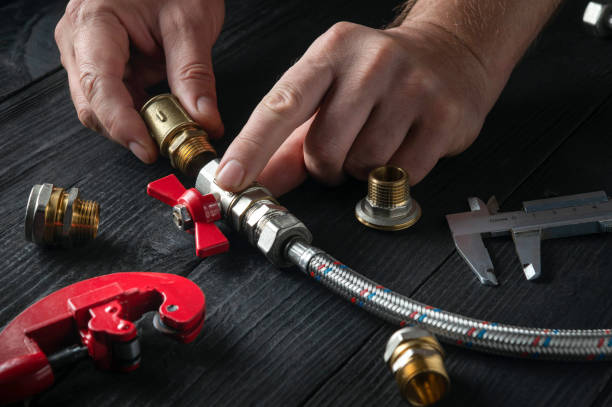
When engineers and designers need a reliable hose solution that balances strength, durability, and flexibility, they often turn to nylon braided hoses. These hoses represent a significant advancement in fluid and air transfer technology, offering a superior alternative to traditional rubber, PVC, or thermoplastic options. Their unique construction, which combines a resilient nylon inner tube with a high-tensile reinforcing braid, results in a product that excels in high-pressure and demanding environments. This article provides an in-depth exploration of nylon braided hoses, detailing their fundamental characteristics, answering common questions, and examining their widespread use across various industries. Understanding their performance capabilities will help you select the right hose for your specific application needs.
Basic Definition and Key Characteristics
A nylon braided hose is a type of flexible tubing engineered for performance. Its construction begins with an inner tube typically made from nylon 11 or nylon 12, materials chosen for their inherent toughness and chemical resistance. This tube is then seamlessly reinforced with a braided layer of high-strength nylon yarn. This critical design element acts as a supportive skeleton, containing pressure and providing exceptional resistance to mechanical stress.
The performance characteristics that set these hoses apart are numerous and impactful:
- Superior Pressure Resistance: The braided reinforcement layer dramatically increases the hose’s pressure rating. It can withstand much higher operating and burst pressures than non-reinforced hoses, making it a safe and dependable choice for hydraulic and pneumatic systems.
- Outstanding Abrasion Resistance: The external braid serves as a protective shield, guarding the inner tube against wear from rubbing against machinery, equipment, or other surfaces. This greatly enhances its service life in harsh conditions.
- Lightweight and Highly Flexible: Despite their impressive strength, these hoses remain remarkably lightweight and flexible. This combination simplifies installation, reduces the overall weight of systems, and allows for easy routing around obstacles and in confined spaces.
- Excellent Chemical Compatibility: Nylon materials generally offer strong resistance to a wide array of chemicals, including hydraulic oils, fuels, solvents, and many coolants. This makes them suitable for diverse industrial environments.
- Low Permeability: These hoses provide an excellent barrier against permeation, particularly for fuels and volatile hydrocarbons. This property is essential for reducing fluid loss and minimizing harmful evaporative emissions.
Common Uses and Application Industries
The robust feature set of nylon braided hoses makes them incredibly versatile, leading to their adoption in a wide spectrum of industries where reliability is non-negotiable.
- Automotive Manufacturing: This sector is a primary user of these hoses. Applications include critical fuel lines, brake lines, transmission cooling systems, and lubrication lines. Their resistance to automotive fluids and low permeability help vehicle manufacturers meet stringent environmental emission standards.
- Industrial Machinery and Automation: On factory floors, these hoses are indispensable. They power pneumatic tools, convey compressed air to machinery, and serve as hydraulic lines in robotic arms and automated guided vehicles (AGVs). Their flexibility and abrasion resistance are key for dynamic applications.
- Chemical Processing and Transfer: For the safe handling and transfer of many chemicals, lubricants, and hydraulic fluids, nylon braided hoses offer a reliable and durable solution. It is always essential to confirm chemical compatibility with the specific nylon compound before deployment.
- Food and Beverage Processing: Specific grades of nylon that comply with FDA (Food and Drug Administration) regulations are available for this industry. These safe hoses are used for transferring food-grade oils, ingredients, and compressed air that comes into contact with products.
- Mobile Equipment: The agriculture and construction industries rely on these hoses in machinery like tractors, excavators, and harvesters. Their ability to handle high pressure and resist environmental wear and tear makes them ideal for these challenging outdoor applications.
Frequently Asked Questions (FAQ)
1. How do nylon braided hoses perform compared to rubber hoses?
Nylon braided hoses typically offer a higher strength-to-weight ratio, meaning they provide greater burst pressure resistance while being significantly lighter. They also generally outperform rubber in resistance to abrasion, many chemicals, and degradation from ozone and weathering.
2. What is the primary performance difference between nylon braided and PVC hoses?
The main differences are in pressure capacity, temperature range, and durability. Nylon braided hoses can handle much higher pressures and offer a wider operational temperature range than standard PVC hoses. PVC can become brittle in cold weather and may soften or deform under high heat, whereas nylon maintains its structural integrity across a broader spectrum.
3. Can I use a standard nylon braided hose for drinking water applications?
No, you should not use a standard industrial-grade nylon braided hose for potable water. Only hoses made with materials that are explicitly rated and certified as safe for drinking water (such as those meeting NSF/ANSI 61 standards) are suitable for this purpose.
4. Are these hoses a good choice for compressed air systems?
Yes, they are an excellent choice. Their high pressure rating and flexibility make them ideal for powering pneumatic tools and equipment throughout a workshop or factory. Always ensure the hose’s maximum pressure rating exceeds your compressor’s output.
5. What factors influence the lifespan of a nylon braided hose?
Several factors affect service life, including continuous operating temperature, exposure to UV radiation, compatibility with the specific fluid being conveyed, and the frequency of pressure cycles.
Conclusion
In summary, nylon braided hoses stand out as a premier solution for demanding fluid and air transfer applications across a multitude of industries. Their engineered construction delivers an unmatched combination of light weight, high flexibility, and exceptional strength, offering clear performance advantages over traditional hose materials. While selecting the right hose always requires careful consideration of chemical compatibility and environmental conditions, the inherent benefits of nylon braided hoses—including longevity, reliability, and efficiency—make them a intelligent and cost-effective choice. From enabling advanced automation on the factory floor to ensuring vehicle safety on the road, these hoses play a vital, though often unseen, role in modern technology and industry.
Contact
IFAN is a Chinese manufacturer of plastic pipes, fittings and valves with 30 years of experience. If you are interest in IFAN copper fittings, copper valves, plastic pipes and fittings, please contact us. IFAN offers you a variety of standard pipes to meet your specific needs. Click below to learn more about IFAN’s wide range of affordable and cost-effective valve products and piping system related products.
We will reply your email or fax within 24 hours.
You can call us at any time if there is any question on our production.
For more information,pls visit our webside https://www.waterpipefactory.com/
Pls Mailto: [email protected]
Whatsapp: + 86 152 1588 7738