
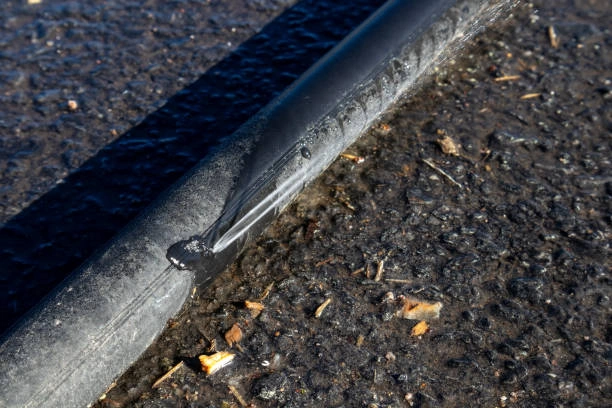
1. HDPE Pipes Today: A Reliable Industry Standard
The Future of HDPE Pipes dominate modern plumbing and infrastructure projects. Their strength, flexibility, and corrosion resistance make them ideal for water, gas, and sewage systems. Many contractors prefer HDPE for underground installations. Unlike metal, HDPE resists rust and chemical attacks. For example, municipalities often use HDPE pipes for long-distance water transport. Additionally, its lightweight nature lowers shipping and installation costs. Because of this, HDPE has replaced traditional materials in many countries. Construction professionals appreciate its long service life and minimal maintenance needs. As cities expand, HDPE meets the growing infrastructure demands. This strong foundation sets the stage for future innovations.
2. Material Innovations Reshape Performance
Recent advances in polymer science improve HDPE pipe quality. Manufacturers now create blends with greater pressure resistance. Some HDPE types endure harsh climates and aggressive soils. For example, multilayer HDPE pipes combine durability and thermal insulation. Developers also add UV stabilizers to prevent sun damage. These innovations extend pipe lifespan and reduce failures. Additionally, smart coatings resist microbial growth and enhance flow efficiency. Material science continues to evolve, ensuring HDPE remains a cutting-edge solution. Engineers now design HDPE for more complex environments. Consequently, users can rely on HDPE for a wider range of applications.
3. Sustainability Drives Design and Production
Sustainability influences every step of HDPE pipe production. Many manufacturers recycle offcuts and defective batches. Recycled HDPE products support circular economy goals. For instance, post-consumer HDPE finds new life in non-pressurized systems. Moreover, low energy input reduces carbon emissions during manufacturing. Some facilities now operate with solar energy or green electricity. Because HDPE is chemically inert, it avoids leaching into soil or water. This trait supports eco-friendly construction standards. Additionally, HDPE pipes last over It depends on the actual situation., reducing the need for replacements. Long-term use limits resource consumption. As regulations tighten, producers will adopt greener processes to stay competitive.
4. Digital Technology Enhances Pipe Monitoring
The Future of HDPE Pipes with embedded sensors. These devices monitor pressure, temperature, and flow rates in real time. For example, a buried HDPE water main can alert users to leaks instantly. IoT connectivity allows remote tracking and data logging. Some systems even predict failures using machine learning. These insights reduce repair costs and prevent service interruptions. Additionally, digital monitoring increases safety in gas pipelines. With precise control, operators can optimize performance and save energy. Smart infrastructure will soon become standard. HDPE pipes must evolve to integrate with this digital transformation.
5. Installation Methods Evolve with Innovation
Traditional installation methods can disrupt communities and ecosystems. In response, engineers develop trenchless HDPE installation techniques. Horizontal directional drilling (HDD) allows pipe laying with minimal surface damage. This method proves ideal in urban zones or environmentally sensitive areas. For instance, HDD preserves roadways, reducing traffic disruptions. Additionally, pipe bursting replaces old lines without excavation. These methods save time, labor, and money. New joining techniques like electrofusion ensure stronger, leak-proof connections. As demand rises for rapid, eco-conscious installations, HDPE’s adaptability offers a clear advantage. These advances streamline infrastructure upgrades across regions.
6. Global Adoption Reflects Economic Efficiency
Countries worldwide embrace HDPE pipes for public and private projects. Developing nations choose HDPE for affordable, long-lasting infrastructure. In Africa, HDPE supports water access in rural regions. In Southeast Asia, it improves urban drainage and flood control. Because HDPE resists environmental stress, it performs well under extreme conditions. Governments appreciate its low maintenance and replacement costs. Additionally, HDPE systems scale easily for expanding populations. Exporters benefit from stable demand across global markets. As infrastructure investment grows, HDPE remains a cost-effective choice. Its broad utility ensures consistent relevance for years to come.
7. Challenges and Future Research Directions
Despite its benefits, HDPE still faces challenges. Not all recycled HDPE suits pressurized systems. Quality control must remain strict to ensure performance. In some climates, thermal expansion creates movement issues. Engineers address this with anchoring systems or expansion joints. Additionally, some users remain unaware of HDPE’s capabilities. Training programs can improve adoption and correct use. Ongoing research explores bio-based HDPE made from renewable feedstocks. Researchers also seek biodegradable additives to aid end-of-life management. By investing in innovation and education, the HDPE industry prepares for long-term success. Progress depends on collaboration between scientists, regulators, and manufacturers.
8. A Greener Future of HDPE Pipes
The future of HDPE lies in sustainability, resilience, and intelligence. With smarter systems, cities can detect problems before they worsen. With cleaner production, the industry reduces its ecological footprint. For example, combining HDPE with sensor networks creates proactive infrastructure. Also, training professionals ensures proper installation and maintenance. Sustainable practices lower total project costs while protecting the planet. These combined efforts strengthen HDPE’s role in modern construction. By embracing change, the industry leads toward a smarter, greener future.
IFAN International Standards
To meet global quality demands, IFAN HDPE pipes follow a wide range of international standards, such as ASTM D3035, ISO 4427, EN 12201, and GB/T 13663. These standards define the pipe’s strength, durability, and safety. Moreover, IFAN complies with DIN 8074/8075, AS/NZS 4130, JIS K6760, BS 6572, and CSA B137.1, making their products suitable for water, gas, and industrial systems worldwide. Because IFAN meets all these trusted certifications, users can confidently choose IFAN for reliable performance in any environment.
Connect
IFAN is a Chinese manufacturer of plastic pipes, fittings and valves with 30 years of experience. If you are interest in IFAN copper fittings, copper valves, plastic pipes and fittings, please contact us. IFAN offers you a variety of standard pipes to meet your specific needs. Click below to learn more about IFAN’s wide range of affordable and cost-effective valve products and piping system related products.
We will reply your email or fax within 24 hours.
You can call us at any time if there is any question on our production.
For more information,pls visit our webside https://www.waterpipefactory.com/
Pls Mailto: [email protected]
Whatsapp: + 86 152 1588 7738