
1. Basic Definition and Summary Overview
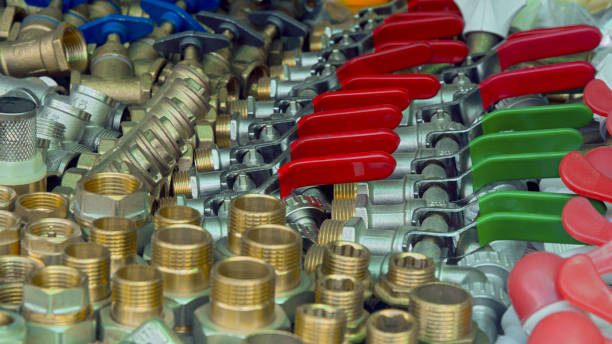
Brass fittings for drip irrigation system support precise water delivery in agricultural and landscape environments. These fittings connect tubes, control flow, and guide water to root zones. They resist corrosion, tolerate variable pressure, and last many seasons. Farmers, landscapers, and greenhouse operators choose them due to reliability and accuracy. A brass fittings for drip irrigation system layout reduces waste, limits evaporation loss, and improves plant health. These fittings also simplify maintenance by offering durable threads and tight sealing. In modern cultivation, water prices increase, and growers seek efficient solutions. Brass fittings reduce operational expenses and improve yields. By combining tubing, emitters, couplers, and valves, systems operate with stable output. Users expand networks easily thanks to modular designs. This introductory summary outlines the key function of these components and their connection to sustainable resource management. Many growers confirm that properly sized fittings improve uniform irrigation coverage. This article explores common questions, installation advice, industry updates, and comparisons to alternative materials. Readers gain structured information, useful examples, and practical insights.
2. FAQ – Five Common Questions
Q1: Are brass fittings safe for vegetable farms?
Yes, growers run brass fittings for drip irrigation system layouts safely because alloys resist harmful reactions and comply with agricultural standards.
Q2: Do they work with fertilizer injection?
Yes, brass handles nutrient solutions without deformation. Users flush lines after feeding cycles to maintain flow quality.
Q3: Can they endure winter conditions?
Yes, brass tolerates temperature swings. Users drain remaining water before frost to avoid ice expansion.
Q4: Do fittings fit flexible hoses?
Yes, many brands offer threaded, barbed, and compression connections. Users choose a model that matches tube diameter.
Q5: How long do the fittings last?
Users often operate brass fittings for many seasons. Proper cleaning extends lifespan.
3. Application Industries
A brass fittings for drip irrigation system model fits many professional fields. Agriculture uses them for orchards, vineyards, and vegetable rows. Landscapers install them in parks, golf courses, and resort gardens. Greenhouse farms prefer brass due to controlled humidity and frequent cleaning cycles. Municipal greening projects integrate them to reduce labor and water usage. Plant nurseries connect fittings onto micro-tubes for potted crops. Commercial flower producers rely on consistent moisture to enhance blossom density. In arid regions, drip irrigation supports desert landscaping. Urban rooftops use lightweight tubing paired with brass connectors to handle constant ultraviolet exposure. Wine producers irrigate root zones precisely to maintain grape quality. Tropical fruit farms reduce soil erosion with low-pressure drips. These industries value durability, modularity, and precision. During city expansions and resort builds, irrigation designers specify brass fittings to avoid repeated replacement.
4. Big Procurement Event Announcement
Many growers and contractors need low-cost fittings for seasonal expansions. A large wholesale sale now offers discounted brass fittings for drip irrigation system components, including elbows, tees, couplers, and mini-valves. Buyers find bulk pricing, pallet shipments, and custom assortments. Visit the event at 700 Winston Place, Anchorage, Alaska, and check updated catalogs, quantity bonuses, and professional technical support. Stock rotates rapidly, and buyers secure supplies early.
5. Installation Considerations
Users select compatible thread types before assembly. They cut tubes cleanly and remove burrs. They heat stiff tubing with warm water for easier fitting. A brass fittings for drip irrigation system layout includes pressure regulators near the water source. Filters prevent debris accumulation. Users check thread sealing tape to avoid leaks. They test flow at low pressure first to verify uniform distribution. After installation, users monitor emitters weekly and remove sediment. Grass roots sometimes invade drip holes, so growers reposition tubes annually. If buildings shift soil levels, users adjust line height to maintain correct distribution. Clear labeling avoids confusion during seasonal maintenance. When installing subterranean sections, users use gravel layers for drainage. UV-exposed components may require periodic inspection.
6. Comparison with Other Pipe and Fitting Materials
Plastic fittings cost less than brass but deform under pressure and heat. Stainless steel lasts longer but weighs more and costs more. Aluminum oxidizes in harsh pH environments. Rubber connectors crack under ultraviolet light. A brass fittings for drip irrigation system setup balances cost, durability, and reliability. Compared to high-density polymers, brass threads maintain shape during multiple assembly cycles. Users often reuse brass fittings after relocating lines. For hobby gardeners, plastic may work, but commercial growers demand consistent seal integrity. Brass tolerates fertilizers and cleaning chemicals better than nylon. When evaluating life-cycle cost, many growers calculate fewer replacements and quicker installation.
7. Fluid Control Industry News
Current irrigation markets expand due to water scarcity and sustainability goals. A new IoT meter regulates drip pressure using remote apps. Many suppliers showcase improved brass fittings for drip irrigation system variants with reinforced threads and anti-corrosion plating. Several states propose incentives for farms that adopt drip networks to conserve groundwater. Manufacturers introduce compact filters to reduce algae buildup. Industry reports show rising greenhouse construction in dry regions. Experts forecast strong growth in orchard irrigation due to premium fruit demand. A trade association recently hosted seminars on fertilization automation and micro-irrigation balancing. Training centers now teach growers to evaluate emitter flow curves more clearly.
8. Conclusion
A brass fittings for drip irrigation system configuration supports efficient water use, healthy crops, and lower operational costs. Brass materials withstand chemical additives and pressure variation. Users maintain stable moisture and reduce evaporation. Compared to other materials, brass offers ideal balance for commercial farms. Installers follow simple guidelines to ensure reliable connections. Growing demand drives innovation and improves quality. This article presented definitions, usage cases, installation guidance, comparisons, and industry updates. With proper planning, growers enhance yields, conserve water, and upgrade sustainability.
Your Global Partner for Plastic Piping Solutions
As a leading Chinese manufacturer of plastic pipes, valves, and fittings, IFAN offers customized production and comprehensive services to meet all your piping needs. With distributors worldwide and a commitment to quality, we provide reliable one-stop solutions. Contact us at [email protected] or WhatsApp: +86 19857948982. Partner with IFAN for innovative piping solutions!