
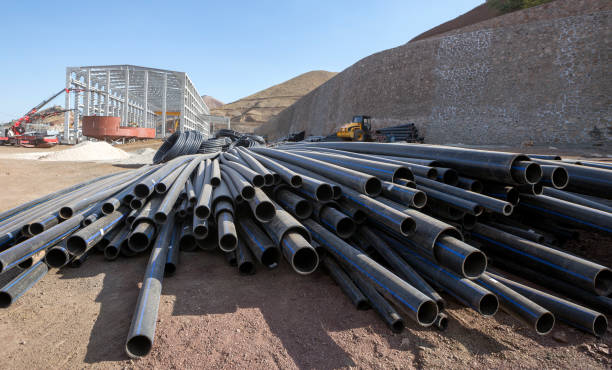
Water is the lifeline of any farm. Without a consistent and reliable water supply, crops cannot thrive, and yields will suffer. That is why irrigation HDPE pipe has become an essential component in modern agriculture. It ensures that water reaches crops efficiently, reduces wastage, and supports sustainable farming practices. From small vegetable gardens to large commercial farms, HDPE pipes make irrigation systems more durable, flexible, and easy to manage. Farmers now rely on this type of piping to improve water distribution, save labor, and extend the lifespan of their irrigation networks. Whether you are upgrading an old irrigation system or installing a new one, HDPE pipes provide reliable performance in a variety of agricultural applications.
Frequently Asked Questions
1. Why is HDPE pipe preferred for agricultural irrigation over PVC or metal pipes?
HDPE pipe offers flexibility, durability, and resistance to corrosion. Unlike metal, it does not rust. Unlike PVC, it can bend without cracking. These features reduce installation challenges and minimize leaks.
2. How long can irrigation HDPE pipe last on a farm?
When installed properly, HDPE pipe can last 25 to It depends on the actual situation. depending on environmental conditions such as soil type, exposure to sunlight, and water quality. Its longevity makes it a cost-effective investment.
3. Can HDPE pipes handle high water pressure?
Yes, HDPE pipes come with various pressure ratings suitable for low-pressure drip systems or high-pressure sprinkler systems. They maintain integrity under significant water pressure, ensuring reliable performance.
4. Is HDPE pipe safe for crops and livestock?
Absolutely. HDPE is non-toxic, chemically stable, and safe for irrigation water used on edible crops or for livestock drinking water. It does not leach harmful substances.
5. Is installing HDPE pipe complicated?
Installation is easier compared to rigid pipes. Its lightweight design allows workers to handle long lengths without heavy machinery. Flexible bends reduce the need for fittings, simplifying the process even on uneven terrain.
Definition and Characteristics of Irrigation HDPE Pipe
Irrigation HDPE pipe is a high-density polyethylene piping system designed for water delivery in agricultural and horticultural applications. It is made from a strong, flexible polymer that resists cracking, punctures, and chemical exposure.
Some key characteristics of irrigation HDPE pipe include:
- Durability: Resistant to corrosion, abrasion, and chemical attacks from fertilizers or pesticides.
- Flexibility: Can bend naturally around obstacles, reducing the need for extra fittings.
- Smooth Interior Surface: Minimizes friction loss and ensures uniform water distribution.
- UV Resistance: Can be exposed to sunlight for long periods without degrading.
- Leak Prevention: Strong fusion or mechanical joints minimize water wastage.
Its lightweight and flexible nature make HDPE pipe easy to handle and install, especially in large farm fields where long runs of pipe are necessary. These characteristics collectively make it a preferred choice for modern irrigation systems.
Common Uses and Industries
Irrigation HDPE pipe is versatile and finds applications across various agricultural and horticultural industries. Some of the common uses include:
- Field Irrigation: Delivering water from main supply lines to crops efficiently across large fields.
- Greenhouses: Flexible piping allows precise water distribution to plants in controlled environments.
- Drip Irrigation Systems: Ensures even water supply at low pressure, ideal for vegetable, fruit, and flower crops.
- Sprinkler Systems: Suitable for higher pressure applications, delivering water evenly to large areas.
- Livestock Watering: Safe and durable pipes for providing drinking water to animals.
- Landscape Irrigation: Used in parks, golf courses, and decorative gardens due to flexibility and reliability.
Because of its durability and flexibility, irrigation HDPE pipe is also used in water transport for small ponds, reservoirs, and other water management projects on farms. Its adaptability makes it suitable for both small and large-scale agricultural operations.
Buying Guide: How to Choose the Right HDPE Pipe
When selecting irrigation HDPE pipe, several factors should be considered:
- Material Quality: Look for high-density polyethylene that meets international quality standards. Good HDPE resists chemicals, UV light, and physical damage.
- Pipe Diameter and Wall Thickness: Choose based on water flow requirements. Larger farms or higher water demand need wider pipes; smaller plots can use narrower sizes.
- Pressure Rating: Ensure the pipe can handle your system’s operating pressure.
- Color: Black HDPE pipe often contains carbon black, which enhances UV resistance and extends lifespan.
- Certifications: ISO or NSF certified pipes have passed quality tests and are safer for long-term use.
- Fittings and Accessories: Availability of compatible connectors, valves, and joints is essential for smooth installation.
By checking these factors, farmers can ensure they invest in pipes that will last, reduce water loss, and simplify system maintenance.
Installation Considerations
Installing HDPE pipe requires proper preparation and care to maximize its lifespan:
- Site Preparation: Clear the route of sharp rocks and debris, level the ground as much as possible.
- Cutting: Use proper pipe cutters to ensure smooth edges. Avoid jagged cuts that may weaken the pipe.
- Connecting: Use heat fusion or recommended mechanical fittings for leak-proof joints. Ensure connections are clean and secure.
- Bending: Follow the manufacturer’s recommended bend radius. Avoid sharp bends that could stress the pipe.
- Trenching: If burying the pipe, make the trench deep enough to protect it from machinery or animals.
- Flushing and Testing: Flush the system to remove debris before use, and test the system under pressure to ensure all joints are secure.
Following these installation steps ensures the HDPE pipe performs efficiently for decades, delivering water consistently to crops.
HDPE Pipe vs Other Materials
When considering HDPE pipe compared to PVC or metal pipes, several key differences emerge:
| Feature | HDPE Pipe | PVC Pipe | Metal Pipe |
|---|---|---|---|
| Flexibility | High, can bend easily | Low, rigid, requires fittings | Low, rigid |
| Durability | 25–It depends on the actual situation. | 20–30 years | 15–25 years, prone to rust |
| Chemical Resistance | Excellent | Moderate | Low, corrodes easily |
| UV Resistance | High | Low, degrades in sunlight | High, may heat up |
| Installation Ease | Easy, lightweight | Moderate, rigid | Difficult, heavy |
| Maintenance | Low | Moderate | High, requires anti-corrosion care |
From this comparison, HDPE pipe stands out for irrigation because it combines flexibility, long lifespan, and low maintenance, making it ideal for modern farms.
Conclusion
Irrigation HDPE pipe plays a crucial role in modern agriculture by providing reliable, flexible, and long-lasting water delivery. Its resistance to UV, chemicals, and pressure ensures that water reaches crops efficiently while reducing wastage and maintenance costs. For farmers upgrading irrigation systems or building new ones, HDPE pipe offers a cost-effective solution that can perform for decades.
For those looking to purchase quality HDPE pipes, Garber Hardware offers a variety of irrigation solutions suitable for farms of all sizes. You can find them at 710 Greenwich St (at Charles St), New York, NY 10014. With the right HDPE pipe and proper installation, farmers can ensure consistent water supply, healthier crops, and more efficient farming operations.
IFAN’s international standards
IFAN follows multiple internationally recognized standards to ensure the quality, safety, and compatibility of its HDPE water supply pipes. These include ASTM D3035, ASTM D3350, ISO 4427 Series standards, EN 12201 Series standards, DIN 8074/8075, GB/T 13663 Series standards, AS/NZS 4130, JIS K6760, BS 6572, and CSA B137.1. By adhering to these global benchmarks, IFAN guarantees that its products meet diverse regional requirements and perform reliably in various environmental and industrial applications.
Connect
IFAN, a Chinese manufacturer with 30 years of experience, specializes in high-quality plastic pipes, fittings, and valves. Interested in IFAN’s copper fittings, copper valves, plastic pipes, or fittings? Contact us today. IFAN offers a wide range of standard pipes tailored to your needs. Explore our affordable, cost-effective valve and piping system products.
We respond to emails or faxes within 24 hours. For immediate assistance, call us anytime with questions about our products.
For more information,pls visit our webside https://www.waterpipefactory.com/
Pls Mailto: [email protected]
Whatsapp: + 86 19857948982