
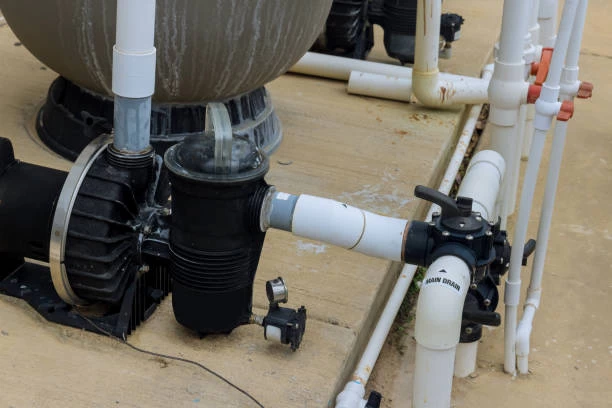
The price of 2-inch HDPE (High-Density Polyethylene) pipes has been a subject of significant interest for industries ranging from water distribution to construction and gas supply. As one of the most commonly used pipe sizes, the 2-inch HDPE pipe serves as a critical component in many essential infrastructure systems. Understanding the trends affecting the price of these pipes is crucial for businesses and project managers looking to optimize their budgets and ensure the longevity of their systems. Various factors influence the price of 2-inch HDPE pipes, including market demand, material costs, and technological advancements.
Global Market Demand and Price Trends
Global demand for HDPE pipes has been increasing steadily, driven by rapid urbanization, infrastructure development, and the need for sustainable solutions in various industries. As cities expand, the demand for reliable water and sewage systems rises, significantly contributing to the global demand for HDPE pipes. The price of 2-inch HDPE pipes reflects these shifts in market demand. When infrastructure projects increase, particularly in developing regions, the price of HDPE pipes may experience upward pressure due to the heightened need for reliable, durable pipes.
Moreover, trends such as the adoption of HDPE pipes in the oil and gas industry also impact pricing. As these industries require long-lasting, corrosion-resistant pipes for transporting materials, HDPE’s superior properties make it an increasingly popular choice. This trend, along with the growing need for environmentally friendly materials, helps drive up the price of HDPE pipes, including the 2-inch variety.
Material Costs and Their Impact on HDPE Pipe Pricing
The price of raw materials used to manufacture HDPE pipes plays a significant role in shaping the cost of these pipes. Polyethylene, the main material used to make HDPE pipes, is derived from petroleum. Therefore, fluctuations in oil prices directly affect the cost of HDPE pipes. When oil prices rise, the cost of polyethylene increases, and this often leads to higher prices for HDPE pipes. On the other hand, when oil prices fall, the cost of polyethylene may decrease, potentially lowering the price of HDPE pipes.
The global supply chain for polyethylene also influences the price of HDPE pipes. Disruptions in the supply of raw materials, whether due to geopolitical issues, natural disasters, or logistical problems, can result in short-term price increases. Buyers looking to purchase 2-inch HDPE pipes should stay informed about the global market conditions for polyethylene and oil, as these trends can have a significant impact on pricing.
Technological Advancements and Production Efficiencies
In recent years, technological advancements in pipe production have played a role in shaping the price of HDPE pipes. Innovations in extrusion processes, such as the development of more energy-efficient methods, have allowed manufacturers to produce HDPE pipes more efficiently. These advances can reduce manufacturing costs, which may result in a decrease in the price of 2-inch HDPE pipes over time. Additionally, improvements in automation and the use of advanced machinery can help streamline production and reduce labor costs, contributing to lower prices.
However, not all technological advancements lead to lower prices. In some cases, the development of more specialized HDPE pipes with enhanced features, such as greater resistance to chemicals or higher pressure ratings, can result in higher costs. Therefore, while basic 2-inch HDPE pipes may see a price reduction due to production efficiencies, more specialized versions may still experience price increases.
Regional Price Differences and Local Market Dynamics
The price of 2-inch HDPE pipes can vary significantly by region, depending on factors such as local production capacity, transportation costs, and market demand. In regions where there is high local production of HDPE pipes, prices tend to be lower due to reduced shipping and import costs. For instance, areas with robust manufacturing capabilities, such as the Middle East or Southeast Asia, often offer lower prices for HDPE pipes.
Conversely, regions that rely heavily on imports for HDPE pipe supplies may face higher prices due to transportation costs and tariffs. Additionally, in countries with high demand but limited local production, the price of 2-inch HDPE pipes can be higher. Buyers should consider the regional dynamics of the market when purchasing HDPE pipes to ensure they are getting the best possible price.
The Impact of Environmental and Regulatory Factors
As environmental concerns continue to rise, governments around the world are imposing stricter regulations on the manufacturing and use of certain materials, including plastics. These regulations can affect the production and pricing of HDPE pipes. In some cases, governments may offer incentives for using sustainable materials, which can influence the demand for HDPE pipes and potentially reduce their cost. In other cases, stricter regulations regarding the environmental impact of manufacturing processes may increase production costs, which could be reflected in the price of HDPE pipes.
For example, the European Union has introduced various plastic waste regulations that may affect the production of polyethylene products. If HDPE manufacturers are required to implement more environmentally friendly practices, such as using recycled materials, these changes could result in price adjustments for the 2-inch HDPE pipe.
Increasing Focus on Sustainability and Recyclability
Sustainability has become a key focus for the construction and infrastructure industries. HDPE pipes, known for their recyclability and long-lasting durability, are considered an environmentally friendly option compared to other materials like PVC or metal pipes. As more industries and governments push for sustainable practices, the demand for HDPE pipes is likely to grow, contributing to rising prices.
Increased demand for recycled HDPE materials could also influence pricing. While recycled HDPE can be more cost-effective than virgin HDPE, the process of cleaning and processing recycled materials adds complexity and costs to the production process. This dynamic may influence the price of 2-inch HDPE pipes as more manufacturers embrace sustainability measures.
Long-Term Price Stability and Future Trends
Looking ahead, the price of 2-inch HDPE pipes is expected to experience more stability in the long term, driven by ongoing advancements in manufacturing technologies, more efficient supply chains, and growing competition in the market. However, fluctuations in raw material prices, geopolitical issues, and global demand shifts will continue to play a role in influencing pricing trends. As the construction and infrastructure sectors increasingly adopt HDPE pipes due to their cost-effectiveness, durability, and environmental benefits, buyers should expect moderate price increases over time, balanced by the long-term value these pipes provide.
IFAN is a brand that offers products that meet a wide range of international standards, ensuring the quality and reliability of every product. Product standard including:ASTM D3035, ASTM D3350, ISO 4427 series, EN 12201 series, DIN 8074/8075, GB/T 13663 series, AS/NZS 4130, JIS K6760, BS 6572, CSA B137.1. IFAN is committed to providing high quality products and excellent service!
Conclusion
The price of 2-inch HDPE pipes is influenced by a variety of factors, ranging from market demand and raw material costs to technological advancements and environmental regulations. As the demand for sustainable infrastructure solutions rises, HDPE pipes are becoming an increasingly popular choice, and their pricing trends reflect these shifts in the market. Buyers who stay informed about these trends can make more strategic purchasing decisions and ensure they are getting the best value for their investments in HDPE piping systems.
Connect
IFAN is a Chinese manufacturer of plastic pipes, fittings and valves with 30 years of experience. If you are interest in IFAN copper fittings, copper valves, plastic pipes and fittings, please contact us. IFAN offers you a variety of standard pipes to meet your specific needs. Click below to learn more about IFAN’s wide range of affordable and cost-effective valve products and piping system related products.
We will reply your email or fax within 24 hours.
You can call us at any time if there is any question on our production.
For more information,pls visit our webside https://www.waterpipefactory.com/
Pls Mailto: [email protected]
Whatsapp: + 86 152 1588 7738