
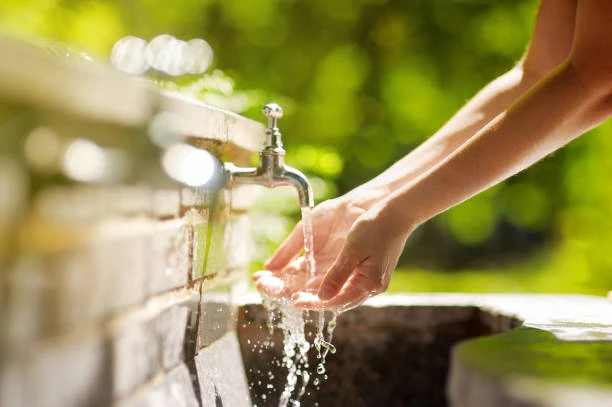
Bib check taps are widely used in plumbing systems to control water flow and prevent backflow. One of the most important aspects of their performance lies in the materials used to manufacture them. The durability, corrosion resistance, and suitability of bib check taps depend greatly on the materials selected. This article explains everything you need to know about bib check tap materials, how they affect performance, and which ones are best suited for specific applications.
In the sections below, you’ll find answers to common questions, a clear definition of bib check taps, an in-depth look at their main features, and the common industries where they’re used. Whether you’re a professional plumber or a curious homeowner, this guide will help you understand why material choice is crucial when choosing or installing a bib check tap.
FAQ About Bib Check Tap Materials
1. What is the most common material used for bib check taps?
Brass is the most common material, known for its excellent corrosion resistance and durability in plumbing applications.
2. Are plastic bib check taps reliable?
Yes, plastic taps made from PVC or polypropylene are reliable for non-pressurized or low-pressure systems and are especially useful in areas with non-corrosive water supply.
3. Can stainless steel be used for bib check taps?
Absolutely. Stainless steel offers high strength, corrosion resistance, and long life, making it ideal for industrial or outdoor applications.
4. Why does the material of a bib check tap matter?
The material affects the tap’s resistance to corrosion, heat, pressure, and wear, all of which impact its lifespan and suitability for specific environments.
5. Is it safe to use brass bib check taps for drinking water?
Yes, but it is important to ensure the brass used is lead-free or complies with drinking water safety standards, especially in regions with strict regulations.
Definition and Key Features of Bib Check Taps
A bib check tap is a type of valve that combines a traditional bib tap with an integrated check valve. The check valve prevents backflow, ensuring that water flows in only one direction. This is especially important in plumbing systems where contamination must be avoided, such as drinking water supplies.
Key features include:
- One-directional flow: Prevents water from flowing backward.
- External outlet: Usually includes a spout or thread for hose connection.
- Manual control: Typically operated by a handle or lever.
- Built-in check valve: Integrated within the body to prevent reverse flow.
- Durable construction: Often used outdoors or in demanding conditions.
These taps are commonly installed on outdoor walls, in garden plumbing, and in public washdown areas where safety and flow control are essential.
Common Materials Used in Bib Check Taps
The material choice plays a major role in how a bib check tap performs in different environments. Let’s examine the most commonly used materials:
1. Brass
Brass is one of the most widely used materials in bib check taps due to its balance of strength, corrosion resistance, and machinability.
Advantages of Brass:
- Resistant to corrosion and scaling.
- Excellent mechanical strength.
- Compatible with high-pressure systems.
- Long lifespan with minimal maintenance.
Limitations:
- Can contain lead if not manufactured to modern standards.
- Heavier than some plastic options.
Brass bib check taps are suitable for both indoor and outdoor use and are especially popular in domestic plumbing.
2. Stainless Steel
Stainless steel taps are used where higher mechanical strength and superior corrosion resistance are needed.
Advantages of Stainless Steel:
- Highly resistant to rust and chemical corrosion.
- Durable in extreme temperatures.
- Aesthetically modern and clean appearance.
- Long service life even in harsh environments.
Limitations:
- More expensive than other materials.
- Heavier, which may impact installation.
Stainless steel is often used in commercial, food-grade, or industrial applications.
3. PVC (Polyvinyl Chloride)
PVC is a lightweight and economical option for non-pressurized systems or where metal corrosion is a concern.
Advantages of PVC:
- Lightweight and easy to install.
- Resistant to many chemicals.
- Non-conductive and corrosion-proof.
- Cost-effective.
Limitations:
- Less durable in high-pressure or hot water applications.
- May crack under heavy impact or UV exposure over time.
PVC taps are commonly used in garden systems, irrigation, and temporary setups.
4. Polypropylene and Other Plastics
Some bib check taps use polypropylene or advanced polymer blends for added chemical resistance.
Advantages:
- Lightweight and easy to handle.
- Suitable for aggressive fluids or chemicals.
- UV-resistant options available.
- Lower cost and minimal maintenance.
Limitations:
- Lower pressure and temperature tolerance.
- Not as strong as metal alternatives.
These materials are common in agricultural and chemical processing environments.
5. Zinc-Alloy
Zinc-alloy taps are typically used in budget-friendly applications where the demand on material strength is lower.
Advantages:
- Low cost.
- Easy to manufacture.
- Can be chrome-plated for aesthetic finish.
Limitations:
- Less corrosion-resistant than brass or stainless steel.
- Shorter lifespan.
Zinc-alloy bib check taps are mostly found in decorative or low-demand installations.
Common Uses and Industries
Bib check taps serve multiple purposes in residential, commercial, and industrial settings. Here’s how material choice aligns with application:
1. Residential Plumbing
- Preferred materials: Brass, lead-free brass, and stainless steel.
- Usage: Outdoor garden taps, wall-mounted washdown points, laundry outlets.
- Reason: These materials provide durability, corrosion resistance, and safety for potable water.
2. Commercial Buildings
- Preferred materials: Stainless steel, brass.
- Usage: Maintenance areas, garages, cleaning stations.
- Reason: Higher durability and appearance standards required.
3. Agricultural Systems
- Preferred materials: PVC, polypropylene.
- Usage: Irrigation systems, animal pens, fertilizer mixing lines.
- Reason: Chemical compatibility and resistance to sediment and corrosion.
4. Industrial Facilities
- Preferred materials: Stainless steel, polypropylene.
- Usage: Water treatment plants, chemical handling, factories.
- Reason: High reliability under pressure and exposure to chemicals.
5. Recreational and Public Installations
- Preferred materials: Brass, stainless steel.
- Usage: Parks, campgrounds, outdoor sinks.
- Reason: Vandal-resistant and low-maintenance materials preferred.
How to Choose the Right Material for Your Bib Check Tap
Selecting the right material involves considering a few key factors:
- Water type: Hard or chlorinated water may damage some materials faster.
- Pressure and temperature: Stainless steel and brass handle higher pressures and temperatures than plastics.
- Chemical exposure: In chemical-heavy environments, plastic materials like polypropylene may last longer.
- Installation environment: Outdoor installations need UV resistance and resistance to freezing and corrosion.
- Budget: Brass and stainless steel offer premium performance but cost more than plastic or zinc alternatives.
Understanding the environment and usage will help you pick the most suitable material and ensure the bib check tap lasts for years without issues.
Summary
The material used in a bib check tap has a direct impact on its performance, durability, and safety. Whether you’re installing taps in a domestic garden, an industrial plant, or a commercial building, selecting the right material is essential. Brass and stainless steel provide long-term reliability for most plumbing systems, while plastic options like PVC offer budget-friendly solutions for lower-stress environments.
Each material has its strengths and limitations, and by matching those to your application, you can avoid failures, reduce maintenance, and ensure safe water flow. As plumbing technology advances, material choices continue to evolve, offering users a wide range of options tailored to every need.
Understanding the role materials play is the first step to making an informed decision when choosing a bib check tap for your project.
IFAN International Standards
To meet global quality demands, IFAN HDPE pipes follow a wide range of international standards, such as ASTM D3035, ISO 4427, EN 12201, and GB/T 13663. These standards define the pipe’s strength, durability, and safety. Moreover, IFAN complies with DIN 8074/8075, AS/NZS 4130, JIS K6760, BS 6572, and CSA B137.1, making their products suitable for water, gas, and industrial systems worldwide. Because IFAN meets all these trusted certifications, users can confidently choose IFAN for reliable performance in any environment.
Contact Us
If you have any questions about cold taps or need help selecting the right model, feel free to reach out to our team. We offer expert advice and support tailored to your industry and application.
IFAN is a Chinese manufacturer of plastic pipes, fittings and valves with 30 years of experience. If you are interest in IFAN copper fittings, copper valves, plastic pipes and fittings, please contact us. IFAN offers you a variety of standard pipes to meet your specific needs. Click below to learn more about IFAN’s wide range of affordable and cost-effective valve products and piping system related products.
We will reply your email or fax within 24 hours.
You can call us at any time if there is any question on our production.
For more information,pls visit our webside https://www.waterpipefactory.com/
Pls Mailto: [email protected]
Whatsapp: + 86 152 1588 7738