
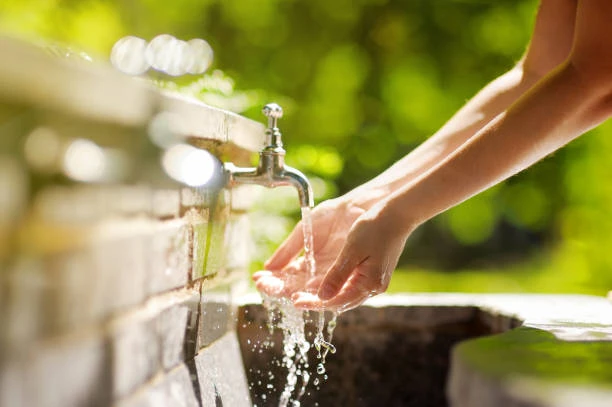
When it comes to modern architecture and building design, functionality must harmonize with aesthetics. One component that bridges this balance effectively is the wall mounted water tap. Whether incorporated into a residential project, commercial development, or public facility, this type of tap enhances both the layout and usability of plumbing systems. Its clean lines and concealed installation make it a favorite among architects, interior designers, and construction professionals. In this article, we explore how wall mounted water taps contribute to architectural plans, their key benefits, common applications, installation tips, and how to choose the right model for your project.
Frequently Asked Questions (FAQ)
1. Why are wall mounted water taps popular in modern architecture?
They allow for minimalist design, save space, and create a cleaner, more integrated appearance in bathrooms, kitchens, and public areas.
2. Do wall mounted taps require special construction planning?
Yes. They need embedded plumbing during the construction phase, so coordination between the architect, builder, and plumber is essential.
3. Are they suitable for commercial buildings and high-traffic areas?
Absolutely. Wall mounted taps are ideal for commercial restrooms, hospitals, and kitchens due to their hygiene benefits and easy-to-clean structure.
4. Can I retrofit a wall mounted tap in an existing structure?
It’s possible but more complex. Retrofitting requires breaking into walls to install the internal plumbing, making it best suited for renovations or new builds.
5. How do wall mounted taps affect the choice of sink or basin?
They allow more freedom in basin design. Countertop, vessel, and wall-hung sinks all work well since the tap doesn’t need to be mounted on the fixture.
Definition and Key Features
A wall mounted water tap is a type of faucet fixed directly to a vertical surface, with all plumbing connections hidden inside the wall. Unlike traditional deck-mounted taps, it eliminates clutter on countertops and allows more flexible sink placement.
Key Features:
- Concealed Installation: All plumbing and mounting parts are hidden, enhancing the visual appeal of walls and surfaces.
- Space Efficiency: Frees up surface area on vanities and countertops, essential for compact or luxury bathroom designs.
- Modern Aesthetic: Complements contemporary architectural themes with sleek lines and minimalist form.
- Versatile Height Options: Can be mounted at custom heights depending on user comfort and basin size.
- Multiple Design Variants: Available in single-handle, dual-handle, or motion sensor models.
These features make wall mounted taps especially attractive in buildings where style and sanitation are both top priorities.
Common Uses and Industry Applications
Wall mounted taps are versatile and well-suited to a wide range of construction projects. Their functional and visual advantages make them a reliable choice across various sectors.
Residential Construction
- Luxury Homes: Ideal for master bathrooms and designer kitchens where clean surfaces and aesthetics are valued.
- Small Apartments: Helps save counter space while maintaining full functionality.
- Multi-Family Buildings: Used in modern bathrooms to add value and reduce cleaning efforts.
Commercial Buildings
- Hotels and Resorts: Adds elegance and maintains cleanliness in guest bathrooms and spa areas.
- Restaurants and Cafés: Installed in prep areas and handwashing stations for hygiene and ease of cleaning.
- Retail Spaces: Fits into staff restrooms or public wash basins where durability and design are important.
Institutional and Public Projects
- Hospitals and Clinics: Reduces contact surfaces and is easy to clean, ideal for sterile environments.
- Schools and Universities: Provides safe, tamper-resistant solutions in student bathrooms.
- Airports and Stations: Withstand heavy use and offer streamlined aesthetics for high-traffic areas.
In all these settings, wall mounted taps contribute to functional layouts while supporting clean and professional design outcomes.
Buying Guide: Selecting the Right Wall Mounted Water Tap for Your Building
When integrating wall mounted taps into a construction project, it’s crucial to choose the right product. A good selection enhances both building performance and long-term user satisfaction.
1. Material Matters
- Brass: Strong, corrosion-resistant, and ideal for both residential and commercial projects.
- Stainless Steel: Highly hygienic and durable, perfect for medical or food-service environments.
- Zinc Alloy: Economical but best suited for low-use or decorative applications.
2. Finish and Color
Choose a finish that matches your interior design while being easy to maintain:
- Chrome: Bright, reflective, and widely used in modern construction.
- Matte Black: Trendy and fingerprint-resistant.
- Brushed Nickel: Subtle and less prone to watermarks.
3. Pipe and Valve Compatibility
Make sure the tap is compatible with common in-wall plumbing materials such as:
- Copper
- PEX
- PPR
Also, select taps with ceramic disc cartridges, which last longer and require less maintenance.
4. Certifications and Standards
Always check for quality certifications such as:
- ISO 9001 for quality management
- CE Mark for European compliance
- NSF/ANSI for drinking water safety (especially in public buildings)
These standards assure builders, architects, and clients that the tap will perform reliably over time.
Installation Considerations in Building Projects
Installation plays a central role in how well wall mounted taps integrate into the overall building layout. Planning should begin early in the construction phase to avoid complications later.
Design Coordination
- Involve Architects Early: The tap’s position must align with the basin and plumbing routes. In commercial designs, spacing and height must follow accessibility standards.
- Align Plumbing Rough-In: Position the pipes inside the wall to match the tap’s inlet spacing—usually 150mm between hot and cold inlets.
Structural Wall Support
- Use proper mounting brackets or wall blocks to reinforce the tap’s position.
- Avoid drywall-only mounting unless supported by a wooden or concrete base.
Waterproofing and Wall Finish
- Apply a moisture-resistant barrier behind tile or plaster surfaces.
- Use sealing gaskets or silicone to prevent water from seeping behind the wall plate.
Testing and Commissioning
- Pressure-test the system before sealing the wall.
- Check alignment carefully, as misalignment can affect function and appearance.
These steps help ensure that the tap not only looks good but also functions efficiently without future repairs.
Comparison with Other Tap Types
To better understand the role of wall mounted taps in construction, here’s a comparison with other tap categories often used in buildings:
| Feature | Wall Mounted Tap | Deck Mounted Tap | Countertop Tap |
|---|---|---|---|
| Mounting Location | Wall | Sink or countertop | Above-counter basin |
| Pipe Routing | Inside the wall | Under sink or countertop | Requires visible connectors |
| Design Integration | Clean and hidden | Standard | Decorative and visible |
| Construction Phase Use | Best during early plumbing | Can be installed later | Mid-to-late stage install |
| Space Efficiency | Excellent | Good | Fair |
| Cleaning Ease | High | Moderate | Low |
| Aesthetic Appeal | Modern and seamless | Practical | Artistic and bold |
For construction professionals seeking streamlined designs with practical performance, wall mounted taps are often the preferred choice.
Final Summary
In today’s construction industry, the wall mounted water tap represents a smart and sophisticated choice for new builds and high-quality renovations. From its space-saving layout to its seamless integration with architectural designs, it offers unmatched benefits in terms of aesthetics, functionality, and hygiene. When planned early and installed with precision, wall mounted taps enhance the value and usability of residential, commercial, and public buildings alike.
By selecting durable materials, coordinating with plumbing layouts, and following building standards, developers and architects can confidently include wall mounted taps in their construction plans for long-term satisfaction and performance.
IFAN International Standards
To meet global quality demands, IFAN HDPE pipes follow a wide range of international standards, such as ASTM D3035, ISO 4427, EN 12201, and GB/T 13663. These standards define the pipe’s strength, durability, and safety. Moreover, IFAN complies with DIN 8074/8075, AS/NZS 4130, JIS K6760, BS 6572, and CSA B137.1, making their products suitable for water, gas, and industrial systems worldwide. Because IFAN meets all these trusted certifications, users can confidently choose IFAN for reliable performance in any environment.
Contact Us
If you have any questions about cold taps or need help selecting the right model, feel free to reach out to our team. We offer expert advice and support tailored to your industry and application.
IFAN is a Chinese manufacturer of plastic pipes, fittings and valves with 30 years of experience. If you are interest in IFAN copper fittings, copper valves, plastic pipes and fittings, please contact us. IFAN offers you a variety of standard pipes to meet your specific needs. Click below to learn more about IFAN’s wide range of affordable and cost-effective valve products and piping system related products.
We will reply your email or fax within 24 hours.
You can call us at any time if there is any question on our production.
For more information,pls visit our webside https://www.waterpipefactory.com/
Pls Mailto: [email protected]
Whatsapp: + 86 152 1588 7738