
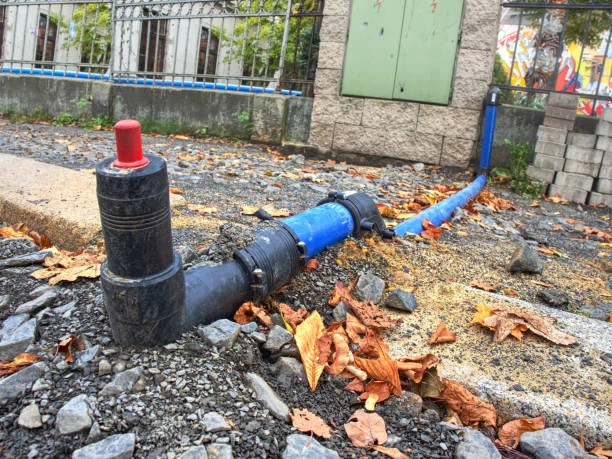
1. Introduction: Overview of High Density Plastic (HDPE)
High Density Plastic, known technically as HDPE (High-Density Polyethylene), is a versatile and widely used thermoplastic material. Its high strength-to-density ratio, chemical resistance, and affordability make it an ideal choice in construction, plumbing, packaging, agriculture, and more. This article provides a complete guide to HDPE materials, answering key questions, explaining features and applications, offering a purchasing and installation guide, and comparing HDPE with other plastic pipe materials. If you are considering high density plastic for your next project, this guide will help you make the right decision.
2. Frequently Asked Questions (FAQs)
1. What is High Density Plastic made of?
High density plastic, or HDPE, is made from petroleum-based thermoplastic polymer called polyethylene, using low-pressure polymerization.
2. Is HDPE safe for drinking water?
Yes, HDPE is approved by regulatory bodies like the FDA and NSF for potable water applications if properly certified.
3. How long does HDPE last?
HDPE can last over It depends on the actual situation. under normal conditions, thanks to its UV, corrosion, and chemical resistance.
4. Can HDPE be recycled?
Absolutely. HDPE is 100% recyclable and is marked as #2 in plastic recycling codes.
5. What’s the difference between HDPE and PVC?
HDPE is more flexible and impact-resistant than PVC, making it better for underground and outdoor applications.
3. Definition and Characteristics of High Density Plastic (HDPE)
HDPE stands for High-Density Polyethylene, a type of polyethylene with a high molecular weight and tightly packed structure. This configuration gives it higher tensile strength and rigidity compared to other forms like LDPE (Low-Density Polyethylene).
Key Characteristics:
- Density range: 0.94 – 0.97 g/cm³
- Tensile strength: Excellent
- Flexibility: Moderate
- UV Resistance: High (when stabilized)
- Chemical Resistance: Excellent against most acids, bases, and organic solvents
- Water Absorption: Extremely low
- Recyclability: Fully recyclable
HDPE products include pipes, sheets, containers, tanks, crates, and many more. Its wide range of forms and grades allows for usage in different industries and climates.
4. Applications and Common Industries Using HDPE
Due to its excellent material properties, high density plastic is commonly used in various sectors:
Construction & Infrastructure:
- Underground water and gas pipelines
- Drainage and sewer systems
- Cable protection ducts
Agriculture:
- Irrigation systems
- Fertilizer distribution
- Greenhouse piping
Packaging Industry:
- Milk bottles, containers, and drums
- Chemical-resistant bottles
- Reusable grocery bags
Marine and Outdoor:
- Floating docks
- Playground equipment
- Fish farming cages
Municipal and Utility:
- Potable water supply lines
- Stormwater management systems
Its chemical resistance and non-leaching properties also make it ideal for food and medical applications when certified accordingly.
5. Buying Guide: How to Choose High Density Plastic Products
When purchasing HDPE materials, you should evaluate several aspects to ensure the right fit for your project:
Material Quality:
- Opt for virgin HDPE or high-grade recycled material depending on usage.
- Check the resin grade (PE80, PE100) for pipes and pressure systems.
Dimensions and Size:
- Select proper wall thickness, diameter, and length based on your system needs.
Color Coding:
- Black: Usually UV-stabilized for outdoor use.
- Blue: Used for potable water applications.
- Yellow or Orange: Gas or telecom pipelines.
Certifications:
- ISO 4427, ISO 14001, CE, NSF, WRAS depending on your region.
- Always request third-party test reports or compliance documentation.
Manufacturer Reputation:
- Reliable manufacturers like IFAN ensure consistency, traceability, and support with installation guidance.
6. Installation Tips for HDPE Pipes and Products
Proper installation ensures optimal performance and a longer lifespan. Here are some recommended steps:
- Cutting: Use pipe cutters or saws to ensure straight, clean cuts.
- Cleaning: Wipe ends clean of debris and moisture before welding or joining.
- Joining Methods:
- Butt Fusion: Common for large diameter HDPE pipes.
- Electrofusion: Ideal for confined spaces and precision installations.
- Compression fittings: Best for low-pressure or temporary setups.
- Trenching: Lay pipes on a flat, compacted base; avoid sharp rocks.
- Backfilling: Use fine soil to protect pipe surfaces.
Allow proper curing time if using solvent-based adhesives (not common for HDPE) and avoid mechanical stress during initial 24–48 hours post-installation.
7. HDPE vs Other Plastic Pipes (Comparison Table)
| Property | HDPE | PVC | PPR | CPVC |
|---|---|---|---|---|
| Flexibility | High | Low | Medium | Low |
| Impact Resistance | Excellent | Fair | Good | Fair |
| UV Resistance | High (stabilized) | Moderate | Low | Moderate |
| Temperature Resistance | -40°C to +60°C | 0°C to +60°C | Up to 95°C | Up to 93°C |
| Food Grade Compatibility | Yes | Conditional | Yes | Conditional |
| Common Usage | Water, gas, drainage | Water, waste | Hot water | Hot water |
| Recyclable | Yes | Limited | Limited | Limited |
HDPE is the go-to material where flexibility, chemical resistance, and durability are required, especially in underground and high-impact scenarios.
8. Conclusion
High density plastic (HDPE) has become an essential material in modern infrastructure, agriculture, packaging, and fluid transportation. Its adaptability, strength, and safety make it a smart investment for long-term performance. From 1-inch pipes for homes to large-scale municipal water systems, HDPE is used globally due to its cost-effectiveness and environmental benefits. Understanding how to choose, install, and maintain HDPE products ensures maximum return on investment and operational reliability.
IFAN International Standard: Global Certifications You Can Trust
When choosing HDPE plastic for industrial or plumbing use, compliance with international standards is essential. IFAN HDPE products meet or exceed the most recognized certifications worldwide, ensuring safety, performance, and compatibility. These include ASTM D3035 and ASTM D3350 (USA), ISO 4427 (global), EN 12201 (Europe), DIN 8074/8075 (Germany), GB/T 13663 (China), AS/NZS 4130 (Australia/New Zealand), JIS K6760 (Japan), BS 6572 (UK), and CSA B137.1 (Canada). Whether you’re building a water supply system or manufacturing components, IFAN ensures you receive products that meet the highest global standards.
Connect
IFAN is a Chinese manufacturer of plastic pipes, fittings and valves with 30 years of experience. If you are interest in IFAN copper fittings, copper valves, plastic pipes and fittings, please contact us. IFAN offers you a variety of standard pipes to meet your specific needs. Click below to learn more about IFAN’s wide range of affordable and cost-effective valve products and piping system related products.
We will reply your email or fax within 24 hours.
You can call us at any time if there is any question on our production.
For more information,pls visit our webside https://www.waterpipefactory.com/
Pls Mailto: [email protected]
Whatsapp: + 86 152 1588 7738