
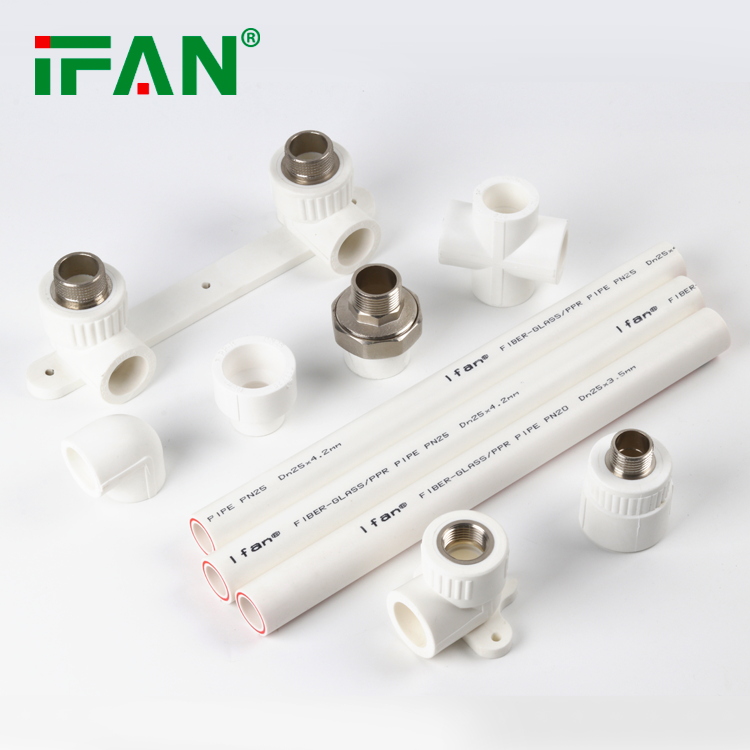
What is the disadvantage of PPR pipe? PPR pipes are a popular choice for plumbing systems due to their durability, resistance to chemicals, and high-temperature performance. However, PPR pipes also have some disadvantages that homeowners and contractors should consider before installation.
One significant disadvantage of PPR pipes is their relatively high cost compared to other plastic piping materials. Although PPR pipes are generally less expensive than copper pipes, they can be more expensive than other plastic piping options such as PVC and PEX. This cost difference may make PPR pipes less desirable for budget-conscious homeowners and contractors.
What is the disadvantage of PPR pipe? Another disadvantage of PPR pipes is that they are not yet widely available as other piping materials. This limited availability can make it challenging to find suppliers and qualified installers, which can lead to higher installation costs and longer wait times.
PPR pipes are also susceptible to damage from UV light. They can become brittle and break down over time when exposed to direct sunlight or other sources of UV radiation. This can limit their use in outdoor applications, and they may require additional insulation or protective coverings to prevent damage.
Finally, PPR pipes may not be suitable for all types of plumbing applications. While they are well-suit for hot and cold water systems, they may not suitable for certain chemicals or gases. Consulting with a professional plumber .And piping system supplier is essential to determine if PPR pipes are appropriate for a specific application.
In conclusion, while PPR pipes have many advantages that make them a popular choice for plumbing systems, they do have some disadvantages that should be considere. Their high cost, limited availability, susceptibility to UV damage, and limited suitability for certain applications may make them less desirable for some homeowners and contractors. However, for those who value durability, chemical resistance, and high-temperature performance, PPR pipes may still be the best choice.
Connect
IFAN is a Chinese manufacturer of plastic pipes, fittings and valves with 30 years of experience. If you are interest in IFAN copper fittings, copper valves, plastic pipes and fittings, please contact us. IFAN offers you a variety of standard pipes to meet your specific needs. Click below to learn more about IFAN’s wide range of affordable and cost-effective valve products and piping system related products.
We will reply your email or fax within 24 hours.
You can call us at any time if there is any question on our production.
For more information,pls visit our webside https://www.waterpipefactory.com/
Pls Mailto: [email protected]
Whatsapp: + 86 152 1588 7738
What are the risks associated with the heat fusion process used for installingPPR pipes?
Heat fusion is a common method used for joining PPR (Polypropylene Random Copolymer) pipes and fittings. While effective, this process does come with several risks that are important to understand.
Safety Concerns
- Hazardous Conditions: The heat fusion process involves melting parts to create a bond, which can be dangerous. High temperatures and specialized equipment pose safety risks to the installers.
- Injury Risk: Mishandling during the fusion process can result in burns or other injuries to workers, requiring careful attention to safety protocols.
Operational Challenges
- Time-Consuming: Heat fusion is not a quick process. It requires precise execution and a lot of time, impacting overall installation efficiency.
Long-term Mechanical Issues
- Internal Beading: The melting and bonding can result in internal beading within the pipes. These beads can disrupt water flow, potentially causing pressure drops and higher maintenance costs.
- Durability Concerns: The bonds created through heat fusion, while initially strong, may weaken over time under continuous use and pressure, leading to leaks or failures.
Financial Implications
- Increased Costs: Due to the potential for mechanical failures and the lengthy installation time, the overall cost for clients can increase significantly. Periodic maintenance might also be necessary, adding to the lifetime expense.
By understanding these risks, you can make informed decisions about the materials and methods used in plumbing systems, possibly exploring alternative piping solutions that mitigate these issues.
What impact does chlorine have on PPR plumbing systems?
Chlorine, a common disinfectant in water distribution systems, can significantly affect PPR (Polypropylene Random Copolymer) plumbing over time. Its presence, along with chlorine dioxide, leads to gradual erosion of the pipe material.
Effects on Pipe Integrity
- Material Degradation: Continuous exposure to chlorine weakens the structural integrity of PPR pipes. This erosion process can be slow but persistent, manifesting over time as the inner layers of the pipes deteriorate.
- Joint Weakness: The areas where pipes connect, especially joints, are particularly vulnerable. These points bear the brunt of the material’s weakening, increasing the likelihood of leaks or failures.
Longevity and Performance
As the chlorine steadily corrodes the pipes, the long-term durability of the system is compromised. This degradation can lead to higher maintenance costs and potential water supply issues, emphasizing the need for careful selection of materials and monitoring in chlorine-rich environments.
What mechanical and financial issues can arise from the internal beading inPPR pipes?
Potential Mechanical and Financial Issues from Internal Beading in PPR Pipes
Mechanical Challenges
- Flow Restriction: Internal beading can lead to a reduced diameter within the pipe. This constriction may cause decreased flow rates and increased pressure, ultimately affecting efficiency.
- Increased Friction: The beading contributes to turbulence in the water flow, which not only lowers efficiency but also accelerates wear and tear on the pipe infrastructure.
- Blockages and Clogs: Over time, the beaded areas can become prime spots for debris to accumulate, potentially causing blockages that require frequent maintenance.
Financial Implications
- Maintenance and Repairs: When blockages or leaks occur, regular maintenance or repair work is necessary, increasing operational costs for users.
- Higher Energy Costs: Due to the increased friction and pressure, more energy is required to maintain the same level of flow, leading to increased energy expenses.
- Reduced Lifespan: The ongoing stress and wear on the pipes can significantly reduce their lifespan, necessitating more frequent replacements and additional capital expenditure.
By understanding these potential problems, stakeholders can better assess the long-term cost-effectiveness and reliability of using PPR piping systems.
Why might CPvc be considered a safer and more efficient choice for plumbingsystems compared to PPR?
Why Choose CPVC Over PPR for Plumbing Systems?
When evaluating plumbing materials, CPVC stands out as a safer and more efficient option compared to PPR. Here’s why:
Enhanced Strength and Durability
CPVC boasts superior strength and durability, allowing it to withstand higher pressure environments. This advantage enables the use of smaller pipes, which is particularly beneficial in tight or difficult-to-access spaces.
Simplified Installation Process
Installing CPVC is straightforward. Unlike PPR, which relies on heat fusion—a process that can be cumbersome and hazardous—CPVC can be installed by a single person using basic hand tools. Solvent cement welding, used for CPVC, avoids the need for electricity or heat, reducing risk and simplifying the setup.
Protection Against Chlorine-Induced Erosion
One of CPVC‘s key advantages is its resistance to problems posed by chlorine. While PPR pipes are gradually weakened by chlorine and chlorine dioxide found in water supplies, CPVC‘s chlorinated structure at a molecular level remains unaffected, ensuring longevity and reliability.
Reduced Microbial Risks
CPVC’s naturally smooth surface inhibits microbial growth, reducing the chances of biofilm development. In contrast, the textured surface of PPR pipes with internal beading can harbor harmful bacteria and increase the likelihood of contamination, posing health risks such as Legionella.
By choosing CPVC, you’re opting for a plumbing system that not only offers increased safety but also excels in efficiency and longevity, meeting the demands of modern water distribution systems with ease.
How does the surface texture of PPR pipes affect bacterial growth compared to CPVC pipes?
How Surface Texture Influences Bacterial Growth in PPR and CPVC Pipes
The texture of a pipe’s surface plays a significant role in determining bacterial growth. CPVC pipes, known for their smooth interiors, help limit microbial development. This smoothness creates a less inviting environment for bacteria to cling to and multiply.
On the other hand, PPR pipes often feature a rougher surface due to internal beading. This textured surface can encourage the formation of biofilms, which are layers of bacteria that adhere to surfaces. Biofilms can accelerate microbial growth to hazardous levels, raising concerns about contaminants like legionella bacteria.
In summary, the smooth surface of CPVC pipes reduces the risk of bacterial proliferation, while the rough texture of PPR pipes may promote it.
How does CPVC’s resistance to chlorine compare to that of PPR pipes?
Comparing the Installation of PPR and CPVC Pipes
When it comes to installing PPR (Polypropylene Random Copolymer) pipes, the process often involves heat fusion. This technique requires specialized equipment that is not only expensive but also heavy and cumbersome. The setup associated with heat welding can create a hazardous environment for installers, potentially leading to safety risks.
On the other hand, installing CPVC (Chlorinated Polyvinyl Chloride) pipes is a straightforward process. A single installer can accomplish the task using simple hand tools. This method relies on solvent cement welding, a technique that eliminates the need for heat or electricity. It is a safe and efficient approach that ensures a durable and stable connection between pipes and fittings.
Key Takeaways:
- PPR Pipes:
- Requires heat fusion.
- Involves costly and heavy equipment.
- Poses safety risks during installation.
- CPVC Pipes:
- Installed with basic tools.
- Utilizes solvent cement for bonding.
- Safer and quicker installation process.
The clear advantage of CPVC lies in its simplicity and safety, making it a preferable option for many installers.
What are the hidden costs associated with using PPR plumbing pipes?
PPR pipes are a popular choice for plumbing systems due to their durability, resistance to chemicals, and high-temperature performance. However, PPR pipes also have some disadvantages that homeowners and contractors should consider before installation.
Cost and Availability
One significant disadvantage of PPR pipes is their relatively high cost compared to other plastic piping materials. Although PPR pipes are generally less expensive than copper pipes, they can be more expensive than other plastic piping options such as PVC and PEX. This cost difference may make PPR pipes less desirable for budget-conscious homeowners and contractors.
Furthermore, PPR pipes are not as widely available as other piping materials. This limited availability can make it challenging to find suppliers and qualified installers, potentially leading to higher installation costs and longer wait times.
Installation and Safety Concerns
Beyond cost and availability, the actual process of installing PPR pipes using heat fusion is time-consuming and potentially dangerous. The necessary heat welding equipment is heavy and costly, creating a potentially hazardous working environment. This not only raises immediate installation costs but also increases risks for installers, which might translate into higher insurance premiums or liability concerns.
Long-Term Performance Issues
PPR pipes are susceptible to damage from UV light. They can become brittle and break down over time when exposed to direct sunlight or other sources of UV radiation. This limitation can affect their use in outdoor applications, necessitating additional insulation or protective coverings to prevent damage.
Additionally, one of the significant risks to PPR plumbing is chemical erosion caused by chlorine and chlorine dioxide. The constant presence of chlorine in water distribution systems can wear away at the pipe material, weakening joints over time. This deterioration can lead to costly maintenance and repairs.
Health and Safety Risks
The textured surface of PPR pipes, particularly those with internal beading, may facilitate biofilm growth, potentially elevating health risks such as legionella bacteria in the water supply. This biofilm growth necessitates regular cleaning and treatment, adding to the hidden costs of maintaining a PPR pipe system.
Suitability for Applications
Finally, while PPR pipes are well-suited for hot and cold water systems, they may not be appropriate for transporting certain chemicals or gases. Consulting with a professional plumber and piping system supplier is essential to determine if PPR pipes are suitable for a specific application.
By understanding these hidden costs and potential drawbacks, homeowners and contractors can make more informed decisions when considering PPR pipes for their plumbing needs.