
High-Density Polyethylene (HDPE) plastic has become one of the most trusted materials in modern manufacturing. But what exactly makes it so popular? Whether you’re curious about how things are made or you’re looking to choose the right material for your project, this guide will walk you through everything you need to know about HDPE plastic—without the technical jargon.
1. What Is HDPE Plastic, and Why Should You Care?
HDPE stands for High-Density Polyethylene. It’s a type of thermoplastic made from petroleum. You’ve probably come across it without realizing—milk jugs, shampoo bottles, cutting boards, and even underground pipes are often made from HDPE.
Unlike many plastics, HDPE is known for being strong, durable, and lightweight. It resists moisture, chemicals, and impact, which makes it useful in many industries. From packaging to plumbing, HDPE is all around us.
So why should you care? Because whether you’re involved in construction, DIY projects, or product development, understanding HDPE can help you make smarter, more cost-effective decisions.
2. Strong but Light: The Perfect Balance
Many materials force you to choose between strength and weight. Steel is strong but heavy. Styrofoam is light but weak. HDPE, however, offers the best of both worlds.
For example:
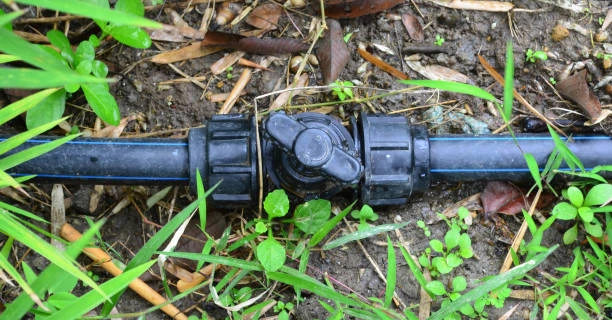
An HDPE pipe can withstand extreme pressure while still being easy to carry and install. This makes it ideal for industries like agriculture, irrigation, and infrastructure.
In short, you get maximum strength without the bulk.
3. Easy to Work With and Mold
Another reason manufacturers love HDPE is that it’s easy to shape. Through injection molding, it can be turned into complex parts with smooth finishes and tight tolerances.
This means companies can produce everything from industrial containers to custom automotive parts with minimal waste and high efficiency.
Moreover, HDPE doesn’t require special tools for cutting or machining. That saves both time and money, which are critical in large-scale production.
4. Resistant to Chemicals and Moisture
Let’s say you’re storing chemicals, or you’re designing a product that needs to handle water exposure. HDPE is your friend.
It naturally resists acids, alcohols, and bases, and it doesn’t absorb water. That’s why it’s a favorite for:
- Water tanks
- Chemical storage containers
- Underground piping systems
Unlike metal, it won’t rust. And unlike wood, it won’t rot. HDPE stays tough in tough environments.
5. Safe for Food and Health Products
One of HDPE’s most important benefits is that it’s food-safe. It doesn’t leach harmful chemicals and is approved by the FDA for use with food and beverages.
Think of:
- Milk bottles
- Juice containers
- Food storage bins
It’s also used in medical devices and pharmaceutical packaging, where safety and purity are essential.
Clearly, HDPE isn’t just strong—it’s safe, too.
6. Recyclable and Eco-Friendly
If you’re concerned about the environment, HDPE is a better plastic choice.
It’s 100% recyclable, and many HDPE products are made from recycled materials. When recycled, HDPE can be turned into:
- Park benches
- Traffic cones
- New bottles and containers
Not only does this reduce waste, but it also lowers production costs. So businesses and the planet both win.
Additionally, its long lifespan means fewer replacements, which means less waste overall.
7. Available in Many Forms and Sizes
HDPE isn’t a one-size-fits-all solution. It comes in a variety of forms to meet different needs:
- Sheets for cutting boards and wall panels
- Pipes for plumbing and irrigation
- Rods and bars for machining
- Pellets for injection molding
Whether you’re a DIY hobbyist or a professional engineer, you can find HDPE in the right shape and size for your project.
Flexibility like this makes HDPE one of the most versatile plastics in the world.
8. Cost-Effective and Long-Lasting
Durability and cost savings often don’t go hand in hand. But HDPE breaks that rule.
It can last for decades without breaking down or losing strength. That long life translates to lower maintenance and fewer replacements.
For example, underground HDPE piping systems often last over It depends on the actual situation. without major repairs.
Compare that to:
- PVC, which may crack over time
- Metal, which may corrode
- Wood, which may swell or decay
HDPE provides long-term value—especially when purchased from trusted HDPE suppliers who offer quality assurance.
9. Black HDPE: Special Features and Benefits
You may have heard of black HDPE, which is especially common in outdoor or industrial use.
What makes it different?
Black HDPE usually contains carbon black, a pigment that helps block UV rays. This means it’s:
- More UV-resistant
- More suitable for outdoor applications
- Longer-lasting under sunlight
If you’re building something that will face harsh weather, black HDPE is an excellent choice.
10. Where to Buy HDPE Plastic at the Best Price
Looking for HDPE for sale? It’s important to choose the right source. The best HDPE suppliers offer:
- High-quality materials
- Competitive prices
- Custom sizing options
- Fast delivery
Prices can vary depending on the grade, thickness, and quantity. For example, ¾” HDPE sheets or pipes are very popular for medium-duty applications and often strike the perfect balance between price and performance.
When buying HDPE, consider your needs carefully—and don’t sacrifice quality for short-term savings.
Conclusion: HDPE Is a Modern Manufacturing Hero
To sum it up, HDPE plastic checks every box:
✅ Strong but lightweight
✅ Chemically resistant
✅ Safe for food and medicine
✅ Easy to shape and machine
✅ Recyclable and eco-friendly
✅ Cost-effective and long-lasting
With these benefits, it’s no surprise that HDPE is found in everything from packaging and plumbing to construction and consumer goods.
If you’re planning your next manufacturing project, HDPE is a smart, safe, and sustainable choice.
Bonus Tips for SEO and Product Pages (If You’re Selling HDPE):
- Include the keyword “HDPE Plastic” in the page title and first paragraph
- Use related terms like “High-Density Polyethylene”, “HDPE Suppliers”, and “Black HDPE”
- Add product dimensions (e.g., ¾ HDPE sheet) and grades
- Link to HDPE product categories and technical data sheets
- Use ALT text on images (e.g., “HDPE injection molded container”)
IFAN International Standard: Global Certifications You Can Trust
When choosing HDPE plastic for industrial or plumbing use, compliance with international standards is essential. IFAN HDPE products meet or exceed the most recognized certifications worldwide, ensuring safety, performance, and compatibility. These include ASTM D3035 and ASTM D3350 (USA), ISO 4427 (global), EN 12201 (Europe), DIN 8074/8075 (Germany), GB/T 13663 (China), AS/NZS 4130 (Australia/New Zealand), JIS K6760 (Japan), BS 6572 (UK), and CSA B137.1 (Canada). Whether you’re building a water supply system or manufacturing components, IFAN ensures you receive products that meet the highest global standards.
Connect
IFAN is a Chinese manufacturer of plastic pipes, fittings and valves with 30 years of experience. If you are interest in IFAN copper fittings, copper valves, plastic pipes and fittings, please contact us. IFAN offers you a variety of standard pipes to meet your specific needs. Click below to learn more about IFAN’s wide range of affordable and cost-effective valve products and piping system related products.
We will reply your email or fax within 24 hours.
You can call us at any time if there is any question on our production.
For more information,pls visit our webside https://www.waterpipefactory.com/
Pls Mailto: [email protected]
Whatsapp: + 86 152 1588 7738