
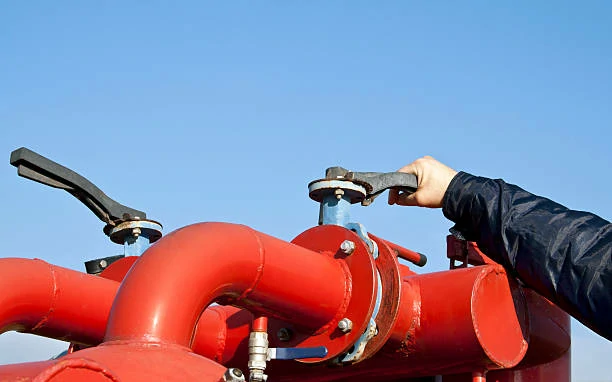
Air valves play a vital role in maintaining the efficiency and safety of water systems. These valves allow for the controlled release and intake of air, helping to prevent issues like airlocks, water hammer, and pipe damage. In water distribution systems, air can accumulate in high points of the pipes, leading to operational problems. Air valves are designed to release trapped air and prevent potential damage. This article explores why air valves are crucial in water systems and how they contribute to system efficiency, longevity, and safety.
Understanding the Function of Air Valves
Air valves are installed at strategic points in water systems to manage the flow of air. They allow air to be released during filling or operational processes, ensuring the system is free of air pockets. These air pockets can cause various issues, such as restricting flow, increasing pressure, or damaging the infrastructure. Air valves automatically open when air accumulates in the pipeline, and they close once the air is expelled, allowing water to flow freely. By controlling the intake and release of air, these valves ensure the system operates at optimal pressure and capacity.
Preventing Airlocks
One of the main functions of air valves is to prevent airlocks. Airlocks occur when air becomes trapped in high points of the system, obstructing the flow of water. This can lead to delays in the system’s operation, reduced efficiency, and even complete system failure. Airlocks prevent water from moving smoothly through the pipes and can cause pressure fluctuations. Air valves ensure that air is continuously released from the system, preventing these airlocks from forming and ensuring that water flow remains uninterrupted.
Minimizing Watstem Efficiency
Air valves help maintain the overall efficiency of water systems by ensuring smooth, uninterrupted flow. When air accumulates in the pipes, it can restrict the flow of water, reducing the system’s capacity and efficiency. This can result in higher energy consumption as the system works harder to move water. Air valves allow for the release of air pockets, enabling water to flow freely and ensuring that the system operates at full capacity. By keeping air out of the system, air valves reduce friction and energy loss, improving the overall performance and efficiency of the water distribution network.
Extending the Lifespan of Infrastructure
By preventing air-related issues such as airlocks and water hammer, air valves contribute to the longevity of the water system. Airlocks and pressure surges can cause significant wear and tear on pipes, joints, and valves. Over time, this damage can lead to costly repairs and replacements. Air valves help reduce these risks by managing air within the system and maintaining steady pressure levels. This proactive approach prevents unnecessary stress on the infrastructure, ultimately extending the life of the water distribution network and reducing maintenance costs.
Improving Safety in Water Systemter Systems
Air valves are used in various types of water systems, including municipal water supplies, irrigation systems, and industrial water distribution networks. In municipal water supplies, air valves are essential for maintaining system pressure and preventing issues in long-distance pipelines. In irrigation systems, they help ensure consistent water flow to crops, preventing damage from airlocks or pressure surges. Air valves are also crucial in industrial systems, where the safe and efficient flow of water is necessary for production processes. By providing reliable air management, air valves support the smooth operation of water systems in multiple applications.
Conclusion
Air valves are essential components in water systems, offering a range of benefits that improve efficiency, safety, and infrastructure longevity. They prevent airlocks, reduce water hammer, and maintain optimal system pressure. By managing air in the system, air valves ensure that water flows smoothly, reducing energy loss and preventing damage to the pipes and valves. These valves also enhance the safety of the system by preventing dangerous pressure fluctuations. Whether in municipal water supplies, irrigation systems, or industrial applications, air valves are crucial for maintaining the proper functioning of water systems.
IFAN Products international standards
IFAN products strictly adhere to a comprehensive range of international standards, encompassing ISO 15874, EN 15874, ASTM F2389, DIN 8077/8078, GB/T 18742, NBR 15884, ISO 15494, EN ISO 15494, GB/T 19472, NBR 15494, ASTM 2846 (501), DIN 8079/8080 (502), ASTM F441/F441M SCH80 (503), DIN (504), DIN (505), GB/T 18993, AS/NZS 1477, CSA B137.6, NSF/ANSI 14, TIS 17-2532/1131-2535, BS 3505, BS 4346 (801), ASTM D1785 SCH40 (802), ASTM D1785 SCH80 (803), DIN (804), GB (805), GB (806), GB(901), DWV(902), ASTM D2665 (903), along with ASTM D2241, D2665, D2729, and F441/F441M series, ISO 1452, EN ISO 1452, DIN 8061/8062, GB/T 10002, AS/NZS 1477, JIS K6741, CSA B137.3, and other national and industry norms.
Connect
IFAN is a Chinese manufacturer of plastic pipes, fittings and valves with 30 years of experience. If you are interest in IFAN copper fittings, copper valves, plastic pipes and fittings, please contact us. IFAN offers you a variety of standard pipes to meet your specific needs. Click below to learn more about IFAN’s wide range of affordable and cost-effective valve products and piping system related products.
We will reply your email or fax within 24 hours.
You can call us at any time if there is any question on our production.
For more information,pls visit our webside https://www.waterpipefactory.com/
Pls Mailto: [email protected]
Whatsapp: + 86 152 1588 7738