
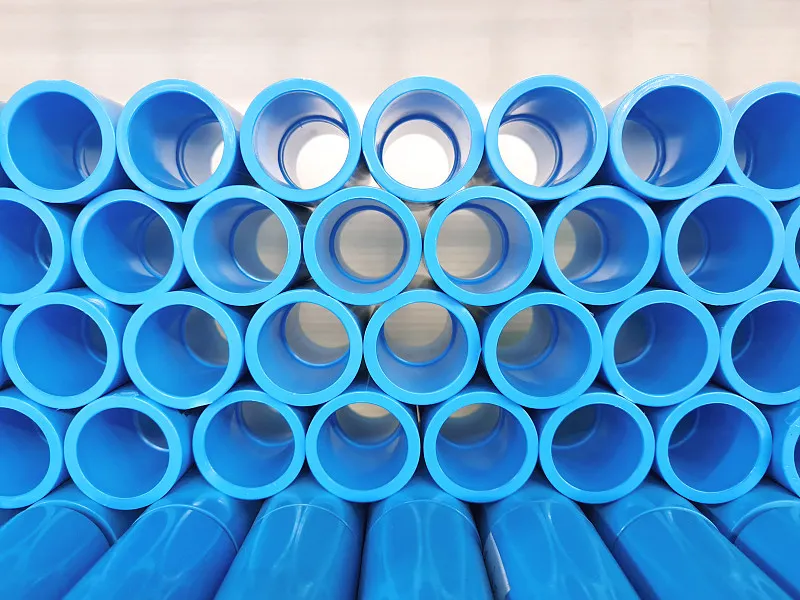
PVC pipes offers notable durability, chemical resistance, low cost, and moldability making it an enormously popular material choice across residential, civil, and industrial piping projects and transportation liquids. SAM-UK hollow design efficiently directs flows using moderate pressure capacities based on formulated grades.IFAN factory with 30+ years of manufacturing experience supports color/size customization support free samples. Welcome to consult for catalog and free samples.
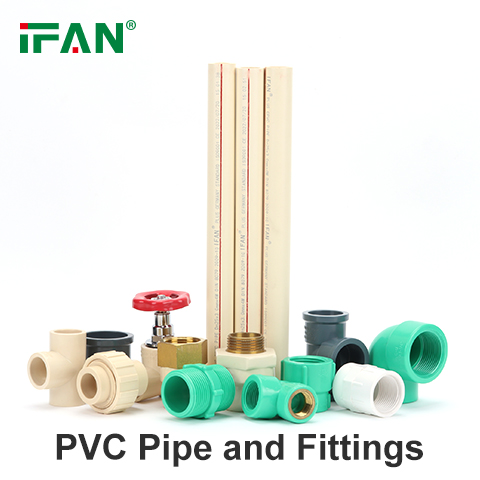
Low-Pressure Fluid Transport
PVC pipes reliably conveys non-volatile fluids in low-pressure municipal and structural networks.
Water Handling It frequently substitutes corrosion-vulnerable iron piping to supply potable water mains and drainage tunnels affordably using fused joints. Overhead installations utilize foamed PVC resistant to UV and oxidation damage for decades outdoors.
Ground Management Landscapers and constructors take advantage of lightweight PVC’s simplicity driving underground passages for irrigation mainlines, conduit access, and sewer relief with minimal effect on surrounding soils.
Specialized Chemical Compatibility
Unique PVC formulations expand chemical media capabilities beyond traditional piping materials through selectivity customization.
Acidic Media PVC withstands remarkably low pH process streams found in advanced electrolytes thanks to vinyl chloride’s very electronegativity. It lasts where stainless steel fails over time, saving facilities like chemical manufacturers and ore processors huge expenses.
Alkaline Media Refineries leverage PVC’s versatility by coating internal walls and adjusting plasticizer balances to safely convey cleaning amines or caustic wastewater too taxing for bare carbon steels vulnerable to corrosion damage.Inert PVC finds additional favor containing methane drainage networks.
Conclusion
PVC pipe enjoys continuously expanding utilization for reliably channeling fluids ranging from purified water to highly reactive chemical intermediates. It pays to evaluate PVC’s extensive property adaptations against piping decision drivers regarding cost, flow volumes. Sustained pressure, fluid makeup, and infrastructure longevity when planning projects.
IFAN
IFAN factory started in 1993. And IFAN has a workshop of 120000 square meters with 610 staff. IFAN can design and produce all plumbing pipe and fitting including PPR, PVC, CPVC PPSU HDPE PEXA PEXB PERT pipe and fitting, brass fitting, brass ball valve, heating system, gas system, sanitary faucets, and hose. In the past 30 years, IFAN has never forgotten his mission-To protect health and safety. The IFAN factory uses the best materials to produce high-quality pipe and fittings with an automatic production line and high-tech quality control machines.
Why is PVC recommended for unheated water delivery?
PVC, or polyvinyl chloride, is a popular choice for unheated water delivery systems due to its unique properties and compliance with safety standards. Here’s why:
Safety and Regulations
These regulations ensure that any water channeled through PVC piping remains uncontaminated.
Durability and Suitability
Known for its longevity, PVC piping can withstand various environmental conditions, making it an ideal choice for long-term water transport.
Material Properties
The inherent characteristics of PVC, including resistance to corrosion and ease of installation, makes it highly suitable for delivering unheated water. These advantages ensure that the system remains low-maintenance over time.
Temperature Limitations
While PVC excels in many ways, it does have a lower temperature threshold compared to some other materials. Thus maintaining the integrity of the pipe system over time.
In essence, the combination of regulatory compliance, material strength.And specific temperature-handling capabilities makes PVC a prudent choice for unheated water applications.
What is PVC and what are its forms?
Polyvinyl Chloride (PVC): A widely used synthetic polymer, PVC stands as a cornerstone in the world of plastics.
What is PVC?
The synthesis of PVC involves a series of chemical reactions, resulting in a durable and reliable material suitable for countless uses
Color and Transparency
PVC’s versatility extends beyond its structure to include color and transparency options. Manufacturers can produce it in a spectrum of colors or opt for a clear, translucent variation, catering to specific aesthetic or functional needs.
In conclusion, PVC’s versatility, durability, and adaptability make it a material of choice across numerous applications, from everyday consumer goods to critical industrial components.
What makes PVC suitable for drain, waste, and vent (DWV) scenarios?
PVC, or polyvinyl chloride, offers several characteristics that make it an excellent choice for drain, waste, and vent (DWV) systems. Unlike traditional metal piping, PVC boasts superior resistance to corrosion. This durability extends the lifespan of PVC pipes in harsh environments where contact with waste materials and chemicals is frequent.
Additionally, PVC pipes are lightweight and easy to install, reducing labor costs and time during plumbing projects. Their smooth interior surface minimizes friction, enhancing the efficient flow of waste materials and reducing the likelihood of blockages.Its cost-effectiveness, ease of maintenance, and long-term reliability make PVC a popular choice for DWV applications.
What are the benefits of using PVc in building air ventilation and siding?
Benefits of Using PVC in Building Air Ventilation and Siding
PVC, short for polyvinyl chloride, has become a popular choice in the construction industry, showing its prowess particularly in air ventilation and siding applications.
Here’s why PVC stands out:
1. Cost-Effectiveness and Efficiency
PVC offers a wallet-friendly alternative to traditional building materials like wood, making it an attractive option for budget-conscious projects. Despite its lower cost, it doesn’t skimp on performance, effectively fulfilling structural needs without breaking the bank.
2. Superb Air Ventilation Capabilities
When it comes to air ventilation systems, PVC pipes take the lead role. These pipes are specifically designed for applications in HVAC, air conditioning, and heating systems, ensuring efficient and reliable airflow. Their design reduces the risk of corrosion and leakage, promoting long-term service and maintenance-free operation.
3. Enhanced Building Insulation
PVC is also heavily utilized in siding, thanks to its excellent insulating properties. It enhances a building’s resistance to temperature changes, keeping interiors comfortable despite external weather fluctuations. This improves energy efficiency, reducing heating and cooling costs.
4. Resistance to Environmental Factors
Another significant advantage of PVC is its resistance to natural adversaries like algae and mold. This makes it an excellent choice for window and door frames, as well as house siding. Its ability to withstand environmental factors helps maintain a clean and durable exterior over many years.
5. Long-Term Durability
PVC is known for its long lifespan, often outlasting the buildings it’s installed in. This durable nature makes it a preferred choice for builders seeking materials that provide long-term solutions without frequent replacements.
In summary, PVC’s blend of cost-effectiveness, efficiency, and durability makes it a top contender for building air ventilation and siding solutions, promising significant benefits that appeal to both builders and homeowners alike.
What are some PVc molded products?
PVC, or polyvinyl chloride, is an incredibly versatile material. Thanks to its thermoplastic nature and ability to be shaped in various ways, it’s used to create a multitude of products that we encounter every day.
Household Essentials
PVC is often molded into common household items that range from practical to decorative. You’ll find it in raincoats and boots, providing waterproof protection with durability. It’s also used for shower curtains, giving a blend of strength and flexibility.
Toys and Models
For children’s toys, PVC offers a safe and moldable solution. Action figures, dolls, and even intricate 3D printed models often begin with this material. Its ability to form detailed shapes makes it ideal for these applications.
Kitchen and Storage Items
In the kitchen, PVC can be found in lightweight and durable utensils as well as containers that safely store food. Additionally, its clarity and formability make it perfect for equipment body casings, adding both protection and design.
Covers and Linings
Beyond individual items, PVC serves as an excellent material for coverings and linings. Whether it’s used to line tables, cover furniture, or protect surfaces, this material provides an effective and economically friendly solution.
In summary, PVC’s adaptability results in an extensive range of products, from practical household items to playful toys and robust storage solutions. Its capacity to be molded into diverse forms makes it indispensable in modern manufacturing.
How is PVC used in coatings and cable insulation?
Polyvinyl chloride, or PVC, is a versatile material widely utilized in the electrical industry, particularly for coatings and cable insulation. Its unique properties, including exceptional thermal and electrical resistance, make it an ideal choice for safeguarding wires and components.
Key Applications:
- Vinyl Coatings: PVC serves as a protective layer for many electrical wires and components. This vinyl coating acts as a barrier against potential hazards, such as human contact, environmental exposure, and the risk of short-circuiting.
- Insulating Sleeves: PVC is often molded into insulating sleeves that encase cables, adding an extra layer of protection. These sleeves help to prevent overheating and mitigate various electrical hazards.
Benefits of PVC in Electrical Insulation:
- Thermal Resistance: PVC’s ability to withstand high temperatures ensures stability and safety in electronic applications.
- Electrical Resistance: The low conductivity of PVC means it effectively minimizes the risk of electrical accidents.
- Durability: With a robust and flexible nature, PVC coatings and insulation can withstand mechanical stress, extending the life of electrical wires and components.
PVC has become a staple in modern electronics, with its use spanning from protective coatings to intricate insulation systems. This versatility and reliability underscore its importance in the safe handling of electricity.
What role does Pvc play in the healthcare industry?
Polyvinyl chloride (PVC) has emerged as a crucial component in the healthcare industry due to its unique properties. Characterized by its inert nature and resistance to corrosion, PVC is a safe and reliable material that does not release toxins, making it essential for various medical applications.
Essential Medical Supplies
PVC is the backbone of many indispensable medical supplies. It manufactures the transparent bags and tubing used in the storage and administration of blood, intravenous (IV) fluids, and medications.
Revolutionizing Medical Practices
The introduction of PVC in these applications has been transformative. It has significantly contributed to the development and efficiency of modern blood banks, enhancing their ability to store and preserve blood for extended periods. Furthermore, PVC products play a key role in surgical and diagnostic procedures, supporting the overall infrastructure of contemporary medical practices.
Enhancing Healthcare Delivery
Its versatility has also enhanced the ability of healthcare professionals—such as doctors and paramedics—to provide timely and effective treatment. The use of PVC-based products allows for advanced medical interventions, ultimately saving thousands of lives annually.
In summation, PVC serves as a fundamental material within the healthcare sector, facilitating critical advancements in medical technology and patient care.
What are the major application areas of PVC?
What are the major application areas of PVC?
Introducing PVC Pipe Attributes
PVC pipes offers notable durability, chemical resistance, low cost, and moldability, making it an enormously popular material choice across residential, civil, and industrial piping projects and transportation liquids.
Low-Pressure Fluid Transport
PVC pipes reliably conveys non-volatile fluids in low-pressure municipal and structural networks.
- Water Handling: It frequently substitutes corrosion-vulnerable iron piping to supply potable water mains and drainage tunnels affordably using fused joints. Overhead installations utilize foamed PVC resistant to UV and oxidation damage for decades outdoors.
- Ground Management: Landscapers and constructors take advantage of lightweight PVC’s simplicity driving underground passages for irrigation mainlines, conduit access, and sewer relief with minimal effect on surrounding soils.
Specialized Chemical Compatibility
Unique PVC formulations expand chemical media capabilities beyond traditional piping materials through selectivity customization.
- Acidic Media: PVC withstands remarkably low pH process streams found in advanced electrolytes thanks to vinyl chloride’s very electronegativity. It lasts where stainless steel fails over time, saving facilities like chemical manufacturers and ore processors huge expenses.
- Alkaline Media: Refineries leverage PVC’s versatility by coating internal walls and adjusting plasticizer balances to safely convey cleaning amines or caustic wastewater too taxing for bare carbon steels vulnerable to corrosion damage.
- Gas Flow Conduits: Inert PVC finds additional favor containing methane drainage networks. It insulates equable temperature zones for consistent energy capture activities around landfills and methane reactors as biogas gets directed towards renewable cogeneration.
Waste Handling and Control
PVC pipes are pivotal in managing waste across residential, commercial, and industrial sectors. Their use in sewer and wastewater systems showcases PVC’s corrosion resistance and flexibility, making it a preferred choice over metal pipes.
Building Infrastructure and Structural Material
The demand for cost-effective building materials has elevated PVC’s role in construction.
Coatings and Cable Insulation
PVC’s excellent thermal and electrical resistance makes it ideal for electrical cable coatings. It protects against environmental exposure, overheating, and electrical short-circuiting, ensuring safety in modern electronics.
Healthcare Applications
In the healthcare industry, PVC’s inert and corrosion-resistant nature is crucial. It’s used in making bags and tubing for blood and IV fluids, supporting life-saving medical practices and modern blood bank operations.
How is Pvc used in water plumbing and pipes?
It frequently substitutes corrosion-vulnerable iron piping to supply potable water mains and drainage tunnels affordably using fused joints. Overhead installations utilize foamed PVC resistant to UV and oxidation damage for decades outdoors.
The production of PVC water pipes is subject to stringent regulations, ensuring safety and reliability. Standards from authorities such as the FDA, ANSI, NSF, and ASTM dictate the acceptable materials and additives for PVC in water handling scenarios. These guidelines help position PVC as a non-toxic, long-term safe option suitable for potable, non-potable, and process water applications.
Compliance with service and plumbing codes is crucial to ensure the appropriate use of PVC for specific water installations, reinforcing its role as a versatile and dependable choice in plumbing solutions.
What chemicals are commonly handled using PVc?
Unique PVC formulations expand chemical media capabilities beyond traditional piping materials through selectivity customization.
Chemical Resistance Advantage
In comparison to metallic or ferrous options, PVC demonstrates exceptional resilience in environments that involve aggressive chemicals. It can handle certain chemicals that metal materials cannot, such as hydrogen-based acids like hydrochloric acid. This is due to the chlorine content of PVC, which offers increased material resistance against chemical attack, degradation, and fire, enhancing its durability and performance in demanding applications.
Acidic Media
PVC excels in withstanding remarkably low pH process streams found in advanced electrolytes. This is thanks to vinyl chloride’s high electronegativity, enabling it to last where stainless steel may fail over time. This resilience saves facilities like chemical manufacturers and ore processors from incurring huge expenses.
Alkaline Media
Refineries leverage PVC’s versatility by coating internal walls and adjusting plasticizer balances to safely convey cleaning amines or caustic wastewater. These substances can be too taxing for bare carbon steels, which are vulnerable to corrosion damage.
By offering superior resistance to a wide range of chemicals, PVC not only outperforms metal materials in specific scenarios but also provides a cost-effective and reliable solution for industries that require robust chemical handling capabilities.
How is PVC utilized in waste handling and control?
Unique PVC formulations expand chemical media capabilities beyond traditional piping materials through selectivity customization.
Chemical Resistance Advantage
In comparison to metallic or ferrous options, PVC demonstrates exceptional resilience in environments that involve aggressive chemicals. It can handle certain chemicals that metal materials cannot, such as hydrogen-based acids like hydrochloric acid. This is due to the chlorine content of PVC, which offers increased material resistance against chemical attack, degradation, and fire, enhancing its durability and performance in demanding applications.
Acidic Media
PVC excels in withstanding remarkably low pH process streams found in advanced electrolytes. This is thanks to vinyl chloride’s high electronegativity, enabling it to last where stainless steel may fail over time. This resilience saves facilities like chemical manufacturers and ore processors from incurring huge expenses.
Alkaline Media
Refineries leverage PVC’s versatility by coating internal walls and adjusting plasticizer balances to safely convey cleaning amines or caustic wastewater. These substances can be too taxing for bare carbon steels, which are vulnerable to corrosion damage.
By offering superior resistance to a wide range of chemicals, PVC not only outperforms metal materials in specific scenarios but also provides a cost-effective and reliable solution for industries that require robust chemical handling capabilities.
How is PVC used in building infrastructure and structural materials?
PVC pipes reliably conveys non-volatile fluids in low-pressure municipal and structural networks.
Water Handling
PVC frequently substitutes corrosion-vulnerable iron piping to supply potable water mains and drainage tunnels affordably using fused joints. Overhead installations utilize foamed PVC resistant to UV and oxidation damage for decades outdoors.
Air Ventilation and HVAC Systems
Beyond water management, PVC plays a crucial role in building infrastructure by supporting air ventilation and exhaust handling. Its adaptability makes it the material of choice for ductwork in HVAC, air conditioning, and heating systems. Specifically engineered PVC or CPVC ducts excel in these applications due to their durability and cost-effectiveness.
Exterior and Structural Applications
Not only does it enhance building insulation, but it also offers resistance against temperature fluctuations and growth of algae and mold. This ensures that vinyl frames and siding maintain their integrity and appearance over the long term.
Ground Management
Landscapers and constructors take advantage of lightweight PVC’s simplicity when driving underground passages for irrigation mainlines, conduit access, and sewer relief with minimal effect on surrounding soils.
Longevity and Cost Efficiency
In terms of long-term suitability, PVC’s service life can often outlast the use of the structures it serves. Its resilience and affordability make it an indispensable choice in modern construction, offering a reliable alternative to traditional materials like wood or iron.
By integrating these versatile applications, PVC continues to be a cornerstone in developing sustainable and efficient infrastructure.