

Introduction to IFAN PPR Pipe Fittings
IFAN PPR pipe fittings are essential components in modern plumbing systems, widely used for hot and cold water supply. Made from Polypropylene Random Copolymer (PPR), these fittings are known for their durability, safety, and ease of installation. They are commonly found in residential, commercial, and industrial buildings, providing a reliable solution for water distribution. PPR fittings come in various sizes and shapes, allowing for flexible design and application. Their resistance to corrosion and chemical reactions makes them a preferred choice for long-term installations.
Types of PPR Pipe Fittings
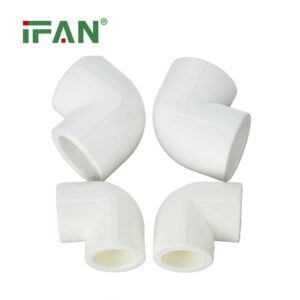
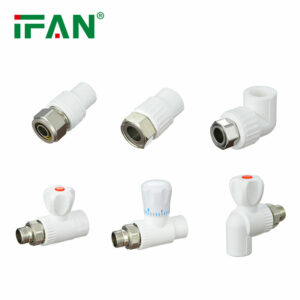
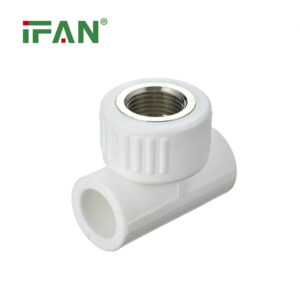
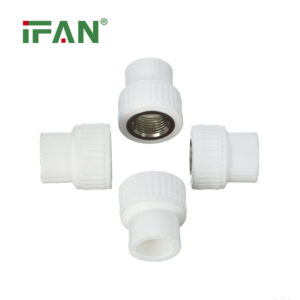
PPR pipe fittings are available in a variety of types, each serving a specific purpose. Common types include elbows, tees, couplings, and valves. Elbows are used to change the direction of the flow, while tees allow for the distribution of water to different branches. Couplings connect two pipes, and valves control the flow of water. Each type is designed to ensure a secure and leak-proof connection. The fittings are typically joined using heat fusion, which creates a seamless bond that enhances the system’s integrity.
Advantages of Using PPR Pipe Fittings
PPR pipe fittings offer numerous advantages over traditional materials like copper or steel. They are resistant to corrosion, ensuring a long lifespan without the risk of rust. The material is also non-toxic and safe for drinking water, meeting stringent health standards. PPR fittings are lightweight, making them easier to handle and install. Additionally, their thermal insulation properties reduce heat loss in hot water systems, enhancing energy efficiency. The durability and low maintenance requirements further contribute to their cost-effectiveness.
Installation Process of PPR Pipe Fittings
Installing PPR pipe fittings is a straightforward process, thanks to the heat fusion technique. First, the pipes and fittings are cut to the required length using a pipe cutter. Then, the ends are heated with a fusion tool until they reach the melting point. Once melted, the pipe and fitting are joined together, forming a permanent bond. The connection is left to cool, ensuring a strong, leak-proof seal. This method is quick and requires minimal tools, making it suitable for both professionals and DIY enthusiasts.
Applications of PPR Pipe Fittings
PPR pipe fittings are versatile and used in various applications. In residential buildings, they are commonly used for plumbing systems, including hot and cold water supply, underfloor heating, and radiant cooling. In industrial settings, PPR fittings are used for transporting chemicals, compressed air, and other fluids. They are also employed in agricultural irrigation systems, thanks to their resistance to corrosion and chemicals. The fittings’ adaptability to different environments makes them a popular choice in diverse industries.
Environmental Impact and Sustainability
PPR pipe fittings are considered environmentally friendly due to their non-toxic nature and recyclability. The production process has a lower carbon footprint compared to metal alternatives. Additionally, PPR’s resistance to scaling and corrosion reduces the need for chemical treatments, further minimizing environmental impact. At the end of their lifespan, PPR fittings can be recycled, contributing to a circular economy. These sustainable attributes make PPR fittings a responsible choice for eco-conscious projects.
Comparing PPR Pipe Fittings with Other Materials
Compared to other materials like PVC, copper, and steel, PPR pipe fittings offer distinct advantages. Unlike PVC, PPR is suitable for both hot and cold water, providing greater versatility. Copper is prone to corrosion and can leach into water, while PPR remains inert and safe. Steel is durable but heavy and prone to rust, whereas PPR combines strength with lightness and resistance to corrosion. These comparisons highlight PPR fittings as a superior choice for modern plumbing systems.
Conclusion and Future Trends
PPR pipe fittings represent a significant advancement in plumbing technology, offering a durable, safe, and cost-effective solution. Their ease of installation and maintenance, combined with environmental benefits, make them an excellent choice for a wide range of applications. As the demand for sustainable building materials grows, PPR fittings are expected to become even more popular. Innovations in material science may lead to further improvements, enhancing the performance and sustainability of PPR pipe systems in the future.