
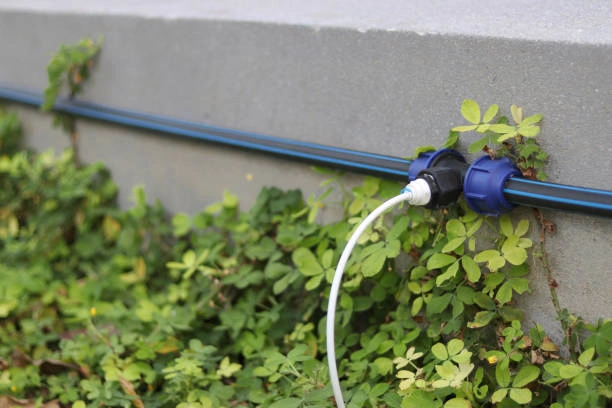
Введение в трубы HDPE
Трубы из полиэтилена высокой плотности (ПНД) have become essential in many industries due to their outstanding durability and flexibility. People use them for water supply, gas distribution, irrigation, and even industrial applications. Manufacturers select HDPE because it resists corrosion and chemicals much better than many other materials. To guarantee consistent quality and safety, they strictly follow recognized HDPE pipes standards. These standards define how the pipes should be made and tested, ensuring reliable performance in different environments.
Melting and Extrusion
The manufacturing starts by feeding small polyethylene pellets into a machine called an extruder. This machine heats the pellets until they melt into a thick, molten plastic. Then, the molten material flows through a shaping device known as a die. The die forms the molten plastic into a hollow cylindrical shape, which becomes the pipe’s body. During this step, manufacturers carefully control temperature and pressure to ensure the pipe’s uniform thickness and smooth surface.
Cooling and Calibration
Right after extrusion, the hot pipe enters a cooling system, usually a water bath. Cooling quickly solidifies the pipe and locks its shape. To maintain accuracy, machines measure the pipe’s diameter and wall thickness as it cools. If any part of the pipe does not meet exact measurements, it is rejected. This calibration process helps prevent weak spots that could cause leaks or breaks later on. By controlling these factors, manufacturers comply with essential HDPE pipes standards.
Cutting and Quality Control
Once the pipe cools and passes initial checks, workers cut it into standard lengths suitable for transport and installation. Samples from each batch then undergo strict quality testing. Teams test the pipe’s tensile strength, flexibility, and resistance to chemicals and extreme temperatures. These tests confirm that the pipes meet or exceed industry requirements. Only pipes that fully comply with the HDPE pipes standards proceed to the market, ensuring safety and durability for end users.
The Role of HDPE Pipes Standards
Standards play a crucial role in defining the minimum requirements for HDPE pipes. They cover a wide range of criteria, such as pressure ratings, impact resistance, environmental stress crack resistance, and chemical compatibility. Builders and engineers trust these standards to choose the right pipes for their specific projects. Without such guidelines, inconsistent pipe quality could lead to costly failures and safety hazards.
Benefits of Following Standards
Manufacturers who adhere to the HDPE pipes standards gain multiple advantages. Their pipes tend to have longer lifespans and need less frequent repairs or replacements. This reliability reduces downtime and maintenance costs for users. In addition, meeting standards helps companies build trust with clients and comply with legal regulations, which is essential in public infrastructure and industrial projects.
Proper Installation Practices
Meeting quality standards alone isn’t enough. Proper installation following manufacturer guidelines and HDPE pipes standards is vital for the pipe system’s success. Installers use special welding and joining methods to create leak-proof connections. They also consider soil conditions, temperature changes, and pipe support to prevent damage. Correct installation ensures the pipes maintain their strength and flexibility during years of service.
Conclusion: Why Standards Matter
In summary, the manufacturing process of HDPE pipes combines advanced technology with strict quality control. The HDPE pipes standards guide every step from raw material to finished product. These standards protect users by guaranteeing that pipes will withstand tough conditions and perform reliably. Understanding these processes and standards helps buyers and professionals select the best HDPE pipes for their projects, making investments safer and longer-lasting.
Международные стандарты IFAN
Чтобы соответствовать мировым требованиям к качеству, Трубы IFAN HDPE следовать широкому спектру международных стандартов, таких как ASTM D3035, ИСО 4427, EN 12201, и ГБ/Т 13663Эти стандарты определяют прочность, долговечность и безопасность труб. Более того, IFAN соответствует ДИН 8074/8075, AS/NZS 4130, JIS K6760, БС 6572, и CSA B137.1Благодаря тому, что их продукция подходит для систем водоснабжения, газоснабжения и промышленных систем по всему миру. Поскольку продукция IFAN соответствует всем этим надёжным сертификатам, пользователи могут с уверенностью выбирать IFAN для надёжной работы в любых условиях.
Соединять
Компания IFAN — китайский производитель пластиковых труб, фитингов и клапанов с 30-летним опытом работы. Если вас интересуют медные фитинги, клапаны, пластиковые трубы и арматура IFAN, свяжитесь с нами. IFAN предлагает широкий ассортимент стандартных труб, отвечающих вашим конкретным потребностям. Нажмите ниже, чтобы узнать больше о широком ассортименте доступных и экономичных клапанов и сопутствующих товаров IFAN.
Мы ответим на ваше электронное письмо или факс в течение 24 часов.
Вы можете позвонить нам в любое время, если у вас возникнут вопросы по нашей продукции.
Для получения более подробной информации посетите наш сайт. https://www.waterpipefactory.com/
Пожалуйста, отправьте по адресу: [email protected]
Вотсап: + 86 152 1588 7738