
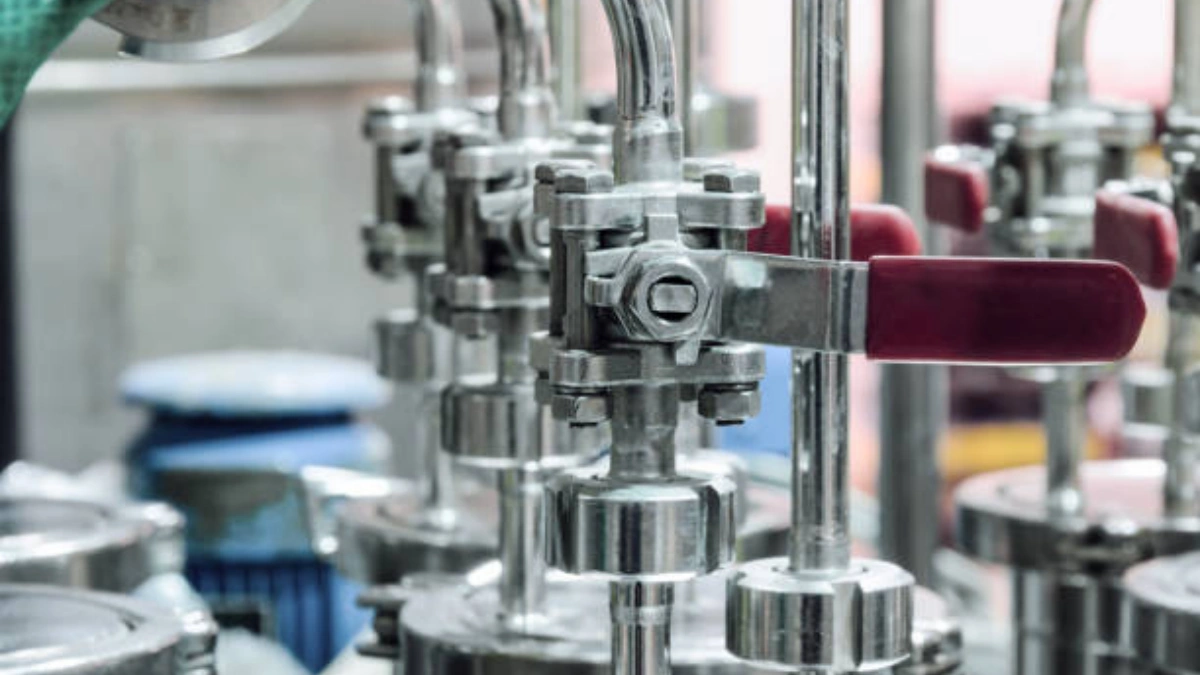
Pressure relief valve play a critical role in maintaining system safety by preventing excessive pressure buildup. Regular maintenance ensures their reliability, extends their lifespan, and minimizes system failures. Without proper upkeep, these valves can malfunction, leading to dangerous pressure surges, equipment damage, or costly downtime. Maintenance involves routine inspections, cleaning, testing, lubrication, and part replacement. By following best practices, operators can keep pressure relief valves in excellent working condition. This guide provides essential maintenance tips for ensuring long-term efficiency and safety.
Regular Inspection and Cleaning
Inspect pressure relief valve frequently to detect wear, corrosion, or damage. Early identification of issues prevents costly failures. Check for visible signs of leaks, cracks, or unusual buildup around the valve. Corrosion weakens valve components, reducing their ability to function correctly. If the valve appears discolored or rusted, clean it thoroughly and apply protective coatings.
Dirt, dust, and debris can accumulate over time, obstructing the valve’s operation. Remove contaminants using a soft brush or compressed air. In highly contaminated environments, such as chemical processing plants or oil refineries, increase the frequency of cleaning. Debris buildup can prevent the valve from opening at the correct pressure, leading to dangerous over-pressurization. Regular cleaning ensures the valve operates smoothly, preventing blockages that could compromise performance.
Functional Testing
Testing ensures the valve responds correctly under real operating conditions. Perform tests periodically to verify proper activation. Open and close the valve manually to check for smooth operation. If the valve sticks, inspect internal components for blockages or mechanical issues. A stuck valve may fail to release excess pressure, creating potential hazards.
Use a pressure gauge to confirm that the valve releases pressure at the designated setpoint. If the valve activates too early or too late, recalibrate it according to manufacturer specifications. For steam or gas applications, conduct testing under actual system conditions to obtain accurate results. If the valve does not respond as expected, investigate the cause immediately. Functional testing helps prevent unexpected valve failures and improves system reliability.
Lubrication and Seal Maintenance
Proper lubrication reduces friction between moving parts, ensuring smooth valve operation. Apply a manufacturer-approved lubricant to essential components such as springs and hinges. Avoid using excessive lubricant, as this can attract dirt and debris, leading to blockages. Lubrication is particularly important for valves operating in high-temperature or high-pressure environments.
Seals and gaskets play a crucial role in preventing leaks. Check seals for cracks, hardening, or deterioration. Exposure to extreme temperatures, chemicals, or pressure fluctuations accelerates wear. Replace damaged seals immediately to maintain a secure seal and prevent pressure loss. A faulty seal reduces the valve’s efficiency and increases the risk of uncontrolled pressure buildup. Regular lubrication and seal maintenance extend the valve’s lifespan, reducing the need for frequent replacements.
Identifying and Replacing Worn Components
Internal components degrade over time due to continuous exposure to pressure cycles. Inspect springs, diaphragms, and valve seats for signs of fatigue or wear. A weak spring may cause the valve to open too soon, while a worn diaphragm can lead to erratic operation. Cracked or eroded valve seats result in leaks, reducing system efficiency.
Follow the manufacturer’s guidelines for replacing worn-out parts. Keep spare components readily available to minimize downtime in case of failure. In industrial facilities, having a replacement schedule prevents unexpected breakdowns and ensures consistent performance. Ignoring worn components can lead to complete valve failure, putting the entire system at risk. Timely replacements keep the valve functioning as intended, maintaining safety and efficiency.
Proper Installation and Storage
Correct installation ensures that the valve operates efficiently. Mount the valve in the correct position according to the manufacturer’s instructions. Improper installation can lead to restricted flow, incorrect pressure relief, or premature wear. Secure all connections to prevent vibrations from loosening components over time. In high-vibration environments, use additional support brackets to stabilize the valve.
Proper storage prevents premature valve deterioration. Store spare valves in a clean, dry location away from moisture, dust, and corrosive chemicals. Protect valves from extreme temperatures, as excessive heat or cold can affect their mechanical properties. Keeping stored valves in good condition ensures they remain ready for use when needed. Proper installation and storage practices improve valve reliability and longevity.
Заключение
Regular maintenance keeps pressure relief valve in optimal working condition, preventing dangerous system failures. Routine inspections help detect potential issues before they escalate. Cleaning removes debris that could obstruct valve operation. Functional testing ensures the valve responds at the correct pressure levels. Lubricating moving parts and replacing worn seals maintain efficiency. Identifying and replacing damaged components prevents performance issues. Correct installation and proper storage protect valves from premature wear. By following these maintenance tips, operators can extend the lifespan of pressure relief valves and maintain safe system operation.
Заключение
Regular maintenance keeps pressure relief valves in optimal condition, preventing failures and costly repairs. Inspect and clean valves frequently to remove contaminants. Conduct functional tests to verify proper operation. Lubricate moving parts and replace worn seals to maintain efficiency. Monitor internal components and replace damaged parts to prevent performance issues. Install valves correctly and store them in ideal conditions. Following these maintenance tips ensures long-term reliability and system safety.
Продукты ИФАН международный стандарты
ИФАН Продукция строго соответствует широкому спектру международных стандартов, включая ISO 15874, EN 15874, ASTM F2389, DIN 8077/8078, GB/T 18742, NBR 15884, ISO 15494, EN ISO 15494, GB/T 19472, NBR 15494, ASTM 2846 (501), DIN 8079/8080 (502), ASTM F441/F441M SCH80 (503), DIN (504), DIN (505), GB/T 18993, AS/NZS 1477, CSA B137.6, NSF/ANSI 14, TIS 17-2532/1131-2535, BS 3505, BS 4346 (801), ASTM D1785 SCH40 (802), ASTM D1785 SCH80 (803), DIN (804), GB (805), GB (806), GB(901), DWV(902), ASTM D2665 (903), а также серии ASTM D2241, D2665, D2729 и F441/F441M, ISO 1452, EN ISO 1452, DIN 8061/8062, GB/T 10002, AS/NZS 1477, JIS K6741, CSA B137.3 и другие национальные и отраслевые нормы.
Соединять
IFAN — китайский производитель пластиковые трубы, fittings and valves with 30 years of experience. If you are interest in IFAN copper fittings, copper valves, plastic pipes and fittings, please contact us. IFAN offers you a variety of standard pipes to meet your specific needs. Click below to learn more about IFAN’s wide range of affordable and cost-effective valve products and piping system related products.
Мы ответим на ваше электронное письмо или факс в течение 24 часов.
Вы можете позвонить нам в любое время, если у вас возникнут вопросы по нашей продукции.
Для получения более подробной информации посетите наш сайт. https://www.waterpipefactory.com/
Пожалуйста, отправьте по адресу: [email protected]
Вотсап: + 86 152 1588 7738