
Трубы PEX — относительно новый сантехнический материал, который в последние годы завоевал популярность благодаря своей экономичности и простоте монтажа. Но какова его стоимость по сравнению с другими популярными сантехническими материалами на рынке? В этой статье мы подробнее рассмотрим стоимость труб PEX в сравнении.
PEX Pipe vs. Copper Pipe
Copper pipe has been the standard in plumbing for many years, known for its durability and resistance to corrosion. However, copper is also one of the most expensive materials on the market. On average, copper costs around $2.50 to $3.00 per linear foot, whereas PEX pipe costs around $0.50 to $0.70 per linear foot. This means that PEX is typically around four to six times cheaper than copper.
PEX Pipe vs. PVC Pipe
PVC (polyvinyl chloride) pipe is a popular alternative to copper. It’s a lightweight, durable material that is easy to work with and won’t corrode. While PVC is cheaper than copper, it’s actually more expensive than PEX. PVC typically costs around $0.50 to $0.80 per linear foot, putting it on par with the price of PEX.
PEX Pipe vs. CPVC Pipe
CPVC (chlorinated polyvinyl chloride) pipe is a similar material to PVC, but is designed specifically for hot water applications. Like PVC, it’s generally more expensive than PEX, with an average cost of $0.70 to $1.00 per linear foot. While CPVC is a good option for hot water applications, it’s important to note that PEX can also be used for hot water lines.
Additional Costs to Consider
While PEX pipe is generally cheaper than copper and comparable to PVC and CPVC in price, there are a few additional costs to consider when installing PEX. One major consideration is the cost of the crimping tools needed to install PEX fittings. These tools can cost anywhere from $100 to $400, depending on the brand and size.
Another cost factor to consider is the cost of fittings themselves. While PEX fittings aren’t necessarily more expensive than fittings for other materials, they can be more tricky to install than copper fittings. This means that if you’re not experienced with PEX installation, it may be wise to hire a professional plumber to do the work for you.
Заключение
In the end, it is largely dependent on your specific needs and situation. While PEX is generally cheaper than copper and comparable in price to PVC and CPVC, there are additional costs to consider, such as crimping tools and fittings. Ultimately, it’s important to weigh the pros and cons of each material before deciding which one is the best choice for your plumbing needs.
Соединять
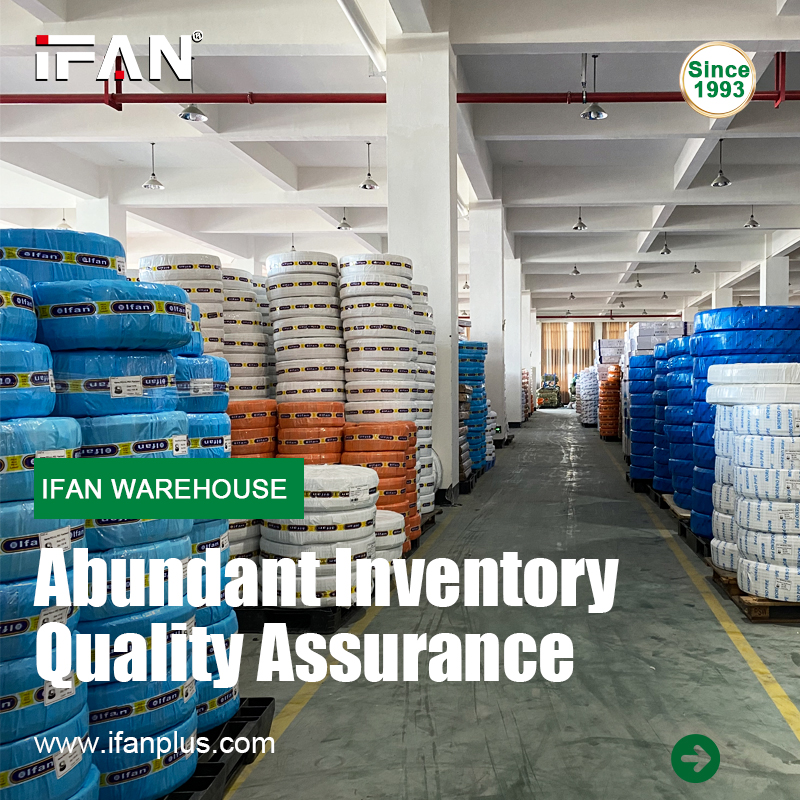
IFAN — китайский производитель пластиковые трубы, fittings and valves with 30 years of experience. If you are interest in IFAN copper fittings, copper valves, plastic pipes and fittings, please contact us. IFAN offers you a variety of standard pipes to meet your specific needs. Click below to learn more about IFAN’s wide range of affordable and cost-effective valve products and piping system related products.
Мы ответим на ваше электронное письмо или факс в течение 24 часов.
Вы можете позвонить нам в любое время, если у вас возникнут вопросы по нашей продукции.
Для получения более подробной информации посетите наш сайт. https://www.waterpipefactory.com/
Пожалуйста, отправьте по адресу: [email protected]
Вотсап: + 86 152 1588 7738
Are PEX pipes suitable for underground use?
Are PEX Pipes Suitable for Underground Use?
PEX pipes are indeed suitable for underground applications. These pipes are known for their flexibility and durability, making them a popular choice for underground installations. Let’s explore the reasons why PEX pipes are a reliable option for such use.
Benefits of Using PEX Pipes Underground
- Flexibility and Installation Ease:
- PEX pipes are highly flexible, accommodating the natural movements of the earth without cracking. This flexibility simplifies installation, reducing the need for multiple fittings and joints, which in turn minimizes potential leak points.
- Resistance to Corrosion and Scale:
- Unlike metal pipes, PEX does not corrode or develop scale over time. This resistance is particularly beneficial for underground installations where moisture and soil acidity can accelerate corrosion in metal pipes.
- Durability in Various Temperatures:
- PEX pipes can withstand a wide range of temperatures, making them ideal for underground environments where temperature fluctuations are commonplace.
- Cost-Effective and Energy Efficient:
- The installation process for PEX is faster and requires fewer labor costs. Moreover, PEX pipes have excellent thermal properties, which can improve energy efficiency by maintaining water temperature as it travels through the system.
Considerations for Installing PEX Pipes Underground
- Use Proper Insulation: While PEX is more resistant to temperature changes than some materials, using proper insulation can further protect the pipes from extreme temperatures and potential freezing in colder climates.
- Correct Depth and Covering: Ensure that PEX pipes are buried at an appropriate depth and covered with protective materials as stipulated by local building codes to prevent any physical damage from surface activities or environmental stress.
- Check Local Building Codes: Before proceeding with an underground installation, verify that the use of PEX pipes complies with local building regulations, as these can vary by region.
In summary, PEX pipes are an excellent choice for underground use due to their flexibility, durability, and resistance to corrosion. By considering the proper installation techniques and adhering to local codes, PEX can be a dependable and efficient solution for underground piping needs.
What features do PEX pipes have?
What Features Do PEX Pipes Have?
When considering PEX pipes for your plumbing needs, it’s essential to understand the key features that make them a popular choice. Here’s what sets PEX pipes apart:
Гибкость
PEX pipes are renowned for their flexibility. This pliability allows for easy installation around corners and through tight spaces without the need for numerous connectors and joints. This can significantly reduce the time and effort involved in installation.
Стойкость к коррозии
Unlike metal pipes, PEX pipes are highly resistant to corrosion. This resistance ensures longevity and minimizes the risk of leaks, maintaining the integrity of your plumbing system over time.
Suitable for Underground Installation
Designed for versatility, PEX pipes are only ideal for indoor use but are also suitable for underground installation. This feature expands their usability in a variety of settings, from residential homes to commercial buildings.
Ductility
PEX pipes exhibit excellent ductility, meaning they can withstand varying degrees of expansion and contraction. This is particularly beneficial in environments subject to temperature fluctuations, reducing the risk of cracking or bursting.
By combining these features, PEX pipes offer a reliable and efficient solution for both new installations and plumbing repairs. Whether you’re a DIY enthusiast or a professional plumber, PEX pipes provide a durable and adaptable option for any project.
What are the maximum working temperatures for PEX pipes?
Understanding the Maximum Working Temperatures for PEX Pipes
PEX (cross-linked polyethylene) pipes are known for their flexibility and durability, making them a popular choice for plumbing and heating systems. One critical aspect to consider when working with PEX pipes is their temperature limits to ensure safety and efficiency.
Maximum Temperature Ratings
- PEX Plumbing Pipes: Generally, standard PEX pipes can handle temperatures up to 180°F. However, variations exist across different manufacturers.
- High-Temperature PEX: Some brands offer specialized PEX variants that can withstand maximum temperatures of up to 200°F. These high-temperature pipes are ideal for specific applications like commercial buildings or industrial environments.
Considerations for Safe Usage
- Номинальные значения давления: Always consider the pressure ratings in conjunction with the temperature limits to avoid compromising the integrity of the pipe.
- Installation Environment: Factor in environmental conditions, such as insulation and proximity to heat sources, which can affect the pipe’s performance.
Заключение
When choosing PEX pipes for your project, confirm the temperature ratings with the manufacturer to ensure compatibility with your system’s requirements. This not only guarantees performance but also extends the lifespan of your plumbing or heating setup.
What materials are PEX pipes made from?
What Materials Are PEX Pipes Made From?
PEX pipes are primarily crafted from cross-linked polyethylene, a material that undergoes a unique chemical process to enhance its durability and flexibility. Here’s a breakdown of what makes up PEX:
- Polyethylene Base: The core component is polyethylene, a type of plastic known for its strength and versatility. This foundational element is what gives PEX its base characteristics of flexibility and resilience.
- Cross-Linking Process: The polyethylene undergoes a cross-linking process, which involves chemically bonding the polymer chains. This transformation improves the pipe’s thermal stability and resistance to pressure, making it suitable for both hot and cold water systems.
Types of Cross-Linking
There are several methods used to achieve cross-linking in PEX pipes:
- Peroxide Method (PEX-a): This method involves using peroxide to initiate the cross-linking process, resulting in a highly flexible pipe.
- Silane Method (PEX-b): In this approach, silane is used, which is more affordable yet still offers a good balance of flexibility and toughness.
- Irradiation Method (PEX-c): This involves using electron beams to cross-link the polyethylene, producing a stiffer pipe compared to PEX-a and PEX-b.
Employing these materials and methods ensures that PEX pipes are not only long-lasting but also easy to install, which is why they are widely used in various plumbing applications.
What are the actual inside diameters of PEX pipes?
Actual Inside Diameters of PEX Pipes
PEX pipes come in a variety of inside diameters to suit different plumbing needs. Here’s a detailed list:
- 0.862 inches
- 0.863 inches
- 0.875 inches
- 0.885 inches
- 1 дюйм
- 1.57 inches
These measurements are crucial for ensuring compatibility with fittings and connections in plumbing projects. Always double-check specifications to select the right size for your installation requirements.
What are the actual outside diameters of PEX pipes?
Actual Outside Diameters of PEX Pipes
When considering PEX pipes for your plumbing project, understanding the actual outside diameters is crucial for compatibility and installation. Here are some common sizes you might encounter:
- 1 дюйм: This is the typical size used for main water lines in residential buildings.
- 1.125 inches (1 1/8 inches): Slightly larger, this size can be found in systems that require a bit more capacity for distribution.
- 29.4 millimeters: Converting from inches to metric, this is an equivalent size commonly used in international plumbing systems.
Always ensure you select the appropriate diameter to match your system’s specifications and requirements.
What lengths do PEX pipes come in?
When choosing PEX pipes for your plumbing projects, you’ll find they come in a variety of lengths to suit different needs.
Here’s a rundown of the most common sizes available:
- 5 feet: Perfect for small adjustments or repairs. Ideal when you don’t need a lot of material.
- 10 feet: This size works well for slightly larger tasks, providing enough length for minor installations.
- 20 feet: A versatile length that offers flexibility for both residential and light commercial use.
- 100 feet: Often preferred for larger projects, this length is suitable for comprehensive installations without frequent connectors.
- 300 feet и 500 feet: These longer options are optimal for extensive renovations or new constructions, minimizing the need for joins and connections.
What are the nominal inside pipe diameters available for PEX pipes?
When selecting PEX pipes for your plumbing needs, it’s important to consider the range of nominal inside diameters available.
Here’s a comprehensive list:
- 1/4 inch: Common for small installations or tight spaces.
- 3/8 inch: Versatile for residential use with moderate water flow.
- 1/2 дюйма: Popular in home plumbing, balancing flow and space.
- 5/8 inch: Offers a bit more capacity while still compact.
- 3/4 дюйма: Often used for mains supplying several outlets.
- 7/8 inch: Less common, but useful for specific applications.
- 1 дюйм: Handles larger volumes, ideal for main supply lines.
- 1-1/4 inch: Suitable for larger residential or commercial projects.
- 1-1/2 inch: Used in systems requiring considerable flow.
- 2 дюйма: Perfect for very high-demand systems or commercial settings.
Each size serves different needs, so choose according to your piping and flow requirements.
What delivery options are available for PEX pipes?
Delivery Options for PEX Pipes
When considering the purchase of PEX pipes, there are flexible delivery options available to suit your needs:
- In-Store Availability: Check your local stores for immediate availability, where you can pick up your items on the same day. This option is perfect if you need your PEX pipes urgently.
- Standard Delivery: Benefit from a convenient free delivery service, with your order arriving in 1 to 3 days. This option balances speed and cost, ensuring your materials arrive promptly without added expense.
- Express Delivery: For those who need their PEX pipes as soon as possible, next-day delivery options are available, ensuring you get your supplies right when you need them.
These delivery choices provide you with the flexibility to choose the option that best fits your schedule and project timeline.
What applications are PEX pipes suitable for?
While CPVC is a good option for hot water applications, it’s important to note that PEX can also be used for hot water lines.
Applications for PEX Pipes
PEX pipes are incredibly versatile and suitable for a wide range of applications beyond just hot water. Here’s a closer look at where PEX excels:
- Potable Water: PEX is a popular choice for delivering safe drinking water due to its resistance to corrosion and scaling.
- Hydroponics: Its flexibility and ease of installation make PEX ideal for hydroponic systems, ensuring efficient water flow to plants.
- Non-Potable Water: PEX is often used for non-potable water systems, such as irrigation and industrial applications, thanks to its durability.
- Водоснабжение: Whether for residential or commercial use, PEX is suitable for new construction or retrofitting existing plumbing systems.
These varied applications highlight PEX’s adaptability, making it a reliable option for numerous plumbing needs.