
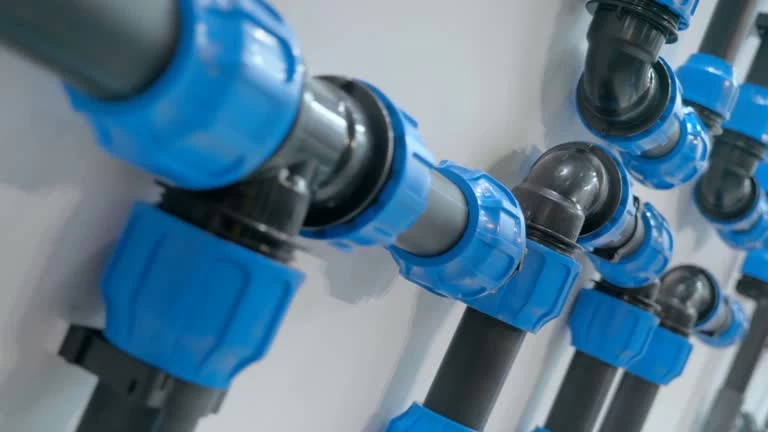
In recent years, the environmental impact of construction materials has gained significant attention, with industries increasingly seeking sustainable alternatives to traditional materials. High-Density Polyethylene (HDPE) pipes, particularly the commonly used 2-inch variety, have emerged as an environmentally friendly option for infrastructure projects worldwide. Known for their durability, recyclability, and resistance to environmental stressors, HDPE pipes play a crucial role in reducing the carbon footprint of many industrial and construction applications. In this article, we explore the environmental benefits and challenges associated with 2-inch HDPE pipes, highlighting their growing importance in promoting sustainability in modern infrastructure systems.
Recyclability and the Circular Economy
One of the most compelling environmental benefits of HDPE pipes is their recyclability.The ability to recycle HDPE not only reduces waste but also conserves valuable natural resources. Recycling HDPE reduces the energy required to produce new polyethylene, thus lowering overall carbon emissions associated with pipe manufacturing. As demand for sustainable materials grows, the recycling of HDPE pipes becomes an essential part of reducing the environmental impact of the construction industry.
Durability and Long-Term Use
Another significant environmental advantage of 2-inch HDPE pipes is their exceptional durability. HDPE pipes are known for their resistance to corrosion, abrasion, and the degradation caused by environmental factors like UV radiation, chemicals, and temperature fluctuations. This durability allows HDPE pipes to last for decades, reducing the need for frequent replacements and minimizing the resources needed for repairs or new installations.This long-term use contributes to a more sustainable approach to infrastructure development, helping to minimize environmental impact over the life cycle of the pipe.
Energy Efficiency in Production
The manufacturing process for 2-inch HDPE pipes is more energy-efficient compared to alternative materials such as metal or concrete pipes. The production of polyethylene requires less energy than the production of steel or concrete, which involves high-temperature processes and the extraction of raw materials like iron ore. HDPE pipe production, by contrast, involves a less energy-intensive process that produces fewer greenhouse gas emissions.
Additionally, the production of HDPE pipes results in lower emissions of toxic substances compared to materials like PVC or metal pipes. This eco-friendly production process makes HDPE pipes a favorable choice for industries and municipalities seeking to reduce their carbon footprint. As global industries continue to seek ways to minimize environmental harm, choosing energy-efficient materials like HDPE becomes a strategic approach to achieving sustainability goals.
Reduced Water and Wastewater Loss
HDPE pipes, including the 2-inch size, are highly effective in water and wastewater management systems due to their smooth inner surfaces. The smoothness of HDPE pipes reduces friction, which helps maintain a steady flow of water and reduces the likelihood of blockages or leaks. This resistance to leakage is crucial in water distribution systems, where even small leaks can lead to significant water loss, a major environmental issue in many regions.
By minimizing water loss, HDPE pipes contribute to better resource management and conservation. In areas experiencing water scarcity, reducing water loss is a critical concern, and the use of HDPE pipes helps address this challenge by ensuring more efficient water transport systems. This feature also benefits wastewater systems, as it reduces the risk of contamination or pollution from leaks in the system.
Low Carbon Footprint in Transportation
Another environmental advantage of HDPE pipes is their relatively low carbon footprint when it comes to transportation. Compared to metal pipes, HDPE pipes are lightweight and easier to handle, which results in lower fuel consumption during transportation. This reduction in transportation energy not only decreases costs but also lowers greenhouse gas emissions associated with moving the pipes from manufacturers to job sites.
Furthermore, HDPE pipes are available in longer lengths, which means fewer joints are needed during installation. Fewer joints and components reduce the need for additional transportation and assembly, thus lowering the environmental impact during the supply chain process.
Sustainability in Wastewater Treatment Plants
Wastewater treatment plays a key role in reducing environmental pollution, and the use of high-quality, long-lasting HDPE pipes ensures that these systems remain efficient and effective over time. By choosing HDPE, municipalities and industries can create more sustainable, resilient wastewater treatment systems that will continue to serve communities without compromising the environment.
Environmental Concerns and Challenges
Despite the many environmental benefits of HDPE pipes, there are still some challenges that need to be addressed. One concern is the environmental impact of the plastic production process itself. While HDPE is less resource-intensive than other materials like concrete and metal, the production of polyethylene still requires the extraction of petroleum and energy-intensive processes. Additionally, although HDPE pipes are recyclable, the actual rate of recycling is not always as high as it should be. Many HDPE pipes end up in landfills if they are not properly recycled, contributing to plastic waste.
To combat these issues, the industry must work towards improving recycling rates and developing more sustainable methods of production. Investing in advanced recycling technologies and encouraging the use of recycled HDPE in manufacturing new pipes can help mitigate the environmental impact of HDPE production. Additionally, stricter regulations around plastic waste management and recycling can further promote the sustainable use of HDPE materials.
IFAN is a brand that offers products that meet a wide range of international standards, ensuring the quality and reliability of every product. Product standard including:ASTM D3035, ASTM D3350, ISO 4427 series, EN 12201 series, DIN 8074/8075, GB/T 13663 series, AS/NZS 4130, JIS K6760, BS 6572, CSA B137.1. IFAN is committed to providing high quality products and excellent service!
Conclusion
2-inch HDPE pipes offer numerous environmental benefits that make them a strong choice for infrastructure projects across various industries. Their recyclability, long lifespan, energy-efficient production process, and resistance to leaks make them an eco-friendly option for water, gas, and wastewater management systems. As global industries continue to prioritize sustainability, the use of HDPE pipes will likely grow, contributing to more efficient, environmentally responsible infrastructure. However, addressing challenges such as the environmental impact of plastic production and improving recycling efforts will be key to fully realizing the potential of HDPE pipes as a sustainable material. By making more sustainable choices, industries can ensure that they are contributing to the protection and preservation of the environment for future generations.
Connect
IFAN is a Chinese manufacturer of plastic pipes, fittings and valves with 30 years of experience. If you are interest in IFAN copper fittings, copper valves, plastic pipes and fittings, please contact us. IFAN offers you a variety of standard pipes to meet your specific needs. Click below to learn more about IFAN’s wide range of affordable and cost-effective valve products and piping system related products.
We will reply your email or fax within 24 hours.
You can call us at any time if there is any question on our production.
For more information,pls visit our webside https://www.waterpipefactory.com/
Pls Mailto: [email protected]
Whatsapp: + 86 152 1588 7738