
1. Understanding Trim Valves in Engineering Systems
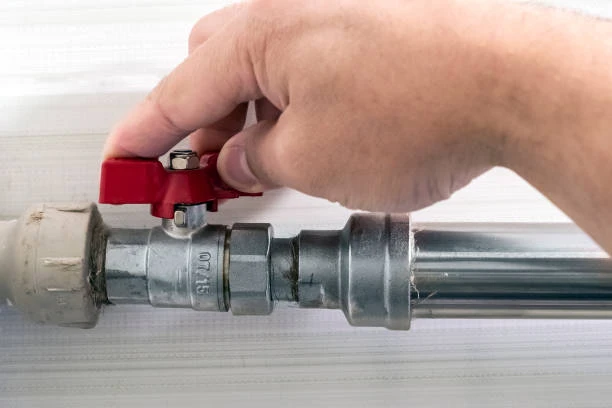
Trim valves play a crucial role in fluid and pressure control systems. Engineers incorporate these valves to regulate the flow, pressure, and temperature of fluids in pipelines, ensuring efficient and reliable operation. Trim valves consist of various components like the valve body, trim, seat, and actuator, each designed to perform specific functions in different engineering applications.
2. Design Considerations for Optimal Performance
In engineering, the design of trim valves depends on factors such as the type of fluid, pressure, temperature, and flow requirements. Engineers design trim valves to meet the specific demands of each system. Factors like corrosion resistance, durability, and ease of maintenance guide material choices. Whether dealing with high-temperature steam or corrosive chemicals, engineers ensure that trim valves meet the operational needs of the system.
3. Integration of Trim Valves in Fluid Control Systems
Trim valves are integral to the proper functioning of fluid control systems. Engineers integrate them into pipelines, pressure relief systems, and heating or cooling circuits. Their ability to adjust flow rates and pressures ensures the system operates within safe parameters, preventing potential damage to other components. Proper integration of trim valves can also improve energy efficiency by maintaining consistent fluid dynamics.
4. Addressing Specific Engineering Challenges with Trim Valves
Engineering challenges, such as maintaining consistent pressure, preventing cavitation, and reducing wear, can all be addressed with the right trim valve. Engineers analyze the specific needs of a system and choose valves that offer precise control. For instance, in high-pressure systems, engineers select valves that can handle pressure fluctuations while minimizing the risk of cavitation, which could cause system damage over time.
5. Material Selection for Engineering Efficiency
The choice of materials for trim valve directly affects system reliability and longevity. Engineers select materials based on factors like corrosion resistance, strength, and thermal conductivity. For systems exposed to high temperatures or aggressive chemicals, materials like stainless steel, titanium, or specialized alloys provide the necessary durability. Engineers prioritize material properties to ensure that trim valves perform optimally in challenging conditions.
6. Automation and Control Systems for Enhanced Performance
In modern engineering, automation and control systems significantly enhance the performance of trim valves. Engineers design automated systems that adjust valve settings in real-time based on fluid conditions. Using sensors, actuators, and controllers, engineers create dynamic systems that respond to pressure changes, temperature fluctuations, or flow rate variations. This automation improves efficiency, reduces human error, and ensures continuous operation.
7. Maintenance and Monitoring for Long-Term Reliability
Engineers play an essential role in maintaining the integrity of trim valves over time. Regular inspections and preventive maintenance help identify potential issues before they lead to failures. By monitoring factors like pressure, flow, and temperature, engineers can ensure that trim valves continue to perform at optimal levels. Well-maintained trim valves reduce the likelihood of costly repairs and downtime in critical systems.
8. Innovation in Trim Valve Engineering for Future Applications
The future of trim valve engineering focuses on improving efficiency, reducing environmental impact, and enhancing adaptability. Engineers explore new materials, advanced coatings, and smart technologies to create valves that meet the demands of emerging industries. Innovations like wireless sensors, real-time diagnostics, and AI-based control systems promise to revolutionize trim valve performance, ensuring they remain crucial components in advanced engineering systems.
IFAN Ball Valves: Global Compliance & Precision
IFAN designs chromed brass ball valve meeting global standards—ASTM D2513, ISO 4437, EN 1555, DIN 8074/8075, GB/T 13663, AS/NZS 4130, BS 5405, CSA B137.1, and JIS B 8381—ensuring durability, leak-proof performance, and compatibility across residential, industrial, and municipal applications worldwide.
Connect
IFAN is a Chinese manufacturer of plastic pipes, fittings and valves with 30 years of experience. If you are interest in IFAN copper fittings, copper valves, plastic pipes and fittings, please contact us. IFAN offers you a variety of standard pipes to meet your specific needs. Click below to learn more about IFAN’s wide range of affordable and cost-effective valve products and piping system related products.
We will reply your email or fax within 24 hours.
You can call us at any time if there is any question on our production.
For more information,pls visit our webside https://www.waterpipefactory.com/
Pls Mailto: [email protected]
Whatsapp: + 86 152 1588 7738