
What Are PPR Couplings?
PPR couplings are fittings used to join two sections of polypropylene random (PPR) pipes. Installing PPR couplings creates leak-proof seals and ensures long-lasting, pressure-resistant pipe systems. Ideal for both hot and cold water Installing, they are commonly found in residential, commercial, and industrial plumbing. Because of their durability and ease of use, PPR couplings are a favorite among plumbers and DIYers alike.
Tools You Will Need
Before starting the installation, gather essential tools. These include a pipe cutter, PPR welding machine, tape measure, and cleaning cloth. Also, make sure you have the correct size of PPR couplings and pipes. Having the right tools and materials helps avoid delays and ensures proper joint quality. Preparing your workspace with everything you need is the first step to success.
Measuring and Cutting
Begin by measuring the required pipe length using a tape measure. Mark the spot clearly. Use a pipe cutter to make a clean, straight cut. A precise cut ensures a proper fit within the coupling. Afterwards, clean the pipe ends to remove any dust or debris. Clean surfaces bond better during welding, resulting in stronger, leak-proof joints.
Heating and Joining
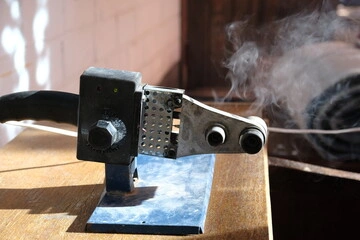
Turn on the PPR welding machine and wait for it to reach the recommended temperature, usually around 260°C. Insert the pipe and coupling into the heating sockets. After heating for a few seconds, quickly remove both pieces and join them together. Hold the joint steady for a few seconds to let it cool and fuse. This step creates a permanent, water-tight connection.
Cooling and Testing
Allow the connection to cool completely before moving the pipe. Cooling time may vary depending on the pipe size, typically around 30 seconds. Once all joints are made, conduct a pressure test to ensure there are no leaks. Testing confirms the reliability and safety of the installation. Always follow manufacturer guidelines during this step.
Common Mistakes to Avoid
When installing PPR couplings, avoid overheating or underheating the PPR materials, as this can weaken the joints. Never attempt to force a misaligned connection during the installing PPR couplings process. Also, don’t skip cleaning the pipe ends before welding. Following proper procedures improves the system’s durability and avoids costly repairs. Always double-check measurements and ensure a steady hand during welding to achieve the best results when installing PPR couplings.
Tips for Best Results
To achieve the best results when installing PPR couplings, always work in a clean, well-lit environment to minimize mistakes. Proper lighting helps you see cuts and welds clearly, preventing misalignment. If you are new to PPR installation, practice welding on scrap pipes first to build confidence and skill. Also, keep extra couplings and pipes nearby so you can quickly replace any parts if needed, saving time. Organize your tools and label them for easy access, which reduces downtime during work. Additionally, pay close attention to manufacturer instructions and recommended welding temperatures to avoid damaging materials. Taking these precautions ensures strong, leak-proof joints and a durable plumbing system.
Final Thoughts
Installing PPR couplings may seem daunting at first, but by following each step carefully, beginners can achieve professional-quality results. Preparation is key — gather the right tools, measure accurately, and clean the pipe ends thoroughly before welding. Remember, patience during heating and cooling phases ensures strong bonds and prevents joint failures. Regular practice and attention to detail build your confidence and improve workmanship over time. Ultimately, using this guide will help you create safe, efficient, and long-lasting plumbing connections, whether for home repairs or larger projects.
IFAN International Standards
IFAN’s PPR fittings and pipes strictly comply with major international and regional standards, guaranteeing top-quality performance and compatibility across global markets. These standards include:
- ISO 15874 – Specifies requirements for PPR piping systems used in hot and cold water installations.
- EN 15874 – The European standard equivalent to ISO 15874, widely recognized across the EU.
- ASTM F2389 – An American standard for pressure-rated PPR piping systems used in both residential and commercial water systems.
- DIN 8077/8078 – German norms that define dimensions and quality for PPR pipes, emphasizing durability and consistency.
- GB/T 18742 – The Chinese national standard for polypropylene piping systems, applicable in domestic and industrial settings.
- NBR 15884 – The Brazilian standard ensuring product quality for PPR systems used throughout South America.
By aligning with these certifications, IFAN delivers piping solutions that meet international demands for safety, efficiency, and longevity.
Connect
IFAN is a Chinese manufacturer of plastic pipes, fittings and valves with 30 years of experience. If you are interest in IFAN copper fittings, copper valves, plastic pipes and fittings, please contact us. IFAN offers you a variety of standard pipes to meet your specific needs. Click below to learn more about IFAN’s wide range of affordable and cost-effective valve products and piping system related products.
We will reply your email or fax within 24 hours.
You can call us at any time if there is any question on our production.
For more information,pls visit our webside https://www.waterpipefactory.com/
Pls Mailto: [email protected]
Whatsapp: + 86 152 1588 7738