
High Density Polyethylene (HDPE) has transformed the way manufacturers, engineers, and even DIYers think about materials. Known for its strength, flexibility, and resistance to chemicals and impact, HDPE plastic is used in a wide range of industries—from construction and agriculture to packaging and consumer products.
But what exactly makes HDPE so versatile and reliable? In this article, we’ll explore what High Density Polyethylene is, why it’s used so widely, and how it delivers unmatched value in both everyday and high-performance environments.
1. What Is High Density Polyethylene (HDPE)?
HDPE is a thermoplastic polymer made from petroleum. Its molecules are tightly packed, which gives the material its name: High Density. This structure provides HDPE with exceptional strength-to-density ratio, which is one of its core advantages.
You’ve likely seen or used HDPE plastic before—even if you didn’t know it. Common household items like milk jugs, shampoo bottles, cutting boards, and even water pipes often contain HDPE.
Unlike other plastics that are brittle or weak, HDPE offers toughness, long life, and resistance to wear and chemicals. These qualities make it a preferred choice across industries.
2. Key Properties That Make HDPE Stand Out
Let’s break down what makes HDPE plastic so valuable:
- Strength-to-weight ratio: HDPE is lightweight but strong, making it ideal for construction and transportation.
- Chemical resistance: It resists acids, alcohols, bases, and oils—suitable for containers and piping.
- UV resistance: Black HDPE with UV stabilizers can endure outdoor conditions for decades.
- Waterproof: It doesn’t absorb moisture and won’t rot or degrade in damp environments.
- Durability: HDPE is impact-resistant and won’t crack under stress or temperature changes.
- Non-toxic and food-safe: Approved by the FDA, it’s safe for food packaging and water systems.
- Recyclable: HDPE can be reused, reducing environmental impact and supporting circular production.
Because of these traits, HDPE plastic performs in both critical infrastructure and everyday products.
3. HDPE in Industrial and Commercial Applications
High Density Polyethylene isn’t just a household name—it’s a staple in heavy-duty industries. Engineers and contractors rely on HDPE for key infrastructure projects because of its performance and longevity.
Key HDPE applications include:
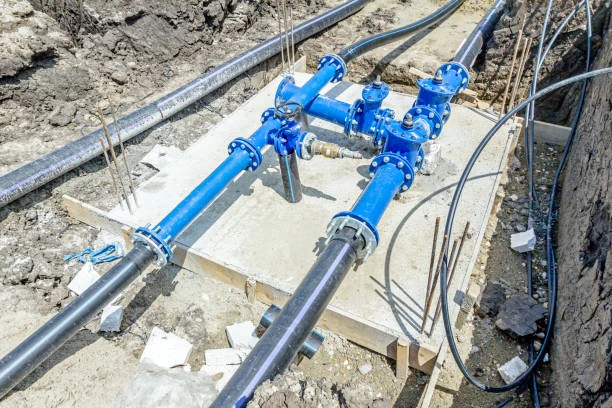
- Piping systems: HDPE pipes carry water, gas, sewage, and chemicals. They resist corrosion and pressure.
- Geomembranes: Used in landfills, mining, and agriculture to prevent leaks and protect soil.
- Chemical tanks: HDPE can store hazardous fluids without degradation.
- Packaging: Strong and lightweight bottles, containers, and caps are often made of HDPE.
- Construction: Panels, sheets, and protective barriers use HDPE for toughness and flexibility.
- Cable insulation: In telecom and power industries, HDPE shields wires and extends product life.
Clearly, HDPE plastic fits into any sector where reliability and resilience are non-negotiable.
4. Everyday Products Made from HDPE
While HDPE is a hero in industry, it also shows up in the products you use every day.
Examples of consumer-grade HDPE plastic items:
- Reusable shopping bags
- Toiletry bottles
- Ice cube trays
- Children’s toys
- Laundry baskets
- Plastic crates
- Outdoor furniture
Why do manufacturers choose HDPE for these? Because it’s safe, lightweight, cost-effective, and durable. It also holds color well, making it perfect for both plain and brightly designed products.
5. HDPE vs. Other Plastics: How Does It Compare?
So how does High Density Polyethylene measure up against other common plastics like PVC, LDPE, or PET?
| Feature | HDPE | PVC | LDPE | PET |
|---|---|---|---|---|
| Strength | High | Moderate | Low | High |
| Flexibility | Moderate | Low | High | Low |
| Chemical Resistance | Excellent | Moderate | Moderate | Low |
| Food-Safe | Yes | No (usually) | Yes | Yes |
| Recyclable | Yes (#2) | Sometimes (#3) | Yes (#4) | Yes (#1) |
As the chart shows, HDPE plastic offers the best combination of strength, flexibility, and safety, giving it an edge in many applications.
6. HDPE Is Easy to Fabricate and Mold
Manufacturers also favor HDPE because it’s easy to mold, cut, and machine. Whether you’re doing injection molding, blow molding, or CNC routing, HDPE performs well with little waste.
It melts at around 130°C (266°F), which makes it suitable for shaping without degrading its properties. That’s why HDPE plastic is popular in both mass production and custom machining.
Additionally, HDPE sheets and rods come in many thicknesses and colors, offering design flexibility.
7. Sustainability: Recycle, Reuse, Repeat
In today’s eco-conscious world, HDPE stands out as a more sustainable plastic.
- It’s 100% recyclable and marked with recycling code #2.
- Recycled HDPE (rHDPE) is used in piping, plastic lumber, benches, bins, and new containers.
- It requires less energy to produce than many other plastics or metals.
- Its long lifespan reduces the need for frequent replacements.
When companies choose HDPE, they’re making a decision that’s not only smart for business—but better for the planet.
8. Certified to Global Standards: IFAN HDPE Products
To guarantee safety and performance, HDPE must meet strict international standards. IFAN HDPE products comply with major certifications, including:
- ASTM D3035 / D3350 – U.S. standards for pressure piping
- ISO 4427 – Global guidelines for plastic piping systems
- EN 12201 – European standard for water and gas supply
- DIN 8074/8075 – German specifications for dimensions and strength
- GB/T 13663 – Chinese national HDPE pipe standards
- AS/NZS 4130 – Australian/New Zealand pressure piping standards
- JIS K6760 – Japanese industrial standard for polyethylene pipes
- BS 6572 – British standards for water distribution pipes
- CSA B137.1 – Canadian certification for plastic pipe systems
These certifications mean IFAN HDPE products are trusted worldwide—perfect for local projects and global distribution.
Conclusion: The Ultimate Material for Modern Needs
High Density Polyethylene offers unmatched strength, durability, flexibility, and safety—all at an affordable cost. It’s easy to see why industries, engineers, and consumers rely on HDPE plastic every day.
From underground pipelines to grocery bags, HDPE adapts, performs, and lasts. And thanks to global certification standards like those IFAN meets, you can count on HDPE to deliver wherever it’s used.
In the end, HDPE isn’t just a plastic—it’s the backbone of modern materials science.
IFAN International Standard: Global Certifications You Can Trust
When choosing HDPE plastic for industrial or plumbing use, compliance with international standards is essential. IFAN HDPE products meet or exceed the most recognized certifications worldwide, ensuring safety, performance, and compatibility. These include ASTM D3035 and ASTM D3350 (USA), ISO 4427 (global), EN 12201 (Europe), DIN 8074/8075 (Germany), GB/T 13663 (China), AS/NZS 4130 (Australia/New Zealand), JIS K6760 (Japan), BS 6572 (UK), and CSA B137.1 (Canada). Whether you’re building a water supply system or manufacturing components, IFAN ensures you receive products that meet the highest global standards.
Connect
IFAN is a Chinese manufacturer of plastic pipes, fittings and valves with 30 years of experience. If you are interest in IFAN copper fittings, copper valves, plastic pipes and fittings, please contact us. IFAN offers you a variety of standard pipes to meet your specific needs. Click below to learn more about IFAN’s wide range of affordable and cost-effective valve products and piping system related products.
We will reply your email or fax within 24 hours.
You can call us at any time if there is any question on our production.
For more information,pls visit our webside https://www.waterpipefactory.com/
Pls Mailto: [email protected]
Whatsapp: + 86 152 1588 7738