
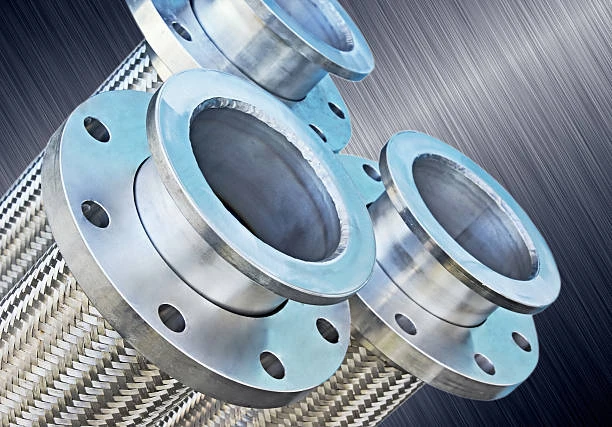
Braided hoses play a crucial role across multiple industries due to their flexibility, strength, and reliability. To meet such demanding standards, the manufacturing process of braided hoses must adhere to strict technical and quality controls. In this article, we will explore the detailed processing techniques involved in producing braided hoses, from raw material selection to the final inspection.Whether you are a supplier, engineer, or end-user, understanding the processing behind braided hoses will help you appreciate their value and make informed purchasing decisions.
Frequently Asked Questions (FAQ)
1. What materials are used in the production of braided hoses?
Braided hoses typically use inner tubing made from rubber, PVC, or stainless steel, combined with an external braided layer of stainless steel or polyester for added strength.
2. How is the braided layer applied during the manufacturing process?
The braided layer is woven over the inner tube using a high-speed braiding machine, which ensures consistent tension and coverage to enhance pressure resistance.
3. Are all braided hoses manufactured using the same process?
No, the manufacturing process varies depending on the hose’s intended application, pressure rating, and material type.
4. What quality control methods are used in hose production?
Quality control includes dimensional checks, pressure tests, visual inspections, and performance testing to ensure the hose meets required standards.
5. Why is braiding preferred over plain hose designs?
Braiding increases a hose’s resistance to pressure, abrasion, and environmental factors, while also extending its lifespan in demanding applications.
Basic Definition and Key Characteristics
Braided hoses are flexible pipes reinforced with a woven outer layer, typically made from stainless steel, nylon, or polyester. This braiding is designed to provide added strength and to protect the inner tube from pressure, friction, and environmental wear.
The inner core carries fluid, while the braided exterior serves multiple roles: it reinforces structural integrity, prevents expansion under pressure, and protects against external abrasions.
Several key features define high-quality braided hoses:
- Flexibility: Allows easy installation, especially in confined spaces.
- Pressure Resistance: Handles high internal pressures without bursting.
- Durability: Withstands friction, heat, and chemical exposure.
- Corrosion Resistance: Especially in stainless steel variants.
- Low Expansion: Maintains shape under varying pressure levels.
Manufacturing Process of Braided Hoses
The production of braided hoses involves several critical stages, each contributing to the overall quality and performance of the final product. Let’s explore the process step by step:
1. Raw Material Selection
The process begins with the selection of suitable materials. Braiding materials include stainless steel wire, aramid fibers, or polyester yarns.
This ensures the hose can function reliably under specific operational conditions.
2. Extrusion of Inner Tube
The core of the hose is created using an extrusion machine. During this step, raw rubber or plastic is melted and formed into a continuous tube. The extrusion must maintain consistent wall thickness and diameter to ensure uniform performance.
3. Braiding Process
After the core tube is ready, it moves on to the braiding machine. This step is one of the most critical in the entire production cycle.
The braiding machine weaves multiple strands of wire or fiber over the core tube at high speeds. The number of carriers (spools of yarn or wire) and the angle of braiding determine the coverage and strength of the braid.
High-quality braided hoses maintain a tight and uniform pattern, which improves their burst pressure and flexibility.
4. Additional Layers (Optional)
Some hoses may include multiple layers of braiding or an additional protective cover. These extra layers enhance the hose’s resistance to external factors like UV exposure, oil, or abrasion.
For example, a triple-layer hose might include:
- An inner EPDM tube
- A polyester braided middle layer
- A protective outer PVC cover
This combination allows it to perform in industrial environments with high mechanical and chemical stress.
5. Testing and Quality Control
Before being packaged, each hose undergoes thorough quality checks. These may include:
- Pressure testing to confirm burst strength
- Leak tests to check sealing at the fittings
- Flexibility and bend radius tests
- Dimensional inspections
Some manufacturers also apply laser marking for traceability and compliance with international standards such as ISO, SAE, or DIN.
Common Uses and Industry Applications
Some of the most common applications include:
1. Plumbing Systems
Braided hoses connect sinks, toilets, and water heaters. Their flexibility and pressure resistance make them ideal for tight residential and commercial spaces.
2. Automotive Industry
In vehicles, braided hoses transport fuel, oil, and hydraulic fluids. They withstand engine heat and pressure, ensuring safety and reliability.
3. Industrial Equipment
Factories and refineries use braided hoses for transferring chemicals, steam, and gases. Their corrosion resistance and customizability suit harsh environments.
4. HVAC Systems
Heating and cooling systems require durable hoses that manage refrigerants and high-pressure water flow efficiently.
Conclusion
The processing techniques used in manufacturing braided hoses directly impact their performance, safety, and durability. From the choice of raw materials to precise braiding and rigorous testing, each step ensures the final product can withstand demanding environments.
As industries continue to demand more from fluid transfer systems, investing in high-quality braided hoses with reliable processing backgrounds will remain essential.
If you are sourcing hoses for residential, automotive, or industrial needs, consider factors such as construction method, material quality, and certification standards. Doing so will ensure long-term performance, cost efficiency, and safety in operation.
Let the strength of precision-engineered braided hoses support your next project.
IFAN International Standards
To meet global quality demands, IFAN HDPE pipes follow a wide range of international standards, such as ASTM D3035, ISO 4427, EN 12201, and GB/T 13663. These standards define the pipe’s strength, durability, and safety. Moreover, IFAN complies with DIN 8074/8075, AS/NZS 4130, JIS K6760, BS 6572, and CSA B137.1, making their products suitable for water, gas, and industrial systems worldwide. Because IFAN meets all these trusted certifications, users can confidently choose IFAN for reliable performance in any environment.
Contact Us
If you have any questions about cold taps or need help selecting the right model, feel free to reach out to our team. We offer expert advice and support tailored to your industry and application.
IFAN is a Chinese manufacturer of plastic pipes, fittings and valves with 30 years of experience. If you are interest in IFAN copper fittings, copper valves, plastic pipes and fittings, please contact us. IFAN offers you a variety of standard pipes to meet your specific needs. Click below to learn more about IFAN’s wide range of affordable and cost-effective valve products and piping system related products.
We will reply your email or fax within 24 hours.
You can call us at any time if there is any question on our production.
For more information,pls visit our webside https://www.waterpipefactory.com/
Pls Mailto: [email protected]
Whatsapp: + 86 152 1588 7738