
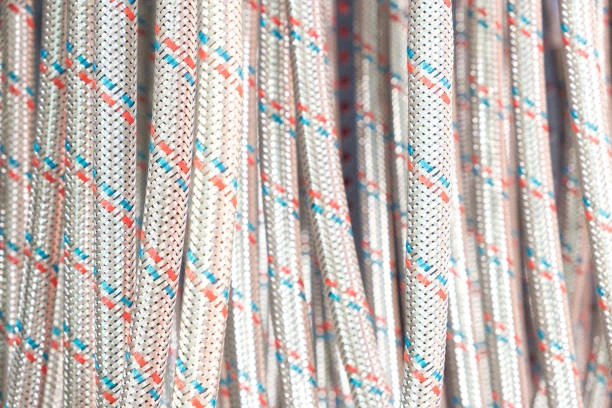
Braided hose pipes have become indispensable components in modern medical technology, enabling critical fluid management and device functionality in surgical, diagnostic, and therapeutic settings. Their reinforced construction provides the durability and flexibility required for precise medical operations while meeting stringent biocompatibility standards. This article explores the specialized role of braided hoses in healthcare, offering insights into their design, applications, and compliance with medical regulations.
Common Medical-Related Questions (FAQ)
1. What materials ensure biocompatibility in medical braided hoses?
Medical-grade hoses use FDA-approved materials like platinum-cured silicone, PTFE, and 304L stainless steel. These materials comply with ISO 10993 standards, ensuring they don’t trigger immune responses or leach harmful substances when in contact with bodily fluids.
2. How are these hoses sterilized for medical use?
Common methods include:
- Steam sterilization (SIP): At 121-134°C for 15-30 minutes
- Chemical sterilization (CIP): Using peracetic acid or hydrogen peroxide solutions
- Gamma irradiation: For single-use components
Platinum-cured silicone hoses are particularly suited for repeated autoclaving.
3. What medical fluids can these hoses transport?
They handle:
- Blood and plasma in dialysis machines
- Contrast agents in imaging systems
- Chemotherapy drugs in infusion pumps
- Saline solutions in endoscopic irrigation
- Respiratory gases in ventilator circuits
4. Are there specific certifications required?
Yes, medical hoses must meet:
- FDA 21 CFR Part 177.2600 (food contact)
- ISO 13485 (quality management)
- USP Class VI certification (biological reactivity)
- ISO 10993-5 (cytotoxicity testing)
5. What pressure ratings are suitable for medical devices?
Most medical hoses operate between 0.5-10 bar, though some surgical tools require up to 30 bar. Stainless steel braided variants maintain structural integrity even under pulsatile blood pressure conditions.
What Defines a Medical-Grade Braided Hose?
Medical braided hoses combine three specialized layers:
- Inner Liner: Directly contacts biological media. Common materials include:
- Platinum-cured silicone (superior purity)
- PTFE (chemical inertness)
- Thermoplastic elastomers (TPE) for disposable applications
- Reinforcement Layer: Medical-grade stainless steel (304/316L) or Kevlar® braiding provides:
- 40-60% higher burst pressure resistance than non-reinforced hoses
- Enhanced kink resistance for precise surgical tool positioning
- Vibration dampening for sensitive diagnostic equipment
- Outer Jacket: Protects against environmental factors:
- Polyurethane (abrasion resistance)
- EPDM rubber (chemical resistance)
- Clear PVC (visual flow monitoring in IV lines)
The braiding process uses precision weaving machines to create hexagonal mesh patterns, distributing stress evenly. This construction allows hoses to withstand more than 500,000 flex cycles without cracking – critical for robotic surgical systems.
Critical Medical Applications and Device Integration
Braided hoses enable core functionalities across key medical sectors:
Hemo dialysis Systems
- Blood purification circuits handle 300-500 mL/min flow rates
- Specialized hoses resist protein adhesion and clotting
- PTFE-lined hoses manage heparin infusion in anticoagulation systems
Endoscopic Procedures
- Flexible braided hoses navigate complex anatomical pathways
- Clear hoses allow real-time visualization of fluid flow
- Working channels in gastroscopes use 2.8-4.2mm diameter hoses
Surgical Robotics
- Da Vinci surgical system hoses transmit CO2 insufflation gases
- High-flex variants withstand 180° bending without flow restriction
- Electrically conductive braiding prevents ESD in laparoscopic tools
Anesthesia Delivery
- Breathing circuits use antimicrobial-coated hoses
- Vaporizer connections require precise pressure gradients (20-35 cmH2O)
- Coaxial designs separate fresh gas flow from expired gases
Pharmaceutical Manufacturing
- Aseptic transfer hoses meet cGMP standards
- Peristaltic pump tubing handles viscous formulations
- EPDM hoses resist aggressive cleaning agents (NaOH, H2O2)
Compliance and Safety in Medical Hose Selection
Choosing the right medical hose involves rigorous validation:
- Biocompatibility Testing: Must pass ISO 10993-5 (cytotoxicity), ISO 10993-10 (irritation), and ISO 10993-11 (systemic toxicity)
- Sterilization Compatibility: Validate material stability after 50+ autoclave cycles
- Fluid Compatibility: Check for chemical degradation when exposed to drugs like doxorubicin or contrast agents
- Mechanical Testing: Confirm burst pressure exceeds maximum operating pressure by 3x
- Shelf Life Validation: Accelerated aging tests at 55°C to simulate 5-year storage
For example, hoses used in positron emission tomography (PET) scanners must withstand annual ethylene oxide sterilization while maintaining F-18 fluoride ion resistance.
Future Innovations in Medical Braided Hose Technology
Emerging developments promise to expand capabilities:
- Graphene-enhanced silicone: Increases thermal conductivity for cryoablation devices
- Drug-eluting coatings: Localized chemotherapy delivery through hose walls
- Smart hoses: Embedded fiber optics monitor flow rates and detect blockages
- 4D-printed braiding: Shape-memory alloys enabling self-adjusting configurations
Researchers are also exploring nanofiber braiding to create hoses with 80% greater porosity control for advanced wound care applications.
Conclusion
Braided hose pipes represent a convergence of engineering precision and biomedical innovation. Their ability to maintain sterile, uninterrupted fluid flow under demanding conditions makes them vital to everything from open-heart surgery to point-of-care diagnostics. As medical technology evolves toward minimally invasive procedures and personalized treatment, the role of specialized braided hoses will only grow more critical, driven by advancements in materials science and smart manufacturing. By adhering to strict regulatory standards while embracing new technologies, these hoses will continue enabling life-saving medical breakthroughs.
IFAN International Standards
To meet global quality demands, IFAN HDPE pipes follow a wide range of international standards, such as ASTM D3035, ISO 4427, EN 12201, and GB/T 13663. These standards define the pipe’s strength, durability, and safety. Moreover, IFAN complies with DIN 8074/8075, AS/NZS 4130, JIS K6760, BS 6572, and CSA B137.1, making their products suitable for water, gas, and industrial systems worldwide. Because IFAN meets all these trusted certifications, users can confidently choose IFAN for reliable performance in any environment.
Contact Us
If you have any questions about cold taps or need help selecting the right model, feel free to reach out to our team. We offer expert advice and support tailored to your industry and application.
IFAN is a Chinese manufacturer of plastic pipes, fittings and valves with 30 years of experience. If you are interest in IFAN copper fittings, copper valves, plastic pipes and fittings, please contact us. IFAN offers you a variety of standard pipes to meet your specific needs. Click below to learn more about IFAN’s wide range of affordable and cost-effective valve products and piping system related products.
We will reply your email or fax within 24 hours.
You can call us at any time if there is any question on our production.
For more information,pls visit our webside https://www.waterpipefactory.com/
Pls Mailto: [email protected]
Whatsapp: + 86 152 1588 7738