
Unveiling the World of HDPE Pipe Manufacturers: Key Insights and Considerations
In the vast realm of infrastructure and construction, HDPE (High-Density Polyethylene) pipes play a vital role. These pipes, celebrated for their versatile applications and durability, have witnessed a surge in demand across various industries. When it comes to sourcing HDPE pipes, choosing the right manufacturer is paramount. In this extensive article, we embark on a journey through the world of HDPE pipe manufacturers, uncovering industry insights, critical considerations, and factors to guide you in making an informed decision.IFAN factory with 30+ years of manufacturing experience supports color/size customization and free samples. Welcome to consult for catalog and free samples. :: +.
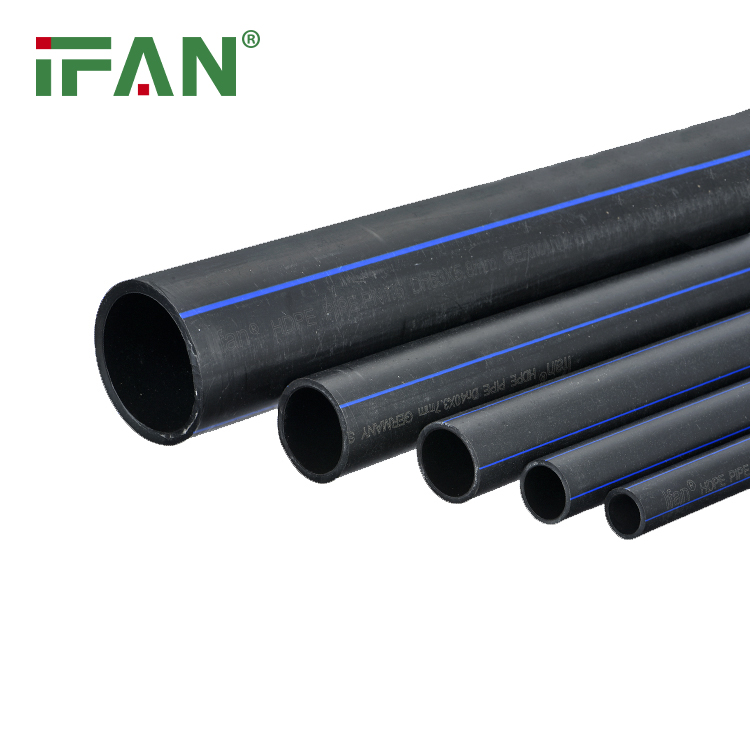
I. The Significance of HDPE Pipe Manufacturers
HDPE pipes, manufactured by HDPE pipe manufacturers, are crucial elements in modern infrastructure projects. Their widespread usage can be attributed to several key features:
- Durability: HDPE pipes are renowned for their resilience in diverse environmental conditions, ensuring long-term reliability.
- Lightweight: The lightweight nature of HDPE pipes simplifies transportation, handling, and installation, leading to cost savings.
- Corrosion Resistance: HDPE pipes are immune to corrosion, making them suitable for water and wastewater applications.
- Flexibility: Their flexibility allows for easy adaptation to various terrains and installation conditions, reducing the need for additional fittings and joints.
II. Selecting the Right HDPE Pipe Manufacturer
Choosing the right HDPE pipe manufacturer is the cornerstone of securing high-quality materials for your projects. Several factors should influence your decision:
- Reputation and Experience: Opt for HDPE pipe manufacturers with a reputable history and a track record of delivering top-notch products.
- Certification and Compliance: Ensure that the manufacturer’s HDPE pipes meet industry standards and regulations, often indicated by relevant certifications.
- Product Range and Customization: Evaluate the variety of HDPE pipe products offered, as well as the manufacturer’s ability to provide customized solutions to meet specific project requirements.
- Availability and Lead Times: Timely delivery is essential for project efficiency; reliable manufacturers typically maintain adequate stock or offer short lead times.
- Customer Support: Excellent customer support, including prompt responses to inquiries, technical assistance, and after-sales support, can significantly simplify the procurement process.
III. Applications Across Industries
HDPE pipes manufactured by HDPE pipe manufacturers are versatile and find applications in various sectors:
- Water Distribution
- HDPE pipes are a staple in water distribution systems, both for potable water and irrigation purposes. Their corrosion resistance and long service life make them cost-effective for municipalities and water utilities.
- Gas Transmission
- Natural gas distribution demands pipes that can endure different environmental conditions. HDPE pipes are favored for their durability, low maintenance, and reliability in gas transmission networks.
- Mining
- The mining industry relies on HDPE pipes for slurry and tailings transport due to their remarkable abrasion resistance. These pipes help reduce maintenance and replacement costs, making them an ideal choice for mining applications.
- Agricultural Irrigation
- Agricultural irrigation systems use HDPE pipes to deliver water efficiently and sustainably. The pipes’ flexibility and corrosion resistance make them ideal for agricultural irrigation projects.
IV. Regional Insights on HDPE Pipe Manufacturers
The prominence and availability of HDPE pipe manufacturers can vary by region. Understanding the regional landscape is crucial for making informed decisions.
- North America
- North America boasts a thriving market of HDPE pipe manufacturers, given the extensive utilization of these pipes in water distribution, gas transmission, and industrial applications. Both local and international manufacturers cater to the region’s high demand.
- Europe
- Europe has seen an upsurge in the adoption of HDPE pipes in recent years, primarily in water and wastewater applications. Local manufacturers often provide products that adhere to European standards and regulations.
- Asia-Pacific
- The Asia-Pacific region has experienced significant growth in the use of HDPE pipes in construction, infrastructure, and agriculture. A mix of local and international manufacturers serves the burgeoning demand in this region.
- Middle East and Africa
- Owing to harsh environmental conditions, HDPE pipes are widely utilized in the Middle East and Africa, particularly for water distribution and mining applications. Many manufacturers in this region specialize in products suited to arid and challenging environments.
V. Diverse Types and Varieties of HDPE Pipes
HDPE pipes come in various types and varieties, each designed to cater to specific industry requirements. Understanding the different types of HDPE pipes can facilitate the selection of the most suitable option for your project. Some common types include:
- PE 80 and PE 100: Classification based on strength and pressure rating, where PE 100 pipes are suitable for higher-pressure applications, and PE 80 pipes are typically used for lower-pressure applications.
- SDR (Standard Dimension Ratio): A ratio representing the outside diameter of the pipe to its wall thickness, which determines the pipe’s suitability for specific pressure applications.
- Coil and Straight Length: Available in both coil and straight length formats, with coiled pipes being convenient for installations that require bending and flexibility, while straight lengths are used for more rigid applications.
- Fusion Jointing Methods: HDPE pipes are joined using various fusion methods, including butt fusion, electrofusion, and socket fusion, depending on the application and project requirements.
VI. Environmental Considerations
In today’s world, water conservation is a critical issue, with the United States alone requiring over $1 trillion to maintain its water infrastructure. Addressing this challenge requires innovative and sustainable solutions, and AGRU is at the forefront of this effort with its high-density polyethylene (HDPE) pipes.
Innovative Solutions for Modern Challenges
AGRU is committed to providing cutting-edge solutions to current environmental problems. By focusing on innovation, they have developed a range of HDPE pipes and fittings specifically designed to address water conservation needs. These products are not just about moving water efficiently but also about minimizing losses and ensuring sustainable usage.
The Role of HDPE Pipes in Water Conservation
HDPE pipes are known for their strength, durability, and resistance to corrosion, which makes them an ideal choice for water conservation efforts. Their design ensures minimal leakage and long-lasting performance, reducing the need for frequent replacements and repairs. These pipes also support efficient water distribution systems, which helps save water that would otherwise be lost due to leaks in outdated infrastructure.
A Commitment to Sustainability
The development of these HDPE products reflects a broader commitment to sustainability within the industry. By investing in advanced materials and engineering practices, AGRU not only addresses immediate water conservation issues but also sets the standard for future infrastructure projects. This proactive approach spearheads a collaborative effort towards a sustainable future, ensuring that water resources are preserved for generations to come.
Through these initiatives, AGRU’s HDPE pipes are making a significant impact on water conservation, demonstrating a clear alignment with the global need for sustainable infrastructure solutions.
VII. Quality Assurance and Testing for HDPE Pipes
To ensure the quality and reliability of HDPE pipes, HDPE pipe manufacturers perform thorough testing and quality assurance measures:
- Hydrostatic Testing: This test subjects the pipes to internal pressure to assess their ability to withstand the rated pressure without leaking or bursting.
- Tensile Testing: Tensile testing evaluates the pipes’ ability to withstand axial stress and elongation, an important factor in determining their durability.
- Impact Testing: This test assesses the resistance of HDPE pipes to impact or sudden shock, ensuring they can withstand external forces without cracking or breaking.
- Melt Flow Rate (MFR): Melt flow rate measures the flowability of the HDPE material, an essential test for understanding its processability and quality.
- Quality Control Documentation: Manufacturers should provide comprehensive quality control documentation, including test reports, certificates, and compliance statements, to ensure transparency and accountability.
VIII. Choosing the Right HDPE Pipe for Your Project
Selecting the appropriate HDPE pipe for your project is contingent on multiple factors, such as:
- Project Requirements: Understand the specific needs of your project, including pressure rating, size, and application, to select the most suitable HDPE pipe type.
- Supplier Reputation: Choose a reputable HDPE pipe manufacturer with a history of delivering quality products, supported by certifications, compliance with industry standards, and positive customer feedback.
- Customization Options: For projects with unique requirements, look for manufacturers who can provide customized solutions to meet your needs.
IX. Maintenance and Repair of HDPE Pipes
HDPE pipes are known for their low maintenance requirements, but periodic inspections and maintenance activities can extend their service life. Maintenance tasks may include:
- Visual Inspections: Regular visual inspections can identify visible issues like scratches, cracks, or surface damage, allowing for prompt repairs to prevent further damage.
- Leak Detection: While HDPE pipes have low leakage rates, periodic checks for signs of leaks or seepage are essential to ensure timely repairs and prevent further damage.
- Cleaning: Cleaning the internal surfaces of HDPE pipes helps maintain flow efficiency, with the frequency depending on the transported material.
- Proper repair methods are essential to maintain the pipes’ structural integrity.
X. Future Trends in HDPE Pipe Manufacturing
The HDPE pipe manufacturing industry continues to evolve with advancements in technology and materials. Emerging trends and innovations to watch for include:
- Enhanced Resins: Manufacturers are developing new HDPE resins with improved characteristics, such as higher strength, enhanced resistance to chemicals, and greater flexibility.
- Smart Pipe Technology: Integration of sensors and monitoring systems to detect leaks, assess pipe conditions, and optimize maintenance schedules, enhancing efficiency and reliability.
- Sustainability Initiatives: The industry’s growing focus on sustainability, with manufacturers and end-users actively participating in recycling programs and promoting the circular economy for HDPE pipes.
- Larger Diameter Pipes: The demand for larger diameter HDPE pipes is on the rise, particularly in water transmission and infrastructure projects, leading manufacturers to scale up to meet these requirements.
Conclusion
HDPE pipes, manufactured by dedicated HDPE pipe manufacturers, are a linchpin in numerous industries, characterized by their durability, corrosion resistance, and flexibility. Selecting the right HDPE pipe manufacturer is pivotal for the success of your project. By understanding the applications, types, and environmental benefits of HDPE pipes, you can make informed decisions that cater to your project’s specific needs. Not only are HDPE pipes durable and reliable, but they also contribute to sustainability and environmental protection. As technology advances, the HDPE pipe manufacturing industry will continue to evolve, offering even more innovative solutions for diverse applications. Make sure to consider the reputation, certifications, and customization options when selecting an HDPE pipe manufacturer to embark on a successful journey in the world of infrastructure and construction.
IFAN
IFAN factory started in 1993. And IFAN has a workshop of 120000 square meters with 610 staff. IFAN can design and produce all plumbing pipe and fitting including PPR, PVC, CPVC PPSU HDPE PEXA PEXB PERT pipe and fitting, brass fitting, brass ball valve, heating system, gas system, sanitary faucets, and hose, In the past 30 years, IFAN has never forgotten his mission-To protect health and safety. And IFAN factory uses the best materials to produce high-quality pipe and fittings with an automatic production line and high-tech quality control machines.
Connect
IFAN is a Chinese manufacturer of plastic pipes, fittings and valves with 30 years of experience. If you are interest in IFAN copper fittings, copper valves, plastic pipes and fittings, please contact us. IFAN offers you a variety of standard pipes to meet your specific needs. Click below to learn more about IFAN’s wide range of affordable and cost-effective valve products and piping system related products.
We will reply your email or fax within 24 hours.
You can call us at any time if there is any question on our production.
For more information,pls visit our webside https://www.waterpipefactory.com/
Pls Mailto: [email protected]
Whatsapp: + 86 152 1588 7738
How does WL Plastics ensure the durability and cost-effectiveness of their
polyethylene pipes?
How Does WL Plastics Ensure the Durability and Cost-Effectiveness of Their Polyethylene Pipes?
Durability and Long-Lasting Performance
WL Plastics enhances the durability of their pipes by using high-density and medium-density polyethylene (HDPE & MDPE). These materials are chosen for their robust nature, which minimizes the frequency and expense associated with repairs or replacements. By ensuring high-quality production, their pipes withstand the test of time, reducing the risk of leakage that often accompanies alternative materials.
Cost-Effective Design and Implementation
The lightweight construction of these polyethylene pipes significantly cuts down on shipping and handling expenses. This design not only makes transportation more economical but also simplifies the installation process, saving both time and labor costs. Additionally, the pipe’s smooth internal surface greatly reduces resistance to fluid flow, leading to lower pumping and operational expenses.
Top-Notch Manufacturing Standards
To achieve these benefits, WL Plastics employs advanced manufacturing processes backed by strict quality controls. Experienced personnel oversee production, ensuring that every pipe meets rigorous industry standards. This commitment to excellence ensures they remain one of the most efficient producers of pressure pipes in the market.
By focusing on these key areas, WL Plastics provides a reliable and cost-effective piping solution, catering to diverse industrial needs while keeping operational costs manageable.
What applications does lscO Industries provide HDPE piping solutions for?
How Does WL Plastics Ensure the Durability and Cost-Effectiveness of Their Polyethylene Pipes?
Durability and Long-Lasting Performance
WL Plastics enhances the durability of their pipes by using high-density and medium-density polyethylene (HDPE & MDPE). These materials are chosen for their robust nature, which minimizes the frequency and expense associated with repairs or replacements. By ensuring high-quality production, their pipes withstand the test of time, reducing the risk of leakage that often accompanies alternative materials.
Cost-Effective Design and Implementation
The lightweight construction of these polyethylene pipes significantly cuts down on shipping and handling expenses. This design not only makes transportation more economical but also simplifies the installation process, saving both time and labor costs. Additionally, the pipe’s smooth internal surface greatly reduces resistance to fluid flow, leading to lower pumping and operational expenses.
Top-Notch Manufacturing Standards
To achieve these benefits, WL Plastics employs advanced manufacturing processes backed by strict quality controls. Experienced personnel oversee production, ensuring that every pipe meets rigorous industry standards. This commitment to excellence ensures they remain one of the most efficient producers of pressure pipes in the market.
By focusing on these key areas, WL Plastics provides a reliable and cost-effective piping solution, catering to diverse industrial needs while keeping operational costs manageable.
What materials are Ashirvad HDPE Pipes made from and for what applications
are they used?
HDPE pipes are crafted from high-density polyethylene, a robust thermo-plastic known for its resilience and durability. This superior material is sourced as virgin-grade HDPE to ensure quality and endurance.
These pipes come in different raw material grades such as PE-63, PE-80, and PE-100, meeting strict BIS specifications like IS 4984, which further underscores their reliability.
Applications of HDPE Pipes
HDPE pipes serve a wide range of practical applications, including:
- Potable Water Transmission: Ideal for safe and secure delivery of drinking water.
- Irrigation Systems: Perfect for agricultural settings, ensuring efficient water usage.
- Bore-Well Operations: Durable enough to support deep-bore water extraction.
With their state-of-the-art manufacturing, these pipes are engineered to provide cost-effective solutions across various pressure ratings, making them versatile for multiple uses.
What are the attributes of HDPE pipes manufactured by Speed Field Services?
HDPE (High-Density Polyethylene) pipes boast several qualities making them an excellent choice for various industries. Here’s a closer look at their attributes:
- Corrosion and Chemical Resistance: HDPE pipes are known for their ability to withstand harsh chemicals and resist corrosion, ensuring longevity even in challenging environments.
- Versatile Size Range: These pipes come in a wide range of diameters, suitable for both small-scale and large-scale projects.
- Lightweight and Flexible: Despite their strength, HDPE pipes are lightweight, which simplifies transportation and installation. Their flexibility also allows for easier routing around obstacles.
HDPE pipes are commonly used in diverse applications such as potable and wastewater systems, slurry transport, and the handling of chemicals and hazardous waste. This adaptability makes them a top choice for industries ranging from agriculture to mining and marine.
What markets does United Poly Systems serve with its HDPE pipes?
Haili Pipeline
Haili Pipeline offers a diverse array of piping solutions tailored for various applications. Their lineup includes:
- Polyethylene (PE) Water Pipes: Ideal for efficient water distribution systems.
- Polyethylene (PE) Gas Pipes: Specifically designed for safe and dependable natural gas transportation.
- Polyethylene (PE) Mine Pipes: Built to withstand the rigors of mining operations.
- PE Sprinkler and Irrigation Pipes: Essential for effective agricultural watering systems.
- PVC-U Water Supply Pipes: Perfect for mainstream water supply needs.
- PE Steel-Reinforced Drainage Pipes: Strengthened for handling drainage responsibilities, especially under heavy loads.
These products from Haili Pipeline serve critical roles in a broad spectrum of uses, from rainwater collection and sewage management to industrial fluid transport, ensuring reliable performance across diverse environments.
What factors are driving the demand for HDPE pipelines in the oil and gas
industry?
The oil and gas sector is increasingly gravitating toward HDPE (High-Density Polyethylene) pipelines, thanks to several compelling factors. Here are the primary reasons fueling this demand:
1. Durability and Longevity
HDPE pipelines are renowned for their exceptional durability. They resist corrosion and chemical reactions, making them ideal for transporting aggressive substances. This longevity reduces maintenance costs, a crucial consideration for long-haul pipeline projects.
2. Cost-Effectiveness
The lower initial cost of HDPE piping compared to traditional metal pipes, combined with reduced maintenance expenses, makes them a cost-effective choice. This affordability appeals to companies looking to optimize their budgets.
3. Flexibility and Strength
HDPE’s flexibility allows it to withstand environmental stresses such as ground movement and temperature fluctuations without cracking or breaking. This property is particularly beneficial in areas prone to seismic activity.
4. Easy Installation
The lightweight nature of HDPE pipes simplifies transport and installation, reducing labor costs and time. This ease of installation is complemented by methods like fusion welding, which ensure leak-proof joints.
5. Environmental Considerations
As companies become more environmentally conscious, HDPE’s non-toxic nature and recyclability play a crucial role. Its production and disposal have a reduced environmental impact compared to traditional materials.
These factors combine to make HDPE pipelines an attractive option in the evolving landscape of the oil and gas industry, where efficiency, cost, and sustainability are paramount.
What is the raw material used for HDPE pipes?
High-Density Polyethylene (HDPE) pipes are crafted from a resilient type of plastic known as thermo-alkathene polymers, specifically composed of HDPE material. These pipes are known for their strength and durability, making them an ideal choice for transporting potable water, irrigation systems, and bore-well applications.
The manufacturing process involves using virgin, high-quality HDPE material that meets strict standards such as the BIS specification IS 4984. This raw material comes in various grades, including PE-63, PE-80, and PE-100. Each grade offers different pressure ratings, allowing for versatile applications across different industries.
What type of fittings are required for polyethylene pipes?
Polyethylene pipes, commonly referred to as PE pipes, such as High-Density Polyethylene (HDPE) and Low-Density Polyethylene (LDPE), require specialized fittings to ensure a secure and efficient system. Here’s a detailed breakdown of the types of fittings you might need:
Compression Fittings
These are popular for PE pipes due to their ease of installation. They work by compressing the pipe to create a strong seal, requiring no special tools.
Electrofusion Fittings
Ideal for creating joints that are both robust and leak-proof, electrofusion fittings employ an electrical current to weld the pipe and fitting together.
Butt Fusion Fittings
These are used when you need a seamless connection. The process involves heating the pipe and fitting ends and then pressing them together to form a continuous bond.
Socket Fusion Fittings
By heating both the pipe and fitting ends, these fittings are inserted into one another to create a strong, homogeneous joint.
Flange Adapters
Used to connect PE pipes to other materials, flange adapters create a strong and flexible link.
Each type of fitting serves specific needs, so consider the requirements of your project—pressure tolerance, flexibility, and durability—when choosing the right fitting. These components ensure your PE piping system operates effectively and reliably.
How does P&F Distributors support polyethylene piping projects?
P&F Distributors stands out as a key partner in the polyethylene piping industry through a multi-faceted approach designed to support successful project outcomes. Here’s how they achieve this:
Comprehensive Inventory
With an extensive stock of high-density polyethylene (HDPE) pipes, fittings, and fusion equipment, P&F ensures that clients have immediate access to the materials they need. This readiness helps prevent project delays and keeps timelines on track.
Expert Collaboration
Since 1969, P&F Distributors has partnered with design engineers, municipalities, and contractors. This collaboration leverages decades of experience to offer innovative solutions tailored to meet the specific demands of various projects.
Quality Assurance
The company prioritizes delivering top-quality products. Their commitment is evident in the premium-grade materials they supply, which are crucial for ensuring the longevity and reliability of piping systems.
Skilled Support Team
P&F Distributors boasts a sales team that is not just experienced, but also equipped with specialized knowledge to provide insightful advice and support. Additionally, their factory-trained fusion technicians are on hand to guarantee precise and effective installation of piping systems.
In summary, P&F Distributors propels polyethylene piping projects to success through robust inventory management, strategic partnerships, a steadfast focus on quality, and a dedicated team of experts ready to assist at every step.
What are the top 10 HDPE pipe manufacturers?
Discover the Leading HDPE Pipe Manufacturers
Choosing the right HDPE pipe manufacturer is crucial for distributors seeking reliable suppliers with competitive pricing and top-tier service. We’ve curated a list of ten top manufacturers in this field to assist you in making informed decisions. This list is based on comprehensive research and is not ranked in any specific order.
1. WL Plastics
WL Plastics stands out in North America for its superior polyethylene pipes, known for their durability and efficiency. Their pipes offer cost savings in shipping and installation due to their lightweight nature, and they also minimize liquid flow resistance, leading to reduced pumping costs. WL Plastics invests heavily in state-of-the-art equipment to boost production efficiency, ensuring quick delivery and high-quality standards.
2. ISCO Industries
Based in Louisville, KY, ISCO Industries offers a global range of customized HDPE piping solutions. They cater to diverse sectors, including geothermal, industrial, and municipal applications. Known for their wide inventory and innovative solutions, ISCO is a trusted partner in HDPE piping projects.
3. Speed Field Services
This manufacturer specializes in both standard and custom HDPE pipes for sectors such as marine, mining, and agriculture. Their products are noteworthy for their flexibility, light weight, and resistance to corrosion and chemicals, making them suitable for various demanding environments.
4. AGRU
AGRU is dedicated to addressing modern challenges through innovative HDPE solutions worldwide. Focused on water conservation, their products help maintain critical infrastructure sustainably. AGRU’s commitment to high standards makes them a pivotal player in tackling societal issues related to water management.
5. Shandong Haili Pipeline Technology
With a substantial production capacity, Shandong Haili Pipeline Technology offers a comprehensive range of HDPE pipes and fittings. Their products serve varied applications, from water supply to industrial transport, positioning them as leaders in the Asian market.
6. United Poly Systems
Operating from Missouri and New Mexico, United Poly Systems provides high and medium-density polyethylene pipes to sectors like telecommunications and renewables. Their adherence to strict standards ensures reliable solutions for infrastructure projects in the energy sector.
7. HDPE, Inc.
A trusted partner known as “Your Partner In The Trenches,” HDPE, Inc. provides quality materials and professional installation services. Their HDPE pipes are favored by engineers and contractors for their resilience and effectiveness in field applications.
8. P&F Distributors
Since 1969, P&F Distributors has been a cornerstone in the HDPE pipe supply chain. Collaborating with engineers and contractors, they offer a vast inventory of HDPE pipes, fittings, and fusion equipment, ensuring top-notch project execution.
9. Ashirvad HDPE Pipes
Ashirvad focuses on manufacturing HDPE pipes using high-grade polymers, offering durability and efficiency in applications like water conveyance and irrigation. Adhering to stringent specifications, they ensure their pipes meet the highest standards.
10. Axis Endustri
Axis Endustri manufactures valves and HDPE fittings while maintaining a robust supply chain for various types of pipes and fittings across different sectors, including oil and gas. Their compliance with international standards guarantees reliability in diverse projects.
These manufacturers provide a wide array of HDPE pipes and solutions, ensuring you have the quality and reliability necessary for your projects.
What types of products does Axis Endustri manufacture and supply?
Axis Endustri specializes in producing high-quality valves and HDPE fittings designed to meet international standards. In addition to their manufacturing expertise, they offer a wide range of supply options, including:
supply options
- GRP Pipes
- HDPE Pipes
- PVC Pipes
- API Pipes
They also provide a diverse selection of fittings made from various materials. Their comprehensive range of valves and related components caters to needs in potable water, sewage management, industrial applications, and the oil and gas sector.
What are some tips for cleaning polyethylene water pipes?
Maintaining the cleanliness of polyethylene water pipes is essential for ensuring a safe and efficient water supply. Here are some effective tips to help keep your pipes in optimal condition:
Regular Flushing:
- Flush the pipes with water at high pressure periodically to remove debris and sediments.
- Use a hose with a nozzle or a power washer for more thorough cleaning.
Maintenance Tips
- Inspect Regularly: Routinely check for leaks or signs of wear to address issues early.
- Monitor Water Quality: Regularly test your water to identify any potential contaminants.
- Install Filters: Use water filters at the source to reduce debris entering the system.
By incorporating these cleaning and maintenance strategies, you can ensure that your polyethylene water pipes deliver clean and safe water.
What are steel wire mesh composite pipes used for?
Steel wire mesh composite pipes are engineered for a range of demanding applications due to their unique construction and versatile properties. Comprising a robust combination of steel wire and plastic layers, these pipes offer enhanced durability and performance.
Key Applications
- Oil and Gas Industry
- Widely used for transporting oil, natural gas, and other petrochemicals.
- Known for their resistance to high pressure and corrosion, making them ideal in harsh environments.
- Water Supply Systems
- Perfect for drinking water systems due to their hygienic properties and durability.
- Provide a reliable solution for both urban and rural water supply needs.
- Industrial and Chemical Transport
- Ideal for transporting various chemicals with high safety and reliability.
- Their construction ensures minimal risk of leakage and contamination.
Advantages
- High Strength and Durability: The combination of steel wire and plastic layers enhances the pipe’s strength, allowing it to withstand high pressure and external mechanical impacts.
- Corrosion Resistance: Unlike traditional metal pipes, these composites are less prone to corrosion, ensuring a longer lifespan.
- Versatility: They are adaptable to a range of fluids and gases, making them suitable for numerous applications.
Steel wire mesh composite pipes offer a robust and flexible solution for industries requiring reliable conduit systems, proving their worth across multiple sectors.
Why is HDPE becoming a material of choice for engineers and contractors?
HDPE pipes, manufactured by leading HDPE pipe manufacturers, are crucial elements in modern infrastructure projects. Their widespread usage can be attributed to several key features:
- Durability: HDPE pipes are renowned for their resilience in diverse environmental conditions, ensuring long-term reliability.
- Lightweight: The lightweight nature of HDPE pipes simplifies transportation, handling, and installation, leading to cost savings.
- Corrosion Resistance: HDPE pipes are immune to corrosion, making them suitable for water and wastewater applications.
- Flexibility: Their flexibility allows for easy adaptation to various terrains and installation conditions, reducing the need for additional fittings and joints.
conclusion
These features make HDPE a material of choice for engineers and contractors. As infrastructure demands grow, professionals increasingly seek reliable solutions that combine performance and efficiency. HDPE excels in this regard due to its versatility and cost-effectiveness.
Moreover, the robust network of HDPE providers ensures that high-quality materials and professional installation services are readily available. This accessibility not only boosts confidence in HDPE’s long-term performance but also supports a seamless project execution, making it a preferred option in the construction and engineering sectors.
How do HDPE pipes contribute to water management in agriculture?
Revolutionizing Water Management in Agriculture
High-Density Polyethylene (HDPE) pipes are at the forefront of transforming water management in agriculture. These pipes are not only utilized for irrigation but also play a crucial role in efficient water distribution and conservation practices.
Benefits of HDPE Pipes in Agriculture
- Flexibility and Corrosion Resistance
- Agricultural irrigation systems use HDPE pipes to deliver water efficiently and sustainably. The pipes’ flexibility and corrosion resistance make them ideal for agricultural irrigation projects.
- Efficient Water Distribution
- The lightweight nature of HDPE pipes facilitates easy installation and maintenance, allowing for seamless distribution across various terrains. This ensures even water distribution, reducing water wastage and enhancing crop yield.
- Long-term Sustainability
- With their durability and resistance to environmental stress, HDPE pipes contribute to long-term water management strategies. They help in minimizing leaks and maintaining consistent water pressure, crucial for sustainable farming practices.
By integrating these robust pipes into agricultural systems, farmers can optimize water usage, bolster crop production, and contribute to a more sustainable environmental footprint.
Why is it important for HDPE pipe distributors to select a stable supplier?
Choosing the right HDPE pipe manufacturer is the cornerstone of securing high-quality materials for your projects. For HDPE pipe distributors, it is critical to select a stable supplier, as this choice impacts both the consistency of product quality and the competitiveness of pricing. A stable supplier ensures that you receive favorable prices along with high-quality services, which are essential for maintaining a successful supply chain.
Several factors should influence your decision:
- Reputation and Experience: Opt for HDPE pipe manufacturers with a reputable history and a track record of delivering top-notch products.
- Certification and Compliance: Ensure that the manufacturer’s HDPE pipes meet industry standards and regulations, often indicated by relevant certifications.
- Product Range and Customization: Evaluate the variety of HDPE pipe products offered, as well as the manufacturer’s ability to provide customized solutions to meet specific project requirements.
- Availability and Lead Times: Timely delivery is essential for project efficiency; reliable manufacturers typically maintain adequate stock or offer short lead times.
- Customer Support: Excellent customer support, including prompt responses to inquiries, technical assistance, and after-sales support, can significantly simplify the procurement process.
By considering these factors, distributors can form strong partnerships with stable suppliers who not only provide competitive pricing and quality services but also enhance overall operational efficiency and project success.