
can hdpe be solvent welded?
Examining the Challenges and Alternatives for Joining High-Density Polyethylene Piping
However, due to chemical resistance, HDPE cannot be readily solvent welded. This article explores the challenges of solvent welding HDPE, available alternatives, and when it may work.IFAN factory with 30+ years of manufacturing experience supports color/size customization and free samples. Welcome to consult for catalog and free samples. :: +.
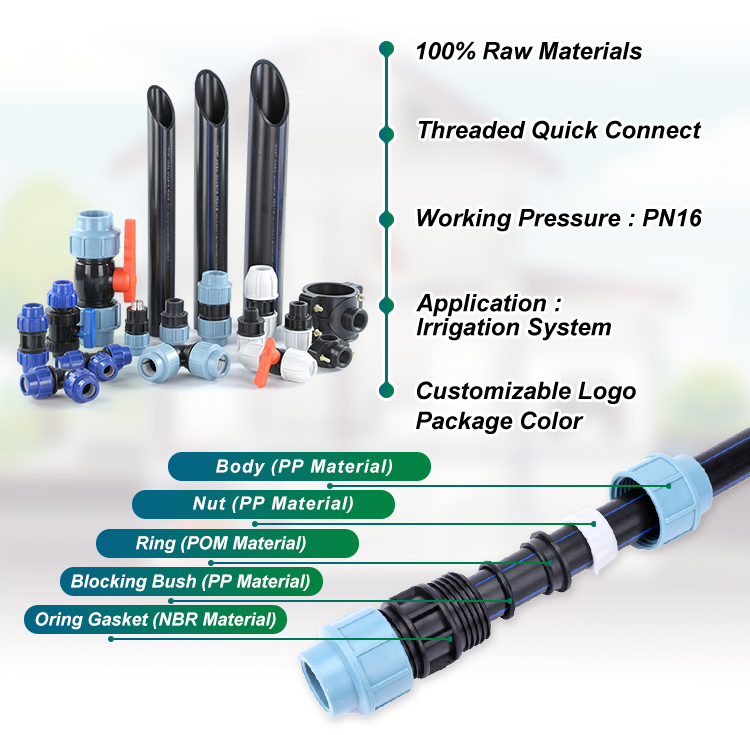
The Solvent Resistance of HDPE
HDPE demonstrates broad chemical resistance thanks to its nonpolar structure which lacks sites for polar solvents to attack. Resistance characteristics include:
- Inertness to acids, bases, and salts across the pH range
- Impermeability to aliphatic, aromatic, and chlorinated hydrocarbons
- Immunity to oils, fuels, alcohols, and moderate organic chemicals
- Resilience against aggressive oxidizing agents like bleach
This resistance makes HDPE an excellent material for chemical handling but prevents dissolving HDPE to fuse joints using solvents.
Challenges Solvent Welding HDPE
The chemical makeup of HDPE prevents effective solvent welding due to:
- Lack of solubility – Common solvents do not dissolve HDPE.
- Slow solvent diffusion – HDPE’s dense structure inhibits penetration.
- Narrow welding window – The brief softening does not persist.
- Low intermolecular attraction – Weak HDPE solvent joints result.
- Olefinic polymers resist polymer chain entanglement.
Together these factors eliminate solvents as a viable HDPE pipe joining technique.
Alternate Joining Methods for HDPE Piping
While solvent welding proves ineffective, several alternate methods produce strong HDPE joints:
- Butt Fusion – Heated pipe ends pressed together creates monolithic welds.
- Socket Fusion – Using heated tools to melt pipe ends into sockets.
- Electrofusion – Electric coils melt the joint between pipes and fittings.
- Mechanical Joining – Flanges, compression rings, and clamps provide tight seals.
When Might HDPE Be Solvent Weldable?
Theoretically, at extremely high molar concentrations and/or elevated temperatures, certain aggressive solvents could fuse HDPE joints.
But practical considerations rule this out for piping applications:
- Safety and toxicity risks from volatile, dangerous solvents.
- Very narrow working times before the HDPE re-hardens.
- Inferior joint strength compared to heat fusion.
- Environmental containment difficulties due to solvent mobility.
The costs and dangers cannot justify this route for joining HDPE pipes.
Solvent Welding Other Polyethylene Piping
While pure HDPE resists solvent welding, some other polyethylene or linear polyolefin piping can get solvent welded under the right conditions:
- MDPE – Medium-density polyethylene can fuse with cyclohexane or xylene softening.
- LDPE – Lower-density “squeeze” polyethylene is more amorphous.
- Melt blend polymers like XLPE may sufficiently soften for brief bonding.
With trials and prudent safety controls, solvent welding proves occasionally usable for select non-HDPE polyethylene plastics.
Solvent Bonding Considerations and Limitations
A few key factors apply when attempting to solvent solvent-bond polyethylene plastics:
- Limited strength compared to heat-fused joints.
- Acute sensitivity to joint preparation and precise solvent delivery.
- Mechanically inferior wide “weld zones” result.
- Pressure containment relies primarily on extensive clamping.
- Environmental and safety risks demand extensive precautions.
Together these factors confirm solvents do not provide a viable production joining method for HDPE or PE pipe.
Heat Fusion Delivers Superior PE Piping Joints
For joining all polyethylenes, heat fusion produces precision, repeatable, high-integrity joints preferred for demanding applications like gas and chemical distribution:
- Butt fusion eliminates internal weld beads and contamination.
- Electrical fusion consistently heats and melts at precise temperatures.
- Sockets fuse both inside and out for integrity surpassing pipe walls.
- Localized heat and pressure create narrow, incredibly strong joints.
- Fusion bonding preserves chemical resistance and interior bore characteristics.
Contact us to recommend the ideal heat fusion methods for your HDPE or polyethylene piping systems.
In summary, the chemical makeup of HDPE and other polyethylenes makes reliably solvent-welding them impossible. For piping system designers, specifying heat fusion delivers unparalleled performance and safety.
IFAN
IFAN factory started in 1993. And IFAN has a workshop of 120000 square meters with 610 staff. IFAN can design and produce all plumbing pipe and fitting including PPR, PVC, CPVC PPSU HDPE PEXA PEXB PERT pipe and fitting, brass fitting, brass ball valve, heating system, gas system, sanitary faucets, and hose, In the past 30 years, IFAN has never forgotten his mission-To protect health and safety. And IFAN factory uses the best materials to produce high-quality pipe and fittings with an automatic production line and high-tech quality control machines.
Connect
IFAN is a Chinese manufacturer of plastic pipes, fittings and valves with 30 years of experience. If you are interest in IFAN copper fittings, copper valves, plastic pipes and fittings, please contact us. IFAN offers you a variety of standard pipes to meet your specific needs. Click below to learn more about IFAN’s wide range of affordable and cost-effective valve products and piping system related products.
We will reply your email or fax within 24 hours.
You can call us at any time if there is any question on our production.
For more information,pls visit our webside https://www.waterpipefactory.com/
Pls Mailto: [email protected]
Whatsapp: + 86 152 1588 7738
FAQS
Why is xylene considered a well-proven solvent for HDPE?
Why Xylene is a Proven Solvent for HDPE
Xylene is widely recognized as an effective solvent for high-density polyethylene (HDPE) due to its unique chemical properties and high solvating capability. Here’s a deeper look into why xylene is considered ideal for this purpose:
Chemical Compatibility
- Solvent Power: Xylene possesses strong solvating abilities, allowing it to dissolve HDPE efficiently. Its structure enables it to break down the polymer chains of HDPE, making it a suitable choice for processes requiring solvation.
Temperature Factors
- High Temperature Solvation: While xylene works effectively as a solvent, it functions optimally at elevated temperatures. This property helps in applications where temperature control is utilized to achieve optimal dissolution and processing of HDPE.
Proven Track Record
- Widespread Application: Industries leveraging HDPE for various products have consistently found xylene to be reliable, further proving its efficacy over numerous experiments and practical applications.
What is a good solvent for HDPE other than xylene?
Exploring Alternatives to Xylene for Dissolving HDPE
When looking for a solvent for high-density polyethylene (HDPE) that’s less harmful to both health and the environment, while also possessing a lower boiling point than xylene, consider a few possible options:
- Decalin (Decahydronaphthalene):
- Commonly used for its ability to dissolve HDPE effectively.
- Offers a relatively lower boiling point.
- Although it’s less harmful than some solvents, always verify safety datasheets and handle with care.
- Toluene:
- A well-known solvent that can work with HDPE.
- Slightly less hazardous compared to xylene.
- Ensure use in a well-ventilated area with appropriate protective equipment.
- Dichlorobenzene:
- Provides a similar dissolving capability.
- Has a slightly lower environmental impact but requires careful handling due to its toxicity levels.
Is high-density polyethylene (HDPE) more difficult to dissolve than low-density
polyethylene (LDPE)?
Yes, high-density polyethylene (HDPE) is more challenging to dissolve compared to low-density polyethylene (LDPE).
Here’s Why:
- Bond Strength and Crystallinity: HDPE has a more crystalline structure, resulting in stronger molecular bonds. This increased crystallinity makes the material more resilient and less amenable to dissolution.
- Melting Point Difference: The higher crystallinity of HDPE not only contributes to its strength but also results in a higher melting point compared to LDPE. This means HDPE requires more energy to break down, making it more resistant to solvents.
In summary, the structural and thermal characteristics of HDPE contribute to its greater difficulty in dissolving compared to LDPE.
What are the concerns related to using solvents with polyethylene, especiallyin terms of health and environment?
When considering solvents for use with polyethylene, such as HDPE (High-Density Polyethylene), several important factors related to health and environmental impact come into play. Understanding these concerns can guide you towards safer and more sustainable choices.
Health and Environmental Concerns
- Toxicity: Many traditional solvents used with plastics, including xylene, are known for their harmful health effects. Prolonged exposure can lead to respiratory issues, skin irritation, and other health risks. Choosing a solvent with a lower toxicity level is crucial for ensuring the safety of those who will handle or be exposed to it.
- Environmental Impact: The volatility and persistence of solvents are key factors in their environmental footprint. Solvents with high volatility tend to release more volatile organic compounds (VOCs) into the atmosphere, contributing to air pollution and potential long-term ecological harm. Opt for solvents with lower VOC emissions to minimize environmental damage.
- Solubility Challenges: Polyethylene, particularly HDPE, is known for its strong intermolecular bonds, making it challenging to dissolve without using aggressive solvents. This insolubility often leads to the use of harsh chemicals, which can be detrimental to both personal health and the environment.
How do molecular weight and side branching affect the properties of alkaneslike polyethylene?
When discussing alkanes such as polyethylene, their properties are greatly influenced by two key factors: molecular weight and the degree of side branching.
Molecular Weight
Molecular weight plays a pivotal role in determining whether an alkane appears as a gas, liquid, or solid. Here’s how it affects the physical state:
- Low Molecular Weight: Alkanes tend to be gases.
- Medium Molecular Weight: These alkanes are usually liquids or greases.
- High Molecular Weight: Typically, these are waxes or even plastic solids, like polyethylene.
Side Branching
The structural formation, or side branching, of these carbon chain backbones alters their properties further:
- Limited Branching: Results in higher density, crystallinity, and mechanical strength, which can make the material more durable.
- Significant Branching: Can reduce density and crystallinity, leading to a material with increased flexibility and lower melting points.
Are there any chemical processes or methods that involve polyethylenederivatives in manufacturing or recycling?
Polyethylene derivatives play a crucial role in both manufacturing and recycling processes, and there are several chemical methods utilized in these areas.
Manufacturing with Polyethylene Derivatives
- High-Temperature and Pressure Polymerization: In large-scale facilities, polyethylene can undergo polymerization under elevated temperature and pressure conditions to facilitate the creation of high molecular weight polymers. This method is particularly essential for producing various types of polyethylene with specific properties tailored for industrial applications.
- Polyethylene Dispersions: These involve dispersing polyethylene particles in a solution, which is useful in creating coatings and adhesives. This process offers versatility in manufacturing, allowing for the application of polyethylene’s properties in various domains, from textiles to automotive parts.
What is the relationship between waxes and low molecular weight polymers
like polyethylene?
Waxes, such as paraffin, share a fundamental relationship with low molecular weight polymers akin to polyethylene. Both waxes and these polymers consist of long chains of carbon atoms, showcasing their polymeric nature.
Key Characteristics:
- Molecular Structure:
- Waxes have relatively short carbon chains, leading to a lower molecular weight compared to more complex polymers like polyethylene.
- Physical Properties:
- This lower molecular weight in waxes results in a softer and more pliable material, unlike the tougher structure of polyethylene used in items like plastic bags.
- Applications:
- Waxes are often utilized where flexibility and a lower melting point are needed, such as in candles and polishes, while polyethylene is chosen for its strength and durability.
Both materials highlight how variations in molecular weight affect physical properties and practical uses, illustrating how a fundamental polymer structure can diversify to meet different needs.
What are the challenges of using polyethylene solutions from recycling plantsfor textile impregnation?
1. Variability in Distribution:
Polyethylene (PE) sourced from recycling plants often lacks uniformity in molecular weight distribution. This inconsistency can lead to unpredictable behavior during processing.
2. Temperature Sensitivity:
Recycled PE solutions generally require specific thermal conditions for effective heat consolidation. A narrow temperature window is essential to achieve the desired bonding and finish.
3. Impurities and Contamination:
Recycled materials can harbor impurities that affect the chemical properties of polyethylene. Contaminants can interfere with how well the PE solution interacts with textile fibers, potentially resulting in weaker bonds or a less durable product.
4. Consistency of Supply:
Sourcing recycled polyethylene with consistent quality and properties can be challenging due to the ever-changing nature of recycling streams. This lack of consistency can affect the scalability of using these solutions in large-scale textile manufacturing.
What are some methods for impregnating woven fabric with polyethylene?
Methods for Impregnating Woven Fabric with Polyethylene
Polyethylene (PE) is a versatile material used to enhance the properties of textiles through impregnation. There are several methods to achieve this:
- Solvent-Borne Dispersion:
- In this method, polyethylene is dispersed in a solvent, allowing it to penetrate and adhere to the fabric fibers effectively.
- This technique provides a uniform coating, ensuring that the fabric maintains its flexibility and durability.
- Solution Impregnation:
- This approach involves dissolving 10-20% by weight of polyethylene in a heated solvent like xylene.
- The solution is then applied to the fabric, allowing the polyethylene to impregnate the fibers as the solvent evaporates.
- Heated solvents assist in breaking down the polyethylene, ensuring deep penetration into the woven fabric.
Considerations
- Recyclability:
- Using thermoplastics like polyethylene offers the benefit of recyclability, making this an environmentally friendly option compared to thermoset resins.
- Testing and Optimization:
- It’s crucial to test various impregnation methods to determine the optimal solution for specific textile applications. Different approaches might yield varying results in terms of strength, durability, and texture.
By selecting the appropriate method and thoroughly testing different concentrations and solvents, you can enhance the performance attributes of woven fabrics with polyethylene impregnation.
What does “wax” refer to in the context of Polywax, which are described aslinear, highly crystalline saturated polyethylene homopolymers?
In the context of Polywax, the term “wax” often refers to the physical characteristics of these substances rather than their chemical composition. Although they are technically described as linear, highly crystalline saturated polyethylene (PE) homopolymers, they are labeled as “waxes” due to their appearance and consistency.
secondiy
These materials can exhibit properties similar to those of traditional waxes, such as a glossy surface and a malleable texture at certain temperatures.However, the term “wax” is used because when Polywax is heated, it softens and flows like conventional waxes, making it versatile in various applications.
Are there solvents that truly dissolve polyethylene (PE)?
HDPE demonstrates broad chemical resistance thanks to its nonpolar structure which lacks sites for polar solvents to attack. Resistance characteristics include:
- Inertness to acids, bases, and salts across the pH range
- Impermeability to aliphatic, aromatic, and chlorinated hydrocarbons
- Immunity to oils, fuels, alcohols, and moderate organic chemicals
- Resilience against aggressive oxidizing agents like bleach
This resistance makes HDPE an excellent material for chemical handling but prevents dissolving HDPE to fuse joints using solvents.
In practical scenarios, attempts to dissolve polyethylene (PE) have consistently faced challenges. For instance, during fiber analysis processes, a variety of solvents were employed to target specific fibers. Solvents like formic acid and boiling phenol proved effective for materials such as nylons and PET, respectively. However, PE and polypropylene (PP) resisted dissolution efforts.
These findings were typically confirmed through a melting point test, which was a reliable method for identifying undissolved PE in yarns or fabrics. Such persistent resistance underscores why PE, like HDPE, is so valued for its durability and chemical inertness.
Can xylene dissolve low-density polyethylene (LDPE) at specifictemperatures?
LDPE – Lower-density “squeeze” polyethylene is more amorphous. This characteristic makes it more susceptible to solvents under certain conditions.
Research indicates that xylene can dissolve low-density polyethylene (LDPE) at elevated temperatures. Specifically, temperatures around 70°C (160°F) are reported to facilitate this process. Although this is based on academic R&D, it provides a useful guideline for practical applications, even if not personally verified.
Understanding the behavior of LDPE in such conditions is essential, especially for those working with materials that require specific solvent interactions. Furthermore, this insight extends to other forms of polyethylene, such as high-density polyethylene (HDPE), which may also respond to xylene under similar conditions.