
El PPR y el PEX son dos materiales populares para plomería. Si bien ambos tienen sus ventajas, presentan varias diferencias.
Sitio web de Facebook de IFAN:+La fábrica de IFAN tiene más de 30 años de experiencia en fabricación que respalda la personalización de color y tamaño. Muestras gratis.
Diferencia entre PPR y PEX
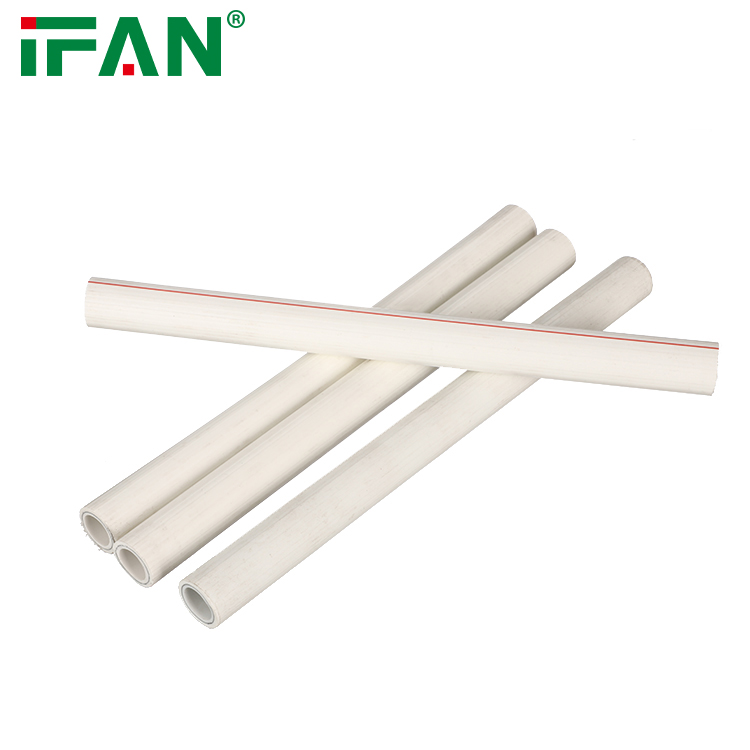
PPR, or polypropylene random copolymer, is a thermoplastic pipe that is commonly used in plumbing. It is known for its toughness, durability and resistance to thermal expansion. PPR pipes are also known for their ability to withstand high temperatures and pressure, making them an ideal choice for hot and cold water supply systems. They are also easy to install and maintain, and their smooth surface prevents the accumulation of rust or other impurities.
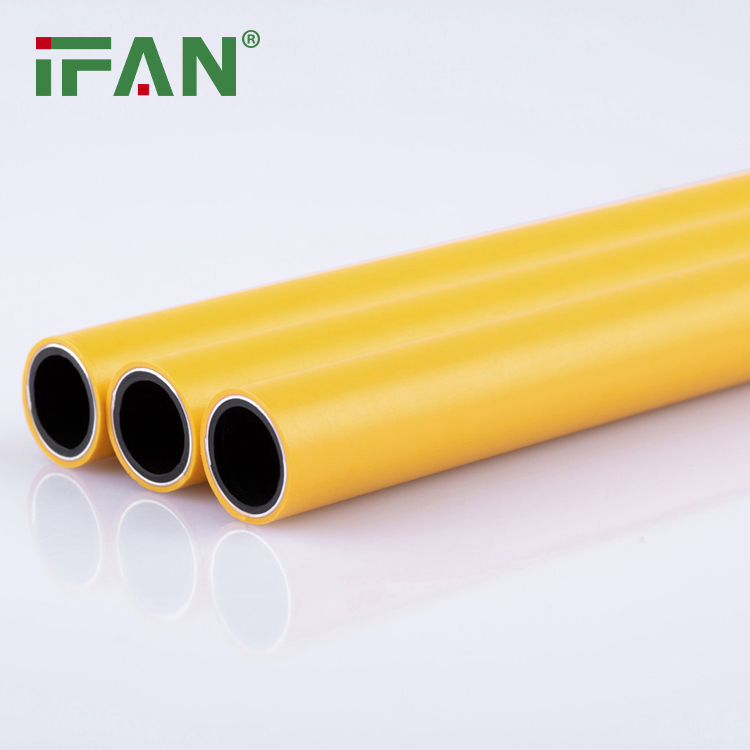
PEX, or cross-linked polyethylene, is another widely used material in plumbing. It is a flexible tube that is highly resistant to stress cracks and damage from chemicals. PEX pipes are also highly resistant to freezing temperatures, making them a good choice for outdoor installations. They are also easy to install, and their flexibility allows them to bend around corners and obstacles.
While both PPR and PEX have their advantages, they are different in several ways. PPR pipes are generally more suitable for indoor installations, as they cannot withstand direct UV radiation from the sun. In contrast, PEX pipes are ideal for outdoor installations, as they are highly resistant to UV rays and can withstand extreme temperatures. Additionally, PPR pipes are rigid, which means that they may be difficult to install in areas with many bends or corners. PEX pipes, on the other hand, are flexible and can easily be bent to fit around obstacles.
In conclusion, PPR and PEX have their respective advantages and are suitable for different applications. It is important to consider the specific needs of each installation when choosing between these two materials. Ultimately, the choice of whether to use PPR or PEX will depend on the specific plumbing needs of the property owner.