
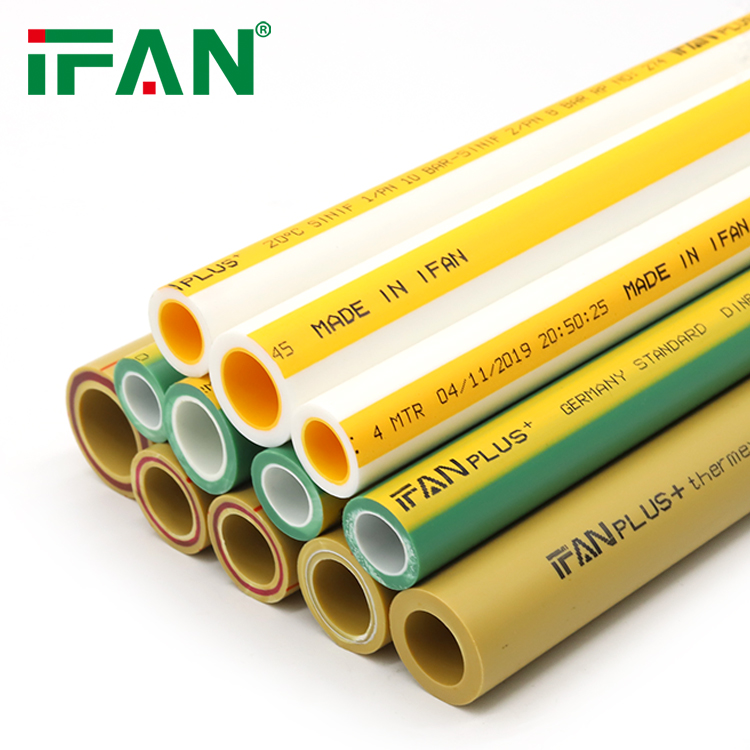
PPR piping systems are gaining prominence in various industries due to their outstanding features. This article provides a comprehensive overview of PPR piping, its composition, manufacturing process, and applications across different sectors.Fábrica de IFAN Más de 30 años de experiencia en fabricación que respaldan la personalización de color y tamaño. muestra gratisBienvenido a consultar por catálogo y muestras gratis.Este es nuestro sitio web de Facebook: +.
Composition and Manufacturing Process
Tomex PPR, which stands for Polypropylene Random Copolymer, is a thermoplastic polymer that consists of a blend of propylene and ethylene. This unique composition provides PPR with several remarkable properties that make it ideal for piping systems.
The manufacturing process of PPR pipes involves the following key steps:
1. Polymerization: Propylene and ethylene polymerized to create the PPR material. The proportion of ethylene in the copolymer can be adjusted to fine-tune the material’s properties.
2. Extrusion: The PPR material is then extruded into pipes of various sizes and lengths. The extrusion process ensures uniformity and consistency in the pipes’ dimensions and properties.
3. Cooling and Shaping: The extruded pipes rapidly cooled and shaped to their final form. This step plays a crucial role in enhancing the pipes’ structural integrity.
4. Quality Control: Rigorous quality control procedures employed to check for any defects or irregularities in the pipes. This ensures that the end product meets industry standards.
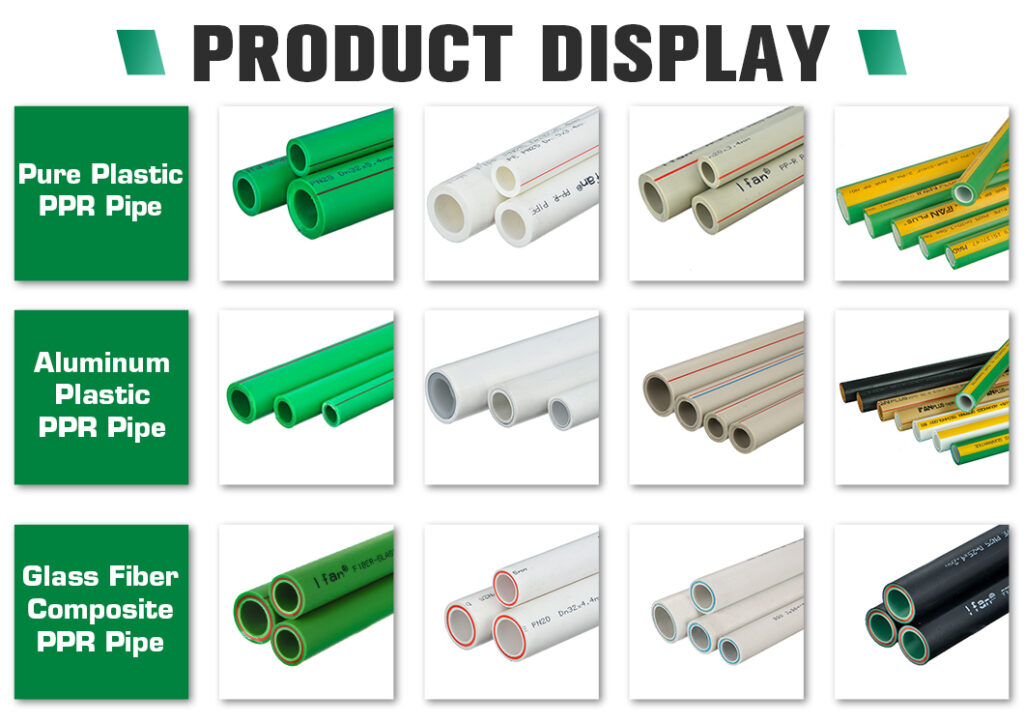
Aplicaciones en diversas industrias
PPR piping has found applications in numerous industries due to its exceptional characteristics. Here are some of the prominent sectors that benefit from PPR pipes:
1. Residential Construction
Water Distribution: PPR pipes used for the distribution of hot and cold water in residential buildings. Their corrosion resistance and smooth interior surfaces ensure clean water delivery.
Heating Systems: PPR piping is a popular choice for radiant floor heating systems, as it efficiently circulates heated water throughout a building.
2. Commercial and Industrial Construction
Industrial Fluid Transport: In commercial and industrial settings, PPR pipes transport various fluids, including chemicals and compressed air, thanks to their resistance to corrosion and pressure.
3. Agricultura
Irrigation Systems: PPR pipes utilized in irrigation systems due to their strength and durability, making them suitable for long-term outdoor use.
4. Healthcare
Medical Gas Systems: PPR piping employed for medical gas distribution systems in hospitals, where the purity and safety of gases are paramount.
5. Food and Beverage Industry
Food Processing: In food and beverage processing plants, PPR pipes chosen for their non-corrosive and non-toxic properties, ensuring the safety of consumable products.
6. Chemical Industry
Chemical Transport: The chemical industry relies on PPR piping for the secure transportation of various chemicals, benefiting from the pipes’ resistance to corrosion and chemical reactions.
Ventajas de las tuberías PPR
PPR piping offers numerous advantages that contribute to its wide acceptance:
Resistencia a la corrosión: Tomex PPR pipes are highly resistant to corrosion, ensuring the purity and safety of transported fluids.
Durabilidad: Their strength and durability make PPR pipes a long-lasting and reliable choice.
Estabilidad térmica: PPR pipes maintain their structural integrity across a broad temperature range, suitable for both hot and cold applications.
Facilidad de instalación: These systems are easy to install, saving time and labor costs.
Bajo mantenimiento: PPR piping requires minimal maintenance, resulting in cost savings over time.
No tóxico: PPR piping is non-toxic and does not introduce harmful substances into the transported fluids.
Conclusión
PPR piping, with its remarkable characteristics, has become an indispensable component in various industries. Its adaptability, reliability, and environmental-friendliness are contributing to its continued growth and adoption across diverse sectors. The future of PPR piping is promising, as it continues to enhance traditional applications and expand into emerging industries.