
Introduction : Qu'est-ce qu'un té en plastique PPR ?
PPR plastic tee is an essential component in plumbing solutions. Its polypropylene material makes it a durable and long-lasting option for those looking to invest in their plumbing system. With its exceptional chemical and heat-resistant properties, PPR plastic tee is the perfect fit for plumbing fixtures in homes and commercial premises alike.
Usine IFAN Plus de 30 ans d'expérience dans la fabrication, prise en charge de la personnalisation des couleurs/tailles, prise en charge d'échantillons gratuits.Bienvenue pour consulter le catalogue et les échantillons gratuits. :: +
Avantages
- Durability: One of the most significant benefits of PPR plastic tee is its durability. Its high impact resistance and toughness mean that it can withstand high-pressure situations without cracking or breaking.
- Chemical Resistance: It can resist a broad range of chemicals, including alkalinity, acids, and oils. This feature makes it a suitable choice for areas where harsh chemicals are commonly used.
- Heat Resistance: It is designed to handle high temperatures, making it a perfect choice for plumbing applications that require hot water transfer.
- Energy Efficient: It is a great choice for those who want to increase energy efficiency in their home or commercial building. As a result of its excellent thermal insulation properties, PPR plastic tee delivers an efficient transfer of hot water, thereby reducing energy consumption.
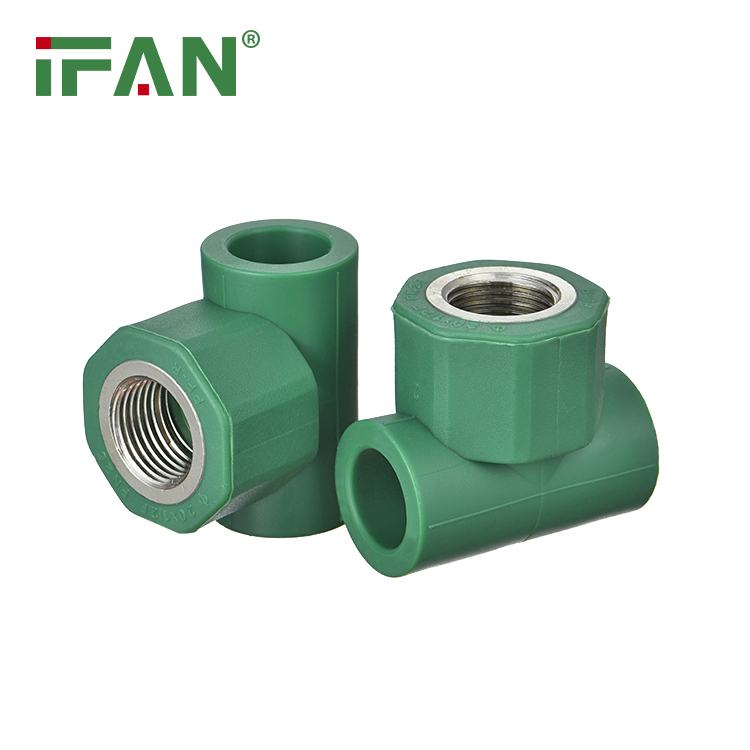
Comment installer un té en plastique PPR
1. Nettoyage des tuyaux : Avant l’installation, il est important de nettoyer soigneusement les tuyaux. Cela garantira une étanchéité parfaite et évitera les fuites.
2. Mark the pipes: Mark the pipes , using a marker.
3. Cut the pipes: Use a pipe cutter to cut the pipes marked.
4. Souder le té : À l'aide d'une machine à souder PPR, souder le té aux tuyaux.
5. Vérification de l'étanchéité : Une fois l'installation terminée, vérifiez l'étanchéité du système.
Applications
- Domestic Water Supply:It is commonly used in domestic water supply systems due to its excellent resistance to chemicals and high temperatures.
- Industrial Piping Systems: It is also widely used in industrial piping systems as it can withstand harsh chemicals and high-temperature applications. It is perfect for chemical processing plants, refineries, and other industrial settings.
- HVAC Systems: It is an ideal material for heating, ventilation, and air conditioning (HVAC) systems due to its excellent thermal insulation properties.
Conclusion : Les avantages
En conclusion, ce raccord de tuyauterie polyvalent et durable offre de nombreux avantages par rapport aux matériaux traditionnels comme le cuivre et le laiton. Facile à installer, résistant aux produits chimiques, économique et respectueux de l'environnement, il constitue un choix idéal pour diverses applications, notamment les systèmes de plomberie et de chauffage, le transport de produits chimiques et les systèmes d'irrigation. Grâce à ses nombreux atouts et à sa simplicité d'utilisation, il représente un excellent choix pour tout projet de plomberie ou de chauffage.