
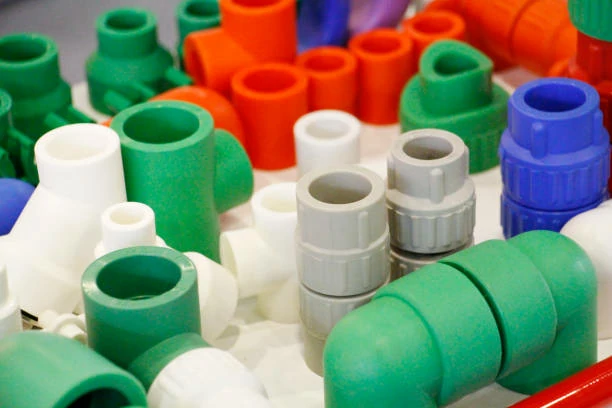
When it comes to plumbing systems using PPR (Polypropylene Random Copolymer) pipes, selecting the right fittings is crucial for ensuring durability, efficiency, and leak-free connections. Among the many PPR fittings available, tees, valves, and flanges stand out as essential components that serve different functions. This article will help you understand the differences, applications, and benefits of these three common PPR fittings, so you can make the best choice for your plumbing project.
What Are PPR Tees, Valves, and Flanges?
PPR pólók
PPR tees are fittings shaped like the letter “T” that connect three sections of pipe. They allow you to split or combine fluid flow, making them ideal for branch connections in plumbing networks. Available in equal or reducing sizes, tees are essential when you need to divert water flow in a system.
PPR szelepek
Valves regulate or stop the flow of water within the pipe system. PPR valves are designed to control pressure, flow rate, and shut off water when needed. They are indispensable in managing plumbing systems, especially where maintenance or emergency shutdowns are necessary.
PPR karimák
Flanges are fittings that connect pipes to other equipment or pipe sections, usually bolted together with gaskets to ensure a tight seal. PPR flanges allow for easy assembly and disassembly of pipes, which is beneficial for maintenance or repair.
Applications of PPR Tees, Valves, and Flanges
Each fitting serves a unique role in plumbing systems:
- Pólók are widely used in water distribution networks for branching pipelines.
- Szelepek are critical in controlling water flow, isolating sections of a system, or regulating pressure.
- Karimák are common where pipe connections need to be detachable, such as at pumps, tanks, or valves.
Choosing the right fitting depends on the system design and maintenance needs.
Advantages of Each Fitting
Benefits of PPR Tees
- Enable flexible system layouts by creating branches.
- Available in multiple sizes for diverse plumbing needs.
- Resistant to high temperature and pressure.
- Easy to install with welding techniques.
Benefits of PPR Valves
- Provide precise flow control.
- Allow quick shut-off in emergencies or repairs.
- Improve system safety and efficiency.
- Durable and corrosion-resistant.
PPR karimák
- Facilitate quick assembly and disassembly.
- Allow easy access for inspection and maintenance.
- Ensure leak-proof connections with gaskets.
- Support heavy-duty industrial applications.
How to Choose the Best PPR Fitting for Your Project
When deciding between tees, valves, or flanges, consider:
- System Purpose: For water branching, choose tees; for flow control, valves; for detachable connections, flanges.
- Pressure and Temperature Ratings: Verify that fittings match the system’s operating conditions.
- Maintenance Needs: Flanges simplify maintenance; valves enable emergency control.
- Installation Method: All these fittings typically require heat fusion welding for PPR pipes, but flanges need bolted connections as well.
Installation Tips for PPR Fittings
- Cut Pipes Cleanly: Use a proper pipe cutter for straight cuts.
- Prepare and Clean: Remove any burrs and clean pipe ends before welding.
- Use Correct Heating Tools: Heat the pipe and fitting ends evenly to avoid weak joints.
- Align Precisely: Join and hold parts firmly to ensure a strong, leak-proof seal.
- Allow Cooling: Wait for the joint to cool before applying pressure or water flow.
Following these steps enhances the longevity and reliability of your plumbing system.
Következtetés
Choosing the best PPR fitting—whether tees, valves, or flanges—depends on your specific plumbing needs. Tees are perfect for branching pipelines, valves are essential for controlling flow, and flanges offer convenience for maintenance. Understanding each fitting’s function and benefits allows you to design a reliable and efficient plumbing system.
For long-lasting performance, always select high-quality PPR fittings from trusted brands and follow proper installation procedures. Doing so ensures your system operates smoothly and remains durable for years to come.
IFAN Nemzetközi Szabványok
Az IFAN PPR idomai és csövei szigorúan megfelelnek a főbb nemzetközi és regionális szabványoknak, garantálva a kiváló teljesítményt és a kompatibilitást a globális piacokon. Ezek a szabványok a következőket foglalják magukban:
- ISO 15874 szabvány – Meghatározza a meleg- és hidegvíz-berendezésekben használt PPR csőrendszerekre vonatkozó követelményeket.
- EN 15874 – Az ISO 15874 szabvánnyal egyenértékű európai szabvány, amelyet az EU-ban széles körben elismernek.
- ASTM F2389 – Amerikai szabvány nyomásálló PPR csőrendszerekre, amelyeket lakossági és kereskedelmi vízellátó rendszerekben egyaránt használnak.
- DIN 8077/8078 – Német szabványok, amelyek meghatározzák a PPR csövek méreteit és minőségét, hangsúlyozva a tartósságot és az állandóságot.
- GB/T 18742 – A polipropilén csőrendszerekre vonatkozó kínai nemzeti szabvány, amely lakossági és ipari környezetben alkalmazható.
- NBR 15884 – A brazil szabvány, amely biztosítja a Dél-Amerikában használt PPR-rendszerek termékminőségét.
Ezen tanúsítványoknak való megfeleléssel az IFAN olyan csővezeték-megoldásokat kínál, amelyek megfelelnek a nemzetközi igényeknek biztonság, hatékonyság, és hosszú élet.
Csatlakozás
Az IFAN egy kínai műanyag csövek, idomok és szelepek gyártója, 30 éves tapasztalattal. Ha érdeklik az IFAN réz idomok, réz szelepek, műanyag csövek és idomok, kérjük, vegye fel velünk a kapcsolatot. Az IFAN szabványos csövek széles választékát kínálja, hogy megfeleljen az Ön egyedi igényeinek. Kattintson az alábbi gombra, ha többet szeretne megtudni az IFAN megfizethető és költséghatékony szeleptermékeinek és csőrendszerekhez kapcsolódó termékeinek széles választékáról.
24 órán belül válaszolunk e-mailjére vagy faxára.
Bármikor hívhat minket, ha bármilyen kérdése van a gyártásunkkal kapcsolatban.
További információkért kérjük, látogassa meg weboldalunkat https://www.waterpipefactory.com/
Kérlek, küldj e-mailt: [email protected]
WhatsApp: + 86 152 1588 7738