
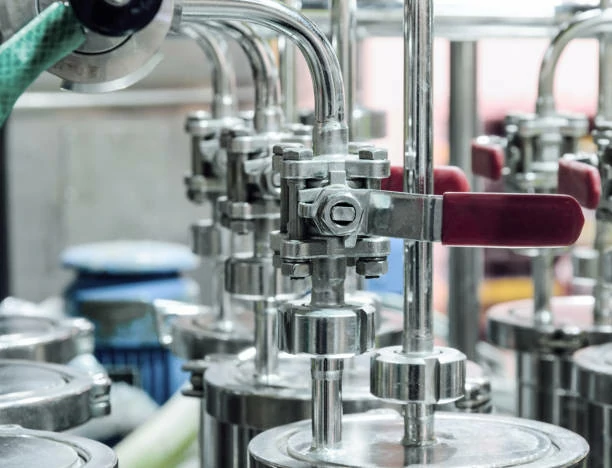
1. Introduction to Advanced Valve Control Technologies
Modern industries require precise and efficient fluid control systems. Advanced valve control technologies improve performance, safety, and automation. Industries such as oil and gas, water treatment, pharmaceuticals, and manufacturing rely on these technologies.
Traditional manual valves limit efficiency and precision. In contrast, modern valve systems integrate smart sensors, actuators, and automated controls. These innovations enhance response time and accuracy. For example, in power plants, automated valves adjust flow rates in real-time, preventing pressure surges.
Selecting the right valve control technology ensures reliability and system longevity. Factors such as material, actuation type, and control mechanisms impact performance. As industries advance, demand for intelligent, energy-efficient, and remote-controlled valves increases.
2. Smart Valve Control Systems
Smart valve control systems incorporate digital monitoring and automation. Sensors collect real-time data, optimizing flow and pressure adjustments. These systems integrate with industrial IoT (IIoT) networks for remote operation.
For example, in chemical processing, smart valves detect pressure variations and adjust automatically. This prevents leaks and enhances safety. Water treatment plants use these systems to regulate chemical dosing accurately.
Advantages of smart valves include:
- Improved Efficiency: Real-time adjustments reduce energy and resource consumption.
- Remote Monitoring: Operators control valves from centralized systems.
- Predictive Maintenance: Sensors detect wear and prevent failures.
- Enhanced Safety: Automated responses minimize accidents and operational risks.
Smart valve systems continue evolving, offering better control, integration, and automation across industries.
3. Types of Advanced Valve Actuation
Different actuation methods improve valve performance in various industries. The most common types include:
- Electric Actuators: Use motors for precise valve control. Found in HVAC and pharmaceutical industries.
- Pneumatic Actuators: Use compressed air for fast valve movement. Ideal for chemical and food processing.
- Hydraulic Actuators: Use fluid pressure for high-force applications. Common in heavy industries.
- Electro-Hydraulic Actuators: Combine electric and hydraulic systems for reliable performance in extreme conditions.
Each type offers specific benefits. For instance, electric actuators provide precise control in automated systems. Pneumatic actuators ensure rapid response in industrial processes. Choosing the right actuator enhances efficiency and longevity.
4. Integration of AI and Machine Learning in Valve Control
AI and machine learning improve valve control by analyzing data patterns. These technologies enable predictive maintenance, reducing unexpected failures. AI-driven algorithms optimize flow adjustments, enhancing efficiency.
For example, in oil refineries, AI detects pressure fluctuations and prevents equipment damage. Power plants use AI-based systems to optimize steam flow, improving energy efficiency.
Key benefits of AI in valve control include:
- Failure Prediction: Detects valve wear before breakdowns occur.
- Real-Time Optimization: Adjusts settings based on operating conditions.
- Energy Savings: Reduces waste by fine-tuning fluid distribution.
- Enhanced Decision-Making: Provides insights for system improvements.
AI continues transforming valve control, making industrial processes smarter and more efficient.
5. Advances in Valve Materials and Design
Modern valves use advanced materials for durability and performance. Common innovations include:
- High-Performance Polymers: Resist corrosion in harsh environments. Used in chemical processing.
- Titanium and Stainless Steel: Withstand extreme temperatures and pressures. Found in aerospace and power industries.
- Ceramic-Coated Valves: Reduce wear in abrasive applications. Used in mining and wastewater treatment.
- Self-Cleaning Designs: Prevent clogging in food and pharmaceutical industries.
For example, desalination plants use corrosion-resistant valves to handle seawater. In nuclear power plants, heat-resistant alloys ensure safe operation. These advancements improve valve lifespan and system reliability.
6. Future Trends in Valve Control Technologies
Valve control technology continues evolving with new trends. Emerging innovations include:
- 5G-Enabled Remote Control: Enhances real-time valve monitoring and automation.
- Smart Self-Healing Valves: Detect and repair minor leaks automatically.
- Eco-Friendly Valve Solutions: Reduce emissions and improve sustainability.
- Nanotechnology Coatings: Enhance durability and reduce friction.
For example, energy plants adopt 5G-enabled valve systems for precise remote operation. Smart valves in water networks detect leaks and adjust flow automatically.
These trends shape the future of industrial valve control, making operations more efficient, safe, and sustainable.
Conclusion
Advanced valve control technologies revolutionize modern industries by improving automation, efficiency, and precision. Smart systems, AI integration, and innovative materials enhance safety, reliability, and overall performance. Industries such as oil and gas, power generation, and pharmaceuticals benefit from these advanced solutions. Selecting the right valve control technology reduces operational risks and ensures long-term system efficiency.
As technology advances, industries will adopt more automated, intelligent, and eco-friendly valve solutions. The integration of IoT, AI-driven analytics, and predictive maintenance will further optimize operations. Smart valves will enhance process control, minimize downtime, and improve sustainability. Future innovations in valve design and materials will create more resilient, adaptive, and energy-efficient systems, ensuring precise fluid management for industrial applications.
International Standards for Brass Ball Valves
Brass ball valves are widely used in various fluid control applications due to their durability, reliability, and high resistance to corrosion. To ensure these valves meet the necessary safety and performance requirements, they are designed according to numerous international standards. For instance, ASTM 2846 outlines specifications for thermoplastic ball valves, while DIN 8079/8080 focuses on compatibility with polyethylene and polypropylene pipes. Additionally, standards such as ASTM F441/F441M SCH80 and AS/NZS 1477 ensure the valves’ effectiveness in PVC piping systems. By adhering to these strict regulations, brass ball valves maintain optimal performance, ensuring they are suitable for both residential and industrial settings, including drinking water systems, with certifications like NSF/ANSI 14.
Connect
IFAN is a Chinese manufacturer of plastic pipes, fittings and valves with 30 years of experience. If you are interest in IFAN copper fittings, copper valves, plastic pipes and fittings, please contact us. IFAN offers you a variety of standard pipes to meet your specific needs. Click below to learn more about IFAN’s wide range of affordable and cost-effective valve products and piping system related products.
We will reply your email or fax within 24 hours.
You can call us at any time if there is any question on our production.
For more information,pls visit our webside https://www.waterpipefactory.com/
Pls Mailto: [email protected]
Whatsapp: + 86 152 1588 7738