
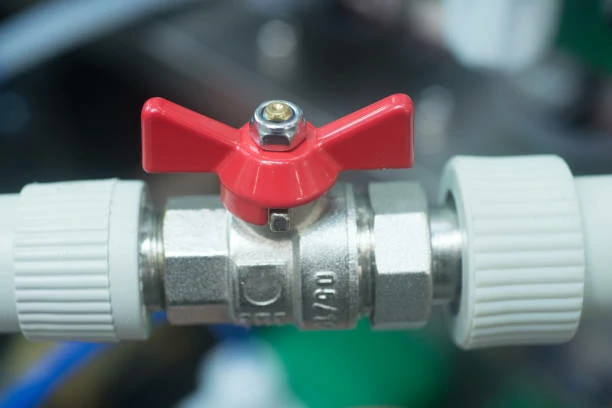
1. Introduction to 3-Way Valves in Medical Equipment
3-way valves in medical equipment control fluid or gas flow with precision. These valves are essential for IV therapy, dialysis, and ventilators. They improve efficiency, safety, and reliability in medical procedures. Unlike standard valves, 3-way valves allow multiple flow paths. This feature minimizes disconnections and reduces contamination risks.
Medical professionals use these valves to optimize workflow and ensure accuracy. Their designs, materials, and actuation methods vary by application. Some valves handle medications, others regulate gases in respiratory systems.
Manufacturers rely on 3-way valves for sterile and controlled fluid pathways. Infusion pumps, anesthesia machines, and diagnostic instruments use them. Understanding their function helps in selecting the best valve for each need.
2. Functionality and Design of 3-Way Valves
3-way valves direct fluid or gas between three ports. Unlike single-direction valves, they allow multiple flow configurations. This flexibility benefits complex medical applications.
Common types include:
- L-Port Valves: Switch fluid between two ports while blocking the third. Used in IV therapy.
- T-Port Valves: Distribute fluid to multiple outputs. Ideal for dialysis machines.
- Manual Valves: Require human operation. Found in handheld medical devices.
- Electronic Valves: Use actuators for automatic control. Common in infusion pumps.
Medical-grade materials like polycarbonate and stainless steel ensure safety. These materials resist chemicals and withstand sterilization. Proper design and material selection ensure performance and durability.
3. Applications of 3-Way Valves in Medical Equipment
3-way valves serve many medical applications, including:
- IV Therapy: Switch between medications or saline in a single IV line.
- Dialysis Machines: Regulate blood, dialysate, and waste removal.
- Ventilators: Control oxygen and air mixing for breathing support.
- Anesthesia Machines: Manage anesthesia gas delivery during surgery.
- Diagnostic Equipment: Direct reagents and samples in testing devices.
- Medical Waste Disposal: Control fluid disposal to reduce contamination.
Each application requires precise flow control and sterile operation. 3-way valves ensure efficiency, safety, and accuracy in these medical systems.
4. Advantages of 3-Way Valves in Medical Systems
Using 3-way valves offers several benefits, including:
- Better Fluid Control: Switch between fluids without disconnecting tubing.
- Simpler Connections: Reduce tubing and system complexity.
- Improved Patient Safety: Prevent contamination and ensure accurate medication flow.
- Automation Support: Enable precise, automated adjustments.
- Sterilization Compatibility: Withstand autoclaving and chemical disinfection.
- Versatile Applications: Adapt to infusion pumps, ventilators, and lab devices.
These advantages make 3-way valves essential for modern medical technology. Their reliability improves treatment accuracy and workflow efficiency.
5. Selecting 3-Way Valves for Medical Applications
Choosing the right 3-way valve requires considering key factors:
- Material: Must be chemical-resistant and sterilization-compatible.
- Flow Control: Should provide smooth, leak-free operation.
- Size and Ports: Must fit device specifications and application needs.
- Sterilization: Should endure repeated cleaning cycles.
- Actuation Method: Manual for basic use, electronic for automation.
- Leak Prevention: Should ensure secure seals for patient safety.
Careful selection ensures reliable, efficient, and safe medical equipment performance.
6. Future Trends in 3-Way Valve Technology
Medical technology advancements continue improving 3-way valve designs. Key innovations include:
- Smart Valves: Sensors monitor pressure, temperature, and flow in real time.
- Miniaturization: Smaller valves for wearable medical devices.
- Advanced Materials: New polymers improve biocompatibility and durability.
- AI Integration: Smart systems optimize fluid control and reduce errors.
- Eco-Friendly Designs: Biodegradable and recyclable materials lower medical waste.
These trends enhance precision, reliability, and efficiency in medical fluid management.
Conclusion
3-way valves ensure precision, safety, and efficiency in medical devices. Their ability to control fluid flow reduces contamination and improves workflow. Proper selection and innovation will further enhance medical technology. These valves will remain essential in improving patient care and medical equipment performance.
Advancements in 3-way valve technology continue to drive improvements in medical applications. The integration of automation and smart control systems enhances their accuracy and reliability. Miniaturization allows for use in portable and wearable medical devices, expanding their applications. As healthcare systems demand more precise and efficient solutions, manufacturers develop new materials and designs to meet industry requirements.
Medical professionals rely on 3-way valves for critical functions, such as drug delivery, fluid regulation, and diagnostic testing. Their role in reducing human error and ensuring consistent flow control is vital to patient safety. Regular maintenance and proper installation further optimize their performance, minimizing system failures and contamination risks.
Future innovations, including AI integration and self-regulating valve systems, will shape the next generation of medical fluid control. As technology advances, 3-way valves will continue evolving, offering even greater precision, efficiency, and reliability in medical applications. Their role in healthcare remains indispensable, improving treatment outcomes and streamlining medical procedures.
International Standards for Brass Ball Valves
Brass ball valves are widely used in various fluid control applications due to their durability, reliability, and high resistance to corrosion. To ensure these valves meet the necessary safety and performance requirements, they are designed according to numerous international standards. For instance, ASTM 2846 outlines specifications for thermoplastic ball valves, while DIN 8079/8080 focuses on compatibility with polyethylene and polypropylene pipes. Additionally, standards such as ASTM F441/F441M SCH80 and AS/NZS 1477 ensure the valves’ effectiveness in PVC piping systems. By adhering to these strict regulations, brass ball valves maintain optimal performance, ensuring they are suitable for both residential and industrial settings, including drinking water systems, with certifications like NSF/ANSI 14.
Connect
IFAN is a Chinese manufacturer of plastic pipes, fittings and valves with 30 years of experience. If you are interest in IFAN copper fittings, copper valves, plastic pipes and fittings, please contact us. IFAN offers you a variety of standard pipes to meet your specific needs. Click below to learn more about IFAN’s wide range of affordable and cost-effective valve products and piping system related products.
We will reply your email or fax within 24 hours.
You can call us at any time if there is any question on our production.
For more information,pls visit our webside https://www.waterpipefactory.com/
Pls Mailto: [email protected]
Whatsapp: + 86 152 1588 7738