
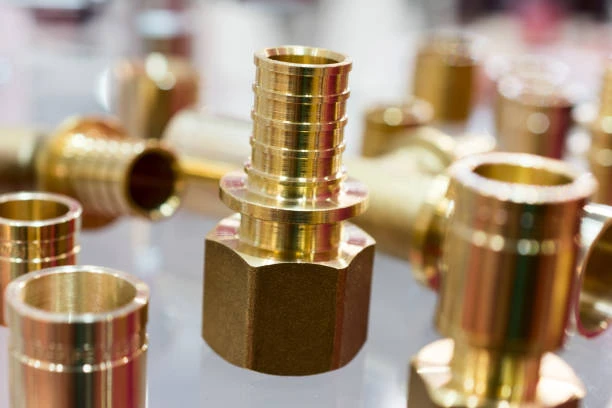
1. Basic Definition and Summary Overview
Modern air conditioning systems require stable fluid circulation. Designers often use brass compression fittings for PEX pipe to achieve reliable structural integration. These fittings connect flexible PEX pipelines to various cooling components. Air conditioning networks use chilled water or refrigerant fluid for temperature regulation. Brass fittings tolerate continuous thermal cycling without deformation. Workers secure each joint easily using simple hand tools. Compressing rings form a tight seal around the PEX layer. This sealing method prevents leaks effectively. Air conditioning systems must remain leak-free to ensure proper efficiency. Brass also resists corrosion from fluid additives.
2. Frequently Asked Questions (FAQ)
Q1: Why do installers choose brass fittings in air conditioning?
Brass handles high pressure and temperature variation. These fittings provide strong sealing. They resist chemical additives often found in cooling systems.
Q2: Can workers service these fittings easily?
Yes. Technicians remove compression nuts quickly. They inspect sealing rings without heavy equipment. Service procedures remain straightforward.
Q3: Are these fittings compatible with low-temperature chilled water?
Yes. The seal compresses tightly around the tubing. Thermal contraction does not cause leak formation. Chilled water lines remain stable.
Q4: Do these fittings support vibration from compressors?
Installers add support brackets. Good support reduces movement. Compression seals maintain strong contact. Vibration does not loosen the joint.
Q5: Are pressure tests required after installation?
Yes. Workers pressure-test every branch. They confirm leak-free performance. Test records support future inspections.
3. Application Industries
Many industries integrate brass compression fittings for PEX pipe in air conditioning networks. Commercial buildings maintain stable comfort environments. Office towers route chilled water through vertical risers. Shopping malls cool wide corridors and large tenant spaces. Hotels require quiet and stable cooling distribution. Data centers use chilled water coils to protect servers. Precision cooling prevents thermal swings. Pharmaceutical plants control humidity and temperature strictly. Production quality depends on climate stability. Hospitals protect patient comfort and critical equipment. ICU rooms demand reliable cooling. Food storage warehouses preserve low temperatures for perishable goods. Production workshops cool machinery to avoid overload. Exhibition halls stabilize thermal conditions for large crowds. Residential complexes route PEX tubing across multiple floors. The fittings enable mechanical room transitions. Stadiums cool VIP rooms and equipment closets. Each area benefits from flexible routing and durable sealing.
4. Installation Notes for Air Conditioning Workers
Workers cut PEX tubing cleanly. Rough cuts damage sealing surfaces. They insert tubing fully into the compression seat. Incomplete insertion reduces sealing strength. Workers tighten compression nuts uniformly. Uneven torque causes micro leaks. Support brackets prevent pipe movement. Movement stresses compression rings. Workers route tubing away from heat sources. Excess heat accelerates seal wear. They avoid sharp bends. Bending weakens the PEX layer. Workers flush chilled water loops before final connection. Debris damages seal surfaces. They check pressure ratings printed on tubing. Matching ratings improves lifetime reliability. After installation, workers perform pressure testing. They check for moisture at every joint. Records track inspection results. The brass compression fittings for PEX pipe respond well to careful installation. Workers train regularly on torque values. Good training reduces failure risk. Rooms with vibration require additional support.
5. Procurement Promotion Event
Our HVAC supply store launches a new bulk purchasing campaign. Contractors receive tiered discounts on cooling valves, PEX coils, and brass compression fittings for PEX pipe. Engineers request specification sheets for complex system layouts. Designers ask for routing suggestions. Visit our facility at 4472 Millbrook Road, Lakewood, Washington. Staff members provide technical advice and price quotes. Inventory remains high during peak cooling seasons. Large companies enjoy priority transport scheduling.
PEX tubing offers flexibility and easy routing across tight spaces. The fittings help connect coil units, pumps, and distribution headers. Buildings reduce installation time and improve performance reliability. This article explains system questions, application sectors, installation concerns, component comparisons, and project guidance. Professionals continue choosing brass compression fittings for PEX pipe thanks to longevity and predictable sealing behavior.
6. Comparison with Other Key Components
The brass compression fittings for PEX pipe differ from crimp fittings. Crimp types require specialized tools. Compression versions require simple hand tools. Workers inspect compression seals more easily. Push-fit fittings install quickly but cost more. Their internal O-rings degrade faster. Threaded metal connectors require rigid piping. PEX remains flexible across long distances. Brass balances cost and performance effectively. Plastic compression fittings cost less but soften under heat. Air conditioning water lines often reach high temperatures. Steel fittings resist heat well but corrode faster. Corrosion increases maintenance frequency. Copper solder joints require flame tools. Flames increase risk near insulation and refrigerant lines. Brass compression joints avoid flame hazards. They tighten manually with wrenches. Refrigeration flared fittings offer excellent sealing. However, flared fittings require more skill. The brass compression fittings for PEX pipe provide efficient connection options across various conditions.
7. Worker Inspection Methods and Field Scenarios
Workers perform periodic inspections along chilled water loops. Moisture near a joint may suggest sealing wear. Workers tighten the nut slightly. They monitor temperature change across pipelines. Uneven temperatures imply flow obstruction. Workers clean strainers near pumps. Sediment blocks circulation. Workers inspect pipe supports for bending. Bending reduces seal effectiveness. Remote mechanical rooms require humidity monitoring. High humidity accelerates corrosion on adjacent surfaces. Workers replace worn compression rings. Replacement extends system life. Technicians maintain digital logs. Logs show performance trends. They compare pressure readings before and after cleaning tasks. Improving flow indicates better system health. In large complexes, workers mark tube circuits clearly. Clear labels simplify emergency repairs. Hotels and hospitals schedule nighttime inspections. Night operation reduces guest disturbance. The brass compression fittings for PEX pipe maintain stable performance during inspection cycles.
8. Conclusion
Air conditioning systems depend on consistent fluid circulation. Designers select components that balance reliability, cost, and flexibility. The brass compression fittings for PEX pipe support stable sealing across varying temperatures. Workers install them without specialized equipment. They monitor joints for moisture, temperature variation, and vibration. Compared with plastic, threaded, or soldered alternatives, brass compression offers balanced durability. The fittings also integrate well with flow meters and thermostatic valves. Workers follow torque guidelines to ensure proper sealing. Pressure testing confirms installation quality. Procurement campaigns reduce project budgets. Field inspections catch early performance issues. Different industries rely on stable cooling for comfort and safety. Climate trends increase air conditioning demand. Correct fitting selection supports long-term system health. The brass compression fittings for PEX pipe remain a strong choice for air conditioning projects.、
Your Global Partner for Plastic Piping Solutions
As a leading Chinese manufacturer of plastic pipes, valves, and fittings, IFAN offers customized production and comprehensive services to meet all your piping needs. With distributors worldwide and a commitment to quality, we provide reliable one-stop solutions. Contact us at [email protected] or WhatsApp: +86 19857948982. Partner with IFAN for innovative piping solutions!