
Introduction
Water distribution is a critical aspect of modern irrigation systems, whether for agriculture, landscaping, or residential gardens. HDPE sprinkler pipes have become a preferred choice because they combine durability, flexibility, and ease of use. These pipes help ensure even water distribution, reduce waste, and lower maintenance costs. Farmers, landscapers, and homeowners appreciate HDPE pipes for their reliability and long service life. In this article, we will cover everything about HDPE sprinkler pipes, including their features, uses, selection tips, installation, comparisons with other materials, and how to choose the right product for your needs. By the end, you will understand why HDPE sprinkler pipes are a smart investment for any water distribution system.
Frequently Asked Questions (FAQ)
- What is an HDPE sprinkler pipe?
An HDPE sprinkler pipe is made from high-density polyethylene, a durable and flexible plastic used for distributing water efficiently. - Can HDPE pipes handle high water pressure?
Yes, HDPE pipes can withstand medium to high water pressure, making them suitable for large irrigation and water distribution systems. - How long do HDPE sprinkler pipes last?
With proper installation and care, HDPE pipes can last over 25 years even under harsh weather and frequent use. - Are HDPE pipes safe for the environment?
Yes, they are fully recyclable and chemical-resistant, which supports sustainable water management and reduces environmental impact. - How do HDPE pipes compare to PVC or metal pipes?
HDPE pipes are flexible, resistant to cracks and corrosion, and lighter than metal or PVC pipes, which makes installation easier and more efficient.
Definition and Key Features of HDPE Sprinkler Pipe
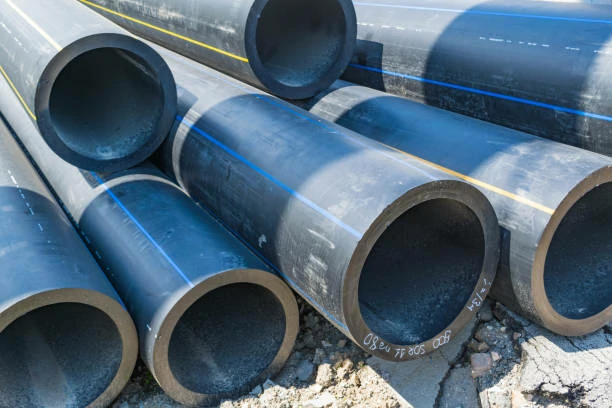
HDPE sprinkler pipes are made of high-density polyethylene, a strong, lightweight, and flexible plastic. Unlike metal pipes, they do not corrode, and unlike rigid PVC, they bend easily to adapt to uneven terrain. HDPE pipes resist chemicals commonly used in agriculture and can withstand UV radiation from sunlight. Their leak-proof design and long lifespan make them ideal for irrigation and water distribution systems. Additionally, HDPE pipes are easy to transport and install, which reduces labor costs and makes the system more efficient overall.
Key features of HDPE sprinkler pipes include flexibility, chemical resistance, lightweight construction, UV resistance, leak-proof joints, and low maintenance requirements. These benefits make HDPE pipes a reliable choice for agricultural, commercial, and residential applications.
Common Uses and Industries
HDPE sprinkler pipes are versatile and widely used across multiple sectors. In agriculture, they provide uniform water distribution to crops, improving growth and reducing water waste. Greenhouses rely on these pipes for precise irrigation, helping plants get the exact amount of water they need. Landscaping projects, including parks, golf courses, and residential gardens, benefit from the flexibility and durability of HDPE pipes. Municipal projects also use HDPE sprinkler systems for public green spaces and parks, as they require less maintenance and last longer than alternative materials. Overall, HDPE pipes are essential for any system that demands reliable, efficient, and long-lasting water distribution.
Buying Guide
When selecting HDPE sprinkler pipes, consider several important factors. Material quality is crucial; make sure you choose pipes made from high-density polyethylene for strength and chemical resistance. Color also matters. Black pipes offer UV protection, while blue pipes are visible and often used for potable water systems. Check the diameter and wall thickness to ensure the pipe can handle your system’s water pressure. Look for certifications such as ISO or ASTM to ensure the product meets industry standards. Finally, consider compatibility with fittings, connectors, and sprinkler heads. Paying attention to these factors ensures you buy HDPE pipes that will perform efficiently and last a long time.
Installation Tips
Proper installation is essential to maximize performance and lifespan. Start by planning your layout carefully, measuring distances, and determining sprinkler placement for even coverage. Install the pipes at a depth that protects them from sunlight, foot traffic, and farm equipment. Use compression or electrofusion fittings to create secure, leak-proof joints. Avoid sharp bends to prevent stress and cracking. Test the system before covering the pipes to detect leaks or weak points. Regularly check for damage, blockages, or leaks to maintain system efficiency. Following these steps ensures reliable irrigation and reduces long-term maintenance.
HDPE Sprinkler Pipe vs Other Materials
HDPE pipes offer several advantages compared to other materials. They are highly flexible and adapt easily to uneven terrains. PVC pipes are rigid and can crack over time, while metal pipes are prone to corrosion and are heavier, making installation harder. HDPE pipes are lightweight and easier to handle, reducing labor costs. They are resistant to chemicals and UV rays, whereas other materials may degrade over time. HDPE also requires fewer fittings and connections, which reduces leak risks and maintenance. Overall, HDPE sprinkler pipes provide better long-term performance and reliability compared to PVC and metal options.
Conclusion
HDPE sprinkler pipes provide a durable, efficient, and cost-effective solution for water distribution systems. Their flexibility, chemical resistance, and low maintenance make them ideal for agriculture, landscaping, and residential use. By choosing high-quality, certified HDPE pipes and following proper installation practices, you can ensure reliable performance for years. For those in Mexico City looking to purchase reliable HDPE sprinkler pipes, Ferretería Marti at Av. Jalisco 192, Col. San Miguel Chapultepec, 11870 México, CDMX, Mexico offers quality products and guidance. Investing in HDPE sprinkler pipes guarantees efficient water distribution and long-term irrigation success.
IFAN’s international standards
IFAN follows multiple internationally recognized standards to ensure the quality, safety, and compatibility of its HDPE water supply pipes. These include ASTM D3035, ASTM D3350, ISO 4427 Series standards, EN 12201 Series standards, DIN 8074/8075, GB/T 13663 Series standards, AS/NZS 4130, JIS K6760, BS 6572, and CSA B137.1. By adhering to these global benchmarks, IFAN guarantees that its products meet diverse regional requirements and perform reliably in various environmental and industrial applications.
Connect
IFAN, a Chinese manufacturer with 30 years of experience, specializes in high-quality plastic pipes, fittings, and valves. Interested in IFAN’s copper fittings, copper valves, plastic pipes, or fittings? Contact us today. IFAN offers a wide range of standard pipes tailored to your needs. Explore our affordable, cost-effective valve and piping system products.
We respond to emails or faxes within 24 hours. For immediate assistance, call us anytime with questions about our products.
For more information,pls visit our webside https://www.waterpipefactory.com/
Pls Mailto: [email protected]
Whatsapp: + 86 19857948982