
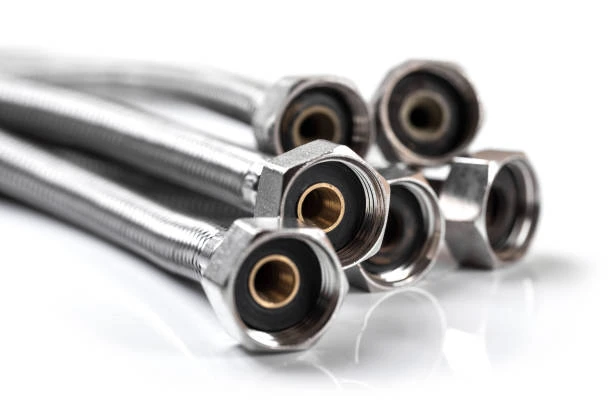
When it comes to flexible piping solutions, the braided hose pipe stands out for its reliability, strength, and adaptability across industries. Whether it’s for domestic plumbing, industrial machinery, or automotive use, this type of hose offers a combination of flexibility and durability that traditional piping materials often lack. In this article, we’ll explore what makes braided hose pipes so useful, with a special focus on their features. We’ll answer common questions, define their structure, and show where and how they are most commonly used. If you’re looking for a clear and practical guide on braided hose pipes, you’re in the right place.
Frequently Asked Questions (FAQ)
1. What is a braided hose pipe made of?
A braided hose pipe typically consists of an inner tube made from rubber, PVC, or silicone, which is then reinforced with a braided outer layer of stainless steel or synthetic fiber for added strength and flexibility.
2. What are the key features of a braided hose pipe?
Its main features include high pressure resistance, flexibility, temperature tolerance, and resistance to abrasion and corrosion. These qualities make it ideal for demanding environments.
3. Can braided hose pipes be used outdoors?
Yes, they are suitable for both indoor and outdoor use. Their braided exterior protects the inner pipe from UV rays, wear, and weather conditions.
4. How long does a braided hose pipe last?
With proper usage and care, a good-quality braided hose pipe can last several years. Its lifespan depends on the material, operating pressure, and exposure to chemicals or heat.
5. Are braided hose pipes safe for drinking water?
If certified for potable use, many braided hoses are indeed safe for drinking water. Always check product specifications and safety certifications before use.
What Is a Braided Hose Pipe? Basic Definition and Construction
A braided hose pipe is a flexible tube designed to transport fluids or gases under pressure. Its design consists of two main layers:
- Inner Tube: This core tube carries the actual fluid or gas. Depending on the application, it may be made of rubber, EPDM, silicone, or thermoplastics.
- Braided Outer Layer: This is a woven mesh, usually made of stainless steel or polyester, that wraps around the inner tube. It acts as a reinforcement that helps the hose maintain pressure integrity while staying flexible.
The braiding significantly enhances the pipe’s performance, allowing it to withstand higher pressure levels and external mechanical stress. This makes it suitable for a wide range of environments, from home appliances to heavy industry.
Key Features of Braided Hose Pipes
Braided hose pipes are packed with functional features that make them suitable for a wide variety of needs. Let’s examine the most important ones:
1. High Pressure Resistance
One of the most valuable traits of a braided hose is its ability to handle high internal pressures. The outer braiding layer provides mechanical reinforcement, preventing the hose from expanding or bursting even under heavy fluid or gas pressure. This is especially important in hydraulic systems and industrial machinery.
2. Excellent Flexibility
Despite their tough exterior, braided hose pipes remain highly flexible. They can bend around corners, fit into tight spaces, and move with mechanical systems without cracking or leaking. This makes them ideal for dynamic systems that require some movement or where rigid pipes cannot fit.
3. Temperature Tolerance
Braided hoses can endure a wide range of temperatures. Stainless steel-braided models, for example, perform well in both high-heat and cold environments, which is why they’re used in engine systems and heating equipment. Depending on the core material, the temperature range can span from -40°C to over 200°C.
4. Chemical and Corrosion Resistance
The materials used in braided hose pipes resist a wide variety of chemicals. Stainless steel offers natural resistance to rust and corrosion, while the inner tube can be designed to tolerate chemicals like fuel, oil, acids, or alkalis. This feature allows the hose to operate safely in chemical processing plants or marine environments.
5. Durability and Long Lifespan
With proper handling, a braided hose pipe provides many years of reliable service. The dual-layer design helps protect against mechanical damage like abrasion, punctures, or crushing. This durability makes the hose cost-effective over time, reducing maintenance and replacement frequency.
6. UV and Weather Resistance
The external braid layer also offers protection from UV radiation and weather conditions. For outdoor applications like garden irrigation or construction site water delivery, this feature ensures the hose maintains integrity in sun, rain, or cold.
7. Leak Prevention and Secure Connections
Thanks to reinforced ends and adaptable fittings, braided hoses form secure, tight seals. This reduces the risk of leaks under pressure and makes them safe for use in both residential and industrial setups.
8. Noise Reduction
In some applications, especially plumbing, braided hose pipes can absorb vibration and reduce noise. This is beneficial in household appliances or mechanical systems where minimizing sound is important.
Common Uses and Application Industries
Due to their versatility and performance, braided hose pipes find applications in numerous sectors:
1. Home and Plumbing
In residential plumbing, braided hose pipes connect faucets, toilets, dishwashers, and washing machines to water lines. Their flexibility and leak resistance make them ideal for tight installations under sinks or behind appliances.
2. Automotive and Transport
In vehicles, braided hoses handle fluid transfer for fuel, oil, coolant, or hydraulic systems. Their high temperature and pressure tolerance support the tough conditions of engines and transmissions.
3. Industrial Equipment
Manufacturing machinery often uses braided hoses to deliver pressurized air, water, or lubricants. Their reliability under heavy loads ensures safe and continuous operation.
4. Construction and Civil Engineering
On construction sites, braided hoses transport water, cement mixtures, or chemicals. Their rugged design makes them suitable for rough handling and changing weather.
5. Medical and Laboratory Systems
Some specially designed braided silicone hoses are used in laboratories or medical equipment. They are selected for their cleanliness, resistance to contamination, and ability to handle sterilization processes.
6. Food and Beverage Industry
Braided hoses made from food-safe materials transport liquids like milk, beer, or juice in commercial kitchens or bottling plants. Their smooth inner walls and durability help maintain hygiene standards.
7. Agriculture and Irrigation
Braided hoses are widely used for irrigation systems and agricultural sprayers. Their durability and UV resistance make them practical for fieldwork and long-term exposure.
Conclusion
Braided hose pipes are a reliable and highly adaptable solution for fluid and gas transfer. Their key features—such as flexibility, high-pressure resistance, temperature tolerance, and durability—allow them to perform efficiently across various industries and environments. From household plumbing to industrial equipment and automotive systems, the braided hose pipe proves to be a practical tool that balances strength with convenience.
When selecting a braided hose, it’s important to consider the material, pressure requirements, temperature range, and compatibility with fluids. Doing so ensures long-lasting performance and safety in the intended application. Whether you’re a professional installer, manufacturer, or homeowner, understanding the features of braided hose pipes helps you make smarter, more cost-effective decisions.
If you’re seeking a high-quality and multifunctional piping solution, the braided hose pipe is worth considering for its outstanding blend of performance, durability, and flexibility.
IFAN International Standards
To meet global quality demands, IFAN HDPE pipes follow a wide range of international standards, such as ASTM D3035, ISO 4427, EN 12201, and GB/T 13663. These standards define the pipe’s strength, durability, and safety. Moreover, IFAN complies with DIN 8074/8075, AS/NZS 4130, JIS K6760, BS 6572, and CSA B137.1, making their products suitable for water, gas, and industrial systems worldwide. Because IFAN meets all these trusted certifications, users can confidently choose IFAN for reliable performance in any environment.
Contact Us
If you have any questions about cold taps or need help selecting the right model, feel free to reach out to our team. We offer expert advice and support tailored to your industry and application.
IFAN is a Chinese manufacturer of plastic pipes, fittings and valves with 30 years of experience. If you are interest in IFAN copper fittings, copper valves, plastic pipes and fittings, please contact us. IFAN offers you a variety of standard pipes to meet your specific needs. Click below to learn more about IFAN’s wide range of affordable and cost-effective valve products and piping system related products.
We will reply your email or fax within 24 hours.
You can call us at any time if there is any question on our production.
For more information,pls visit our webside https://www.waterpipefactory.com/
Pls Mailto: [email protected]
Whatsapp: + 86 152 1588 7738