
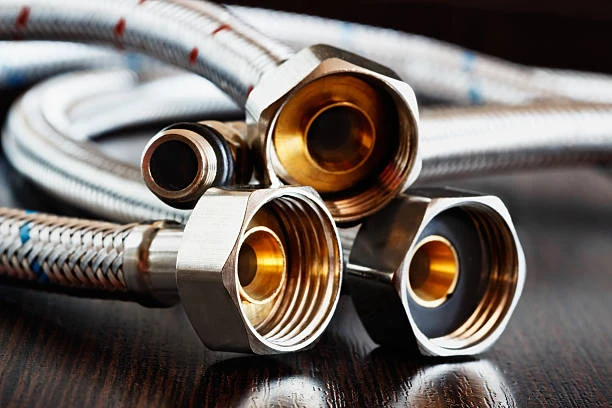
Braided hoses are a core component in plumbing, automotive, and industrial systems due to their durability, flexibility, and high-pressure performance. Their unique layered structure is what sets them apart from other types of hoses, making them a reliable choice for both everyday and specialized applications. This article explores the structural design of braided hoses, answers common questions, explains their features, and highlights the industries where they are most commonly used.
Frequently Asked Questions (FAQ)
1. What makes braided hoses different from regular hoses?
Braided hoses are reinforced with a woven outer layer, typically made from stainless steel, nylon, or polyester. This gives them higher pressure resistance and better flexibility compared to non-braided hoses.
2. Are all braided hoses made from metal?
Not necessarily. While many are reinforced with stainless steel, braided hoses can also have braids made from nylon or polyester, depending on their use case and pressure requirements.
3. Can braided hoses be used for both hot and cold water?
Yes, most braided hoses are designed to handle a wide range of temperatures. However, it’s important to check the product’s temperature rating before installation.
4. Do braided hoses require special fittings?
They often use standard fittings, but depending on the application—such as high-pressure systems or gas lines—specialized connectors may be recommended to ensure safety and performance.
5. How long do braided hoses typically last?
When properly installed and maintained, high-quality braided hoses can last between 5 to 10 years or even longer, depending on the environment and the material of the braid.
Basic Definition and Key Structural Features
Their main advantage lies in their layered construction, which improves their strength and resistance to wear and tear.
Core Structure
A typical braided hose has three main layers:
- Inner Tube (Core Layer)
This part carries the actual fluid or gas. It’s usually made of rubber (EPDM, nitrile), thermoplastic, or silicone, depending on the intended use. The inner tube must resist chemical corrosion, pressure, and temperature. - Braided Reinforcement Layer
This is the defining structural feature. The braid prevents the hose from expanding under pressure and adds mechanical strength. The tighter and denser the weave, the higher the pressure the hose can handle. - Outer Protective Layer (Optional)
Some braided hoses have an external jacket made of rubber, PVC, or TPE to protect the braid from environmental damage, UV rays, or chemicals.
This layered construction gives braided hoses their signature combination of strength, flexibility, and resilience.
Materials Used in Braided Hoses
- Stainless Steel: Excellent for high-temperature and high-pressure environments. Also corrosion-resistant and long-lasting.
- Nylon Braid: Lightweight and suitable for moderate pressure; ideal for automotive or appliance use.
- Polyester Braid: Cost-effective and good for basic water transfer in residential systems.
- PVC Coating: Adds protection without much weight; often used in household applications.
Each material choice impacts how the hose performs in a given setting.
Common Uses and Application Industries
Braided hoses are used across a wide range of industries thanks to their adaptable structure and performance features.
Plumbing and Water Supply
In residential and commercial plumbing, braided hoses are used to connect sinks, toilets, washing machines, and dishwashers to the water supply. Their structure allows for flexibility in tight spaces while resisting bursts and leaks.
Automotive Systems
In automotive engines, braided hoses handle fuel, oil, and coolant flow. Stainless steel braided hoses, in particular, are favored for their heat resistance and high burst strength. They also reduce the risk of hose expansion and failure under engine pressure.
Industrial Applications
In factories, processing plants, and chemical facilities, braided hoses transport steam, gas, oil, and chemical solutions. The structure ensures the hoses withstand tough working conditions, including abrasion, pressure surges, and aggressive chemicals.
HVAC Systems
Heating, ventilation, and air conditioning units often use braided hoses to move refrigerant or water in and out of units. The hose structure prevents leakage and handles temperature fluctuations reliably.
Food and Beverage Industry
Braided hoses made from food-safe materials like silicone or thermoplastic elastomer are used in beverage dispensers, breweries, and dairy systems. The braid ensures that hoses do not deform or burst under pressure while maintaining hygiene.
Structural Benefits in Real-World Use
The structural integrity of braided hoses directly translates into several key benefits for users.
Flexibility with Strength
The braid allows the hose to bend and move without kinking, which is crucial in confined installations or moving systems. At the same time, the structural reinforcement prevents rupture.
Resistance to Pressure
The tight braid distributes stress evenly, allowing the hose to handle higher pressures than unreinforced tubes. This makes braided hoses ideal for high-performance environments like engines or chemical systems.
Thermal Tolerance
Metal and synthetic braids help the hose maintain shape and performance at both high and low temperatures. This is especially valuable in automotive, industrial, and hot water applications.
Protection Against Abrasion
The braided layer acts like armor, shielding the inner tube from sharp edges, vibration, and external wear. This extends the service life of the hose even in rugged environments.
Reliable Seal and Connection
The structural rigidity of the hose ensures that fittings and connectors stay firmly in place without leaks. Many hoses are also pre-fitted with crimped metal ends to simplify installation and ensure long-term stability.
Additional Design Variations
To meet different industry demands, braided hoses are available in several design variations based on their structure:
- Single-Braided Hose: One layer of braid, suitable for moderate pressure.
- Double-Braided Hose: Two braided layers for extra strength and resistance.
- Triple-Braided Hose: For extreme pressure or heavy-duty applications.
- Expandable Braided Hose: Designed for temporary use in gardens or light-duty plumbing, it expands when filled with water.
Some hoses also include an anti-kink coil within the structure or a heat-resistant sleeve for added performance.
Summary
Braided hoses are trusted across industries because of their smart structural design. With a layered construction that includes a strong inner tube, a tightly woven braided reinforcement, and sometimes an outer jacket, these hoses deliver excellent pressure resistance, flexibility, and durability.
Whether in a home washing machine, a car engine, or a chemical plant, braided hoses perform reliably thanks to the way they’re built. Choosing the right braided hose means understanding your application needs—pressure, temperature, chemical resistance—and matching them to the hose’s materials and structure.
By appreciating the structure behind braided hoses, professionals and consumers alike can make informed choices and ensure long-term performance in any fluid or gas transfer system.
If you’re in the market for a dependable, efficient, and structurally sound hose solution, braided hose remain one of the most trusted options available today.
IFAN International Standards
To meet global quality demands, IFAN HDPE pipes follow a wide range of international standards, such as ASTM D3035, ISO 4427, EN 12201, and GB/T 13663. These standards define the pipe’s strength, durability, and safety. Moreover, IFAN complies with DIN 8074/8075, AS/NZS 4130, JIS K6760, BS 6572, and CSA B137.1, making their products suitable for water, gas, and industrial systems worldwide. Because IFAN meets all these trusted certifications, users can confidently choose IFAN for reliable performance in any environment.
Contact Us
If you have any questions about cold taps or need help selecting the right model, feel free to reach out to our team. We offer expert advice and support tailored to your industry and application.
IFAN is a Chinese manufacturer of plastic pipes, fittings and valves with 30 years of experience. If you are interest in IFAN copper fittings, copper valves, plastic pipes and fittings, please contact us. IFAN offers you a variety of standard pipes to meet your specific needs. Click below to learn more about IFAN’s wide range of affordable and cost-effective valve products and piping system related products.
We will reply your email or fax within 24 hours.
You can call us at any time if there is any question on our production.
For more information,pls visit our webside https://www.waterpipefactory.com/
Pls Mailto: [email protected]
Whatsapp: + 86 152 1588 7738