
Introduction
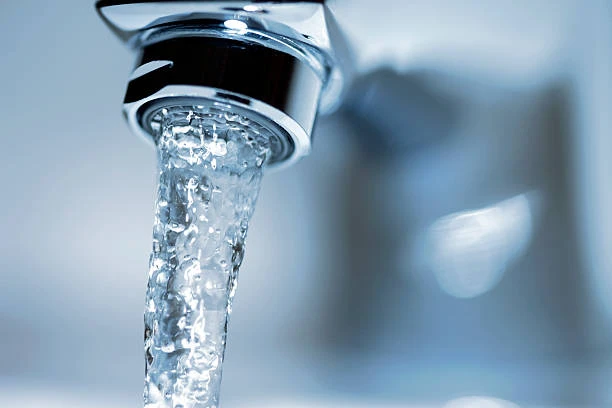
A cold tap is one of the most fundamental components of any water system, yet its proper use, maintenance, and selection are often overlooked. Whether in a residential kitchen, commercial facility, or outdoor installation, a cold tap plays a crucial role in delivering clean, cold water safely and efficiently.
What Is a Cold Tap?
A cold tap is a plumbing fixture designed to deliver unheated water directly from a water supply source. It is commonly installed in sinks, basins, outdoor garden hoses, laundry rooms, and utility areas.
Key characteristics of a cold tap:
- Supplies cold water only, typically around 5°C to 15°C depending on region and season.
- Connected directly to the main water supply line.
- Often used independently or alongside a hot tap as part of a dual-handle faucet.
- Made from materials like brass, stainless steel, or plastic, depending on the application.
Where Is a Cold Tap Commonly Used?
A cold tap is widely applicable in both domestic and commercial settings. Here’s how:
1. In the Kitchen
In most homes, the cold tap is part of the kitchen sink faucet, used for:
- Drinking water
- Rinsing vegetables
- Washing dishes with cold water
- Filling kettles and water bottles
Many households use the cold tap as the primary source of potable water, especially in regions where tap water is safe to drink.
2. In the Bathroom
Cold taps are installed:
- On hand basins (often as a separate handle)
- In bidets
- For flushing toilet tanks (connected directly to cold water feed)
3. In the Garden or Outdoors
An outdoor cold tap is typically a hose bib or wall-mounted faucet used for:
- Watering plants
- Washing vehicles
- Cleaning outdoor tools and surfaces
Outdoor cold taps must be made of frost-resistant materials in cold climates to prevent freezing and bursting.
4. In Utility and Laundry Rooms
Used for connecting to washing machines or utility sinks. These taps are often:
- ¾ inch BSP thread compatible
- Connected to pressure-controlled cold water lines
- Used for filling mop buckets and cleaning containers
How to Use a Cold Tap Properly
✅ Turning It On and Off
A cold tap may use:
- A traditional handle (quarter turn or full turn)
- A lever-type handle
- A sensor-activated mechanism (in commercial settings)
Always open the cold tap slowly to prevent sudden water hammering or splashing. Close it firmly but without over-tightening, which can damage the washer or ceramic disc.
✅ Connecting Appliances
When connecting appliances like dishwashers or washing machines to a cold tap:
- Use a certified hose connector
- Check for leaks after installation
- Ensure the pressure is within manufacturer specifications
✅ Water Flow Regulation
Cold taps usually come with built-in aerators or flow restrictors to limit water consumption. These should be cleaned regularly to maintain a stable and hygienic flow.
Maintenance Tips for Cold Taps
Proper maintenance ensures long-term use and reduces the risk of leaks or inefficiencies.
1. Clean the Aerator
Mineral deposits can block the cold tap’s aerator over time. Unscrew and clean it every 3–6 months to maintain flow quality.
2. Check for Drips
A dripping cold tap indicates a worn washer or ceramic cartridge. Replace it promptly to save water and prevent limescale build-up.
3. Protect Outdoor Taps in Winter
In cold regions, always:
- Shut off the outdoor cold tap supply from the inside
- Drain the line
- Use a tap cover or insulate with foam
4. Use Anti-Backflow Devices
In installations where contamination is a risk (e.g., garden hoses), fit a non-return valve or backflow preventer.
Safety and Hygiene Considerations
Since a cold tap is often the source of drinking water, hygiene is essential.
🔹 Use Certified Materials
Choose taps made from lead-free brass or NSF/WRAS-certified plastics to ensure safe water delivery.
🔹 Avoid Cross-Contamination
Never submerge the outlet of a cold tap in dirty water (e.g., mop buckets), as this can draw contaminants into the water line.
🔹 Sanitize Periodically
In commercial kitchens or healthcare settings, cold taps should be:
- Sanitized regularly
- Monitored for Legionella prevention
Environmental Impact
Using a cold tap is more energy-efficient than heating water for every task. Here are some eco-friendly benefits:
- Reduces energy usage (no boiler or heater needed)
- Ideal for cold-only appliances like modern washing machines
- Limits overuse of heated water in households
When paired with flow-regulated heads, cold taps can drastically reduce water waste.
Choosing the Right Cold Tap
When selecting a cold tap for installation or replacement, consider the following:
| Criteria | Recommendation |
|---|---|
| Material | Brass or stainless steel for durability |
| Thread Size | Standard ½” for sinks, ¾” for washing machines |
| Mounting Type | Wall-mounted, deck-mounted, or bib tap |
| Handle Type | Lever for ease, ceramic disc for longevity |
| Certification | WRAS, NSF, or local sanitary approvals |
Conclusion
The cold tap is an essential yet often underestimated element of any plumbing system. From kitchen sinks to outdoor spigots, its correct usage ensures safe, efficient, and hygienic water delivery. Whether you’re installing a new cold tap or maintaining an existing one, understanding how it works — and how to use it properly — contributes to water conservation, system longevity, and everyday comfort.
For homeowners, facility managers, and DIY enthusiasts, mastering the proper use is a small yet significant step toward smarter, more sustainable living.
IFAN International Standards
To meet global quality demands, IFAN HDPE pipes follow a wide range of international standards, such as ASTM D3035, ISO 4427, EN 12201, and GB/T 13663. These standards define the pipe’s strength, durability, and safety. Moreover, IFAN complies with DIN 8074/8075, AS/NZS 4130, JIS K6760, BS 6572, and CSA B137.1, making their products suitable for water, gas, and industrial systems worldwide. Because IFAN meets all these trusted certifications, users can confidently choose IFAN for reliable performance in any environment.
Connect
IFAN is a Chinese manufacturer of plastic pipes, fittings and valves with 30 years of experience. If you are interest in IFAN copper fittings, copper valves, plastic pipes and fittings, please contact us. IFAN offers you a variety of standard pipes to meet your specific needs. Click below to learn more about IFAN’s wide range of affordable and cost-effective valve products and piping system related products.
We will reply your email or fax within 24 hours.
You can call us at any time if there is any question on our production.
For more information,pls visit our webside https://www.waterpipefactory.com/
Pls Mailto: [email protected]
Whatsapp: + 86 152 1588 7738