
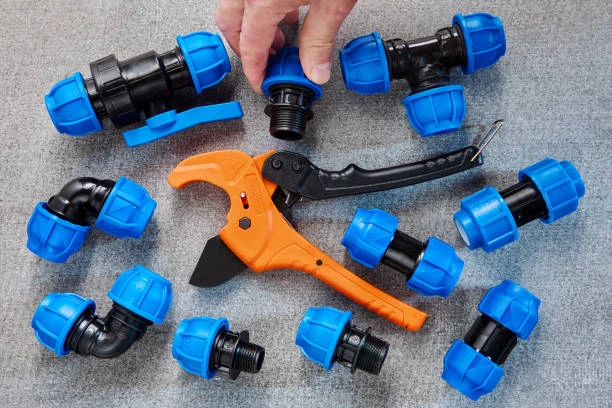
In today’s competitive industrial world, materials play a crucial role in shaping the success of any project. Among various materials, high density plastics have emerged as top choices for industries that demand strength, durability, and versatility. Specifically, High Density Polyethylene (HDPE) stands out as a material that delivers exceptional performance across diverse applications.
Comparison of Common High Density Plastics for Industry
| Property / Material | HDPE | Polypropylene (PP) | Polycarbonate (PC) | Polyamide (Nylon) |
|---|---|---|---|---|
| Density (g/cm³) | 0.94 – 0.97 | 0.90 – 0.91 | 1.20 – 1.22 | 1.13 – 1.15 |
| Tensile Strength (MPa) | 20 – 40 | 30 – 40 | 60 – 70 | 70 – 90 |
| Chemical Resistance | Excellent | Good | Moderate | Good |
| Impact Resistance | Excellent | Good | Excellent | Good |
| Temperature Range (°C) | -50 to 80 | -20 to 100 | -40 to 130 | -40 to 120 |
| UV Resistance | Excellent (with carbon black) | Moderate | Poor | Poor |
| Common Industrial Uses | Pipes, tanks, linings, packaging | Containers, automotive parts | Safety equipment, lenses | Gears, bearings, mechanical parts |
Why High Density Plastics Matter in Industry
High density plastics refer to polymers with tightly packed molecular chains, giving them superior strength and resistance to chemicals, wear, and environmental factors. This compact structure makes these plastics ideal for industrial uses where reliability and long service life are essential.
Compared to traditional materials like metals or lower-grade plastics, high density plastics offer several advantages:
- Corrosion Resistance: Unlike metals, HDPE does not rust or corrode.
- Lightweight: Easier handling and transportation reduce overall project costs.
- Chemical Resistance: It withstands acids, bases, and solvents, making it ideal for chemical storage or piping.
- Flexibility and Strength: Provides toughness without brittleness, important for heavy-duty machinery parts or structural components.
Key High Density Plastic Types Used in Industry
While HDPE is the most widely recognized, other high density plastics include:
- Polypropylene (PP): Slightly less dense but with good chemical resistance and fatigue strength.
- Polycarbonate (PC): Known for clarity and impact resistance, used in safety equipment and protective gear.
- Polyamide (Nylon): Strong and wear-resistant, common in gears and bearings.
Among these, HDPE dominates for applications that require a combination of toughness, chemical inertness, and cost-effectiveness
Applications of High Density Plastics in Industry
Industries use high density plastics in various ways to improve efficiency and product longevity:
- Piping Systems: HDPE pipes comply with ASTM D3035, ISO 4427, and EN 12201, making them perfect for water, gas, and chemical transport.
- Chemical Storage Tanks: HDPE tanks safely hold aggressive chemicals without degrading.
- Industrial Linings: High density plastic sheets line tanks and containers, preventing corrosion and contamination.
- Mechanical Parts: Components such as gears, rollers, and bushings benefit from high density plastics due to their wear resistance.
- Packaging: Strong yet lightweight containers made from HDPE protect goods during shipping and storage.
Advantages Over Conventional Materials
Using high density plastics brings multiple benefits over metals and other materials:
- Cost Efficiency: Lower production and maintenance costs save money in the long term.
- Easy Fabrication: HDPE and other plastics can be molded, welded, and machined with less effort.
- Safety: Plastics are non-toxic, with no risk of metal contamination or corrosion-related hazards.
- Sustainability: Many high density plastics are recyclable, reducing environmental impact.
Meeting Industry Standards: Quality You Can Trust
Choosing plastics that meet international standards ensures reliability and compliance:
- ASTM D3035 & ISO 4427: Specify HDPE pipe quality for potable water and gas systems.
- EN 12201 & GB/T 13663: European and Chinese standards for plastic piping systems.
- DIN 8074/8075 & AS/NZS 4130: Additional certifications covering mechanical properties and durability.
Leading suppliers like IFAN provide products certified under these standards, giving industries peace of mind.
Conclusion
High density plastics, particularly HDPE, offer industrial sectors versatile, durable, and cost-effective material solutions. Their resistance to chemicals, environmental stress, and mechanical wear makes them indispensable in modern manufacturing and infrastructure.
By choosing high density plastic solutions, industries can achieve better performance, longer service life, and lower total costs—key factors for sustained success.
IFAN International Standard: Global Certifications You Can Trust
When choosing HDPE plastic for industrial or plumbing use, compliance with international standards is essential. IFAN HDPE products meet or exceed the most recognized certifications worldwide, ensuring safety, performance, and compatibility. These include ASTM D3035 and ASTM D3350 (USA), ISO 4427 (global), EN 12201 (Europe), DIN 8074/8075 (Germany), GB/T 13663 (China), AS/NZS 4130 (Australia/New Zealand), JIS K6760 (Japan), BS 6572 (UK), and CSA B137.1 (Canada). Whether you’re building a water supply system or manufacturing components, IFAN ensures you receive products that meet the highest global standards.
Connect
IFAN is a Chinese manufacturer of plastic pipes, fittings and valves with 30 years of experience. If you are interest in IFAN copper fittings, copper valves, plastic pipes and fittings, please contact us. IFAN offers you a variety of standard pipes to meet your specific needs. Click below to learn more about IFAN’s wide range of affordable and cost-effective valve products and piping system related products.
We will reply your email or fax within 24 hours.
You can call us at any time if there is any question on our production.
For more information,pls visit our webside https://www.waterpipefactory.com/
Pls Mailto: [email protected]
Whatsapp: + 86 152 1588 7738