
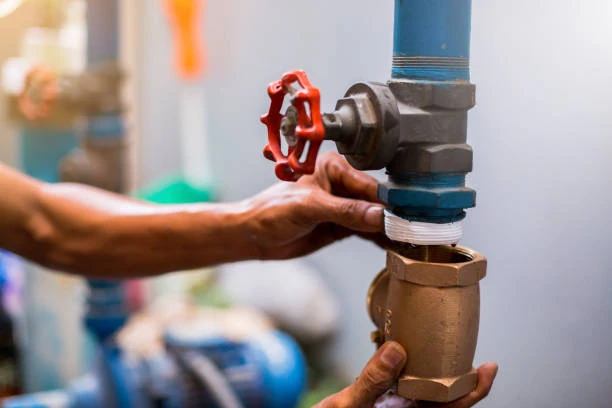
The Role of Composite Materials in Brass Angle Valves
Brass angle valves have served as essential components in plumbing systems for years, offering durability and efficient water flow control. However, advancements in material technology have led to the integration of composite materials with brass, enhancing performance and sustainability. Composite brass angle valves combine the strength of brass with lightweight, corrosion-resistant materials to improve efficiency and longevity. This article explores the benefits, structure, and applications of composite brass angle valves.
1. Understanding Composite Brass Angle Valves
A composite brass angle valve integrates brass with other materials, such as high-performance polymers, stainless steel, or advanced coatings. This combination optimizes weight, corrosion resistance, and cost-efficiency while maintaining the valve’s mechanical strength. Engineers design these valves to withstand harsh water conditions and extended usage, making them ideal for both residential and industrial plumbing systems.
2. Material Composition and Structural Advantages
Composite brass angle valves utilize a strategic blend of materials to enhance their properties. Brass provides the core structure, ensuring strength and resistance to high pressure. Composite elements, such as reinforced polymer components or protective coatings, reduce weight and prevent chemical degradation. This hybrid construction improves the valve’s thermal stability and extends its lifespan by minimizing wear caused by harsh water conditions.
3. Corrosion Resistance and Longevity
Traditional brass valves experience corrosion when exposed to aggressive water environments, such as high-chlorine or acidic water sources. By integrating corrosion-resistant composites, manufacturers enhance the valve’s ability to withstand these conditions without degradation. Polymer reinforcements or specialized coatings act as barriers, preventing oxidation and mineral buildup inside the valve. This improvement ensures long-term efficiency and reduces maintenance costs.
4. Weight Reduction for Easier Installation
Brass valves, while durable, tend to be heavy, making installation more labor-intensive. The integration of lightweight composite materials reduces overall valve weight without compromising structural integrity. Plumbers and contractors benefit from easier handling, quicker installations, and reduced strain on pipe connections. This weight reduction proves particularly useful in large-scale plumbing projects and high-rise building installations.
5. Enhanced Flow Control and Seal Performance
Composite elements in brass angle valves improve internal flow control by reducing friction and optimizing water passage. Advanced sealing materials, such as PTFE (polytetrafluoroethylene) or elastomer composites, ensure a secure, leak-proof closure. These enhancements prevent common issues like water hammer, pressure loss, and dripping, ensuring smooth operation over extended periods.
6. Cost Efficiency and Sustainability
The combination of brass and composite materials reduces production costs by optimizing raw material usage. Composite brass angle valves require fewer brass components, lowering manufacturing expenses while maintaining high performance. Additionally, the integration of recyclable and eco-friendly composites supports sustainability initiatives. Many manufacturers now focus on developing lead-free and environmentally safe alternatives for plumbing systems.
7. Applications in Modern Plumbing Systems
Composite brass angle valves find applications in residential, commercial, and industrial plumbing systems. Their resistance to extreme temperatures, corrosion, and high-pressure environments makes them ideal for HVAC systems, irrigation networks, and potable water installations. Smart plumbing solutions increasingly adopt composite-enhanced valves for their reliability and adaptability in various settings.
8. Conclusion: The Future of Composite Brass Angle Valves
Composite brass angle valves represent the next step in plumbing innovation, combining strength, efficiency, and sustainability. By integrating advanced materials, manufacturers enhance durability, reduce weight, and improve corrosion resistance. These valves provide long-term reliability while supporting eco-friendly construction practices. As plumbing technology continues to evolve, composite brass angle valves will play a crucial role in delivering high-performance solutions for modern infrastructure.
IFAN Ball Valves: Global Compliance & Precision
IFAN designs chromed brass ball valve meeting global standards—ASTM D2513, ISO 4437, EN 1555, DIN 8074/8075, GB/T 13663, AS/NZS 4130, BS 5405, CSA B137.1, and JIS B 8381—ensuring durability, leak-proof performance, and compatibility across residential, industrial, and municipal applications worldwide.
Connect
IFAN is a Chinese manufacturer of plastic pipes, fittings and valves with 30 years of experience. If you are interest in IFAN copper fittings, copper valves, plastic pipes and fittings, please contact us. IFAN offers you a variety of standard pipes to meet your specific needs. Click below to learn more about IFAN’s wide range of affordable and cost-effective valve products and piping system related products.
We will reply your email or fax within 24 hours.
You can call us at any time if there is any question on our production.
For more information,pls visit our webside https://www.waterpipefactory.com/
Pls Mailto: [email protected]
Whatsapp: + 86 152 1588 7738