
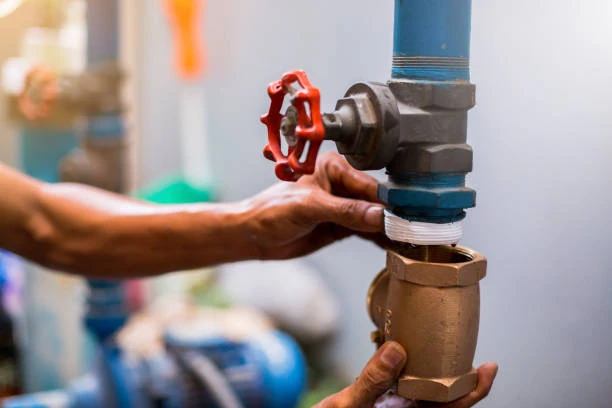
Introduction: The Precision Behind Brass Angle Valve Manufacturing
Brass angle valves play a crucial role in plumbing systems by controlling water flow with efficiency and durability. Manufacturing these valves requires precision, high-quality materials, and advanced production techniques. Every step in the process ensures that the final product meets industry standards for reliability and longevity. This article explores how manufacturers produce brass angle valves, from raw material selection to final quality control.
1. Selecting High-Quality Brass Material
The manufacturing process begins with selecting the right brass alloy. Manufacturers prefer brass due to its corrosion resistance, strength, and machinability. A proper mix of copper and zinc ensures optimal performance. Depending on application requirements, some manufacturers incorporate additional elements like lead-free compositions for drinking water safety. The right material composition ensures that the valve withstands high pressure and extreme temperatures.
2. Casting the Brass Valve Body
After selecting the material, manufacturers proceed to the casting stage. They melt the brass at high temperatures and pour it into precision-engineered molds shaped like the angle valve body. This process ensures that the valve forms with a solid and durable structure. Once cooled, the rough castings move to the next stage for refining and machining. Modern foundries use advanced casting techniques like sand casting or investment casting to achieve precise shapes and dimensions.
3. Machining and Shaping the Valve Components
Once the casting process finishes, machining operations refine the valve body and internal components. CNC (Computer Numerical Control) machines cut, drill, and shape the brass parts to achieve exact specifications. These machines ensure smooth surfaces, accurate threading, and precise alignment for proper functionality. Machining also creates the internal flow paths, allowing water to pass through efficiently. High precision in this stage guarantees leak-proof operation when assembled.
4. Assembling the Valve Components
The next step involves assembling the different components of the brass angle valve. Manufacturers attach the valve stem, handle, rubber seals, and other essential parts. A strong connection between these components ensures smooth operation and prevents leaks. Threaded joints, O-rings, and sealing elements undergo careful fitting to enhance durability. Proper alignment in this stage prevents future malfunctions and ensures long-term reliability.
5. Applying Surface Treatment and Coating
To enhance corrosion resistance and aesthetics, manufacturers apply various surface treatments to the brass valve. Some valves receive a chrome-plated finish for a polished look and additional protection. Others undergo nickel coating or other protective treatments to prevent oxidation and extend lifespan. This step ensures that the valve withstands harsh environments, including high moisture and varying temperatures. Surface treatment improves both durability and visual appeal.
6. Conducting Pressure and Leak Tests
Before releasing the valve for commercial use, manufacturers conduct rigorous testing to ensure quality and safety. Pressure tests verify that the valve can handle high water pressure without leaks or structural failures. Leak tests detect any weak points in the assembly, ensuring a secure seal. Functional tests confirm that the valve opens and closes smoothly. Every unit must pass these tests to meet industry regulations and maintain performance standards.
7. Packaging and Distribution
After passing quality tests, manufacturers package the brass angle valves for shipping. Packaging protects the valves from damage during transportation. Depending on the target market, manufacturers include installation instructions and product details. Efficient logistics ensure that wholesalers, retailers, and contractors receive the valves in perfect condition. Proper packaging reduces the risk of defects before installation.
8. Conclusion: Ensuring Quality in Brass Angle Valve Production
Manufacturing brass angle valves involves a precise and carefully controlled process to ensure durability, functionality, and safety. Every stage, from material selection to final testing, contributes to a high-quality product. By using advanced machining, assembly, and quality control techniques, manufacturers create valves that perform efficiently in residential, commercial, and industrial applications. Choosing a well-manufactured brass angle valve guarantees long-lasting performance and reliable plumbing solutions.
IFAN Ball Valves: Global Compliance & Precision
IFAN designs chromed brass ball valve meeting global standards—ASTM D2513, ISO 4437, EN 1555, DIN 8074/8075, GB/T 13663, AS/NZS 4130, BS 5405, CSA B137.1, and JIS B 8381—ensuring durability, leak-proof performance, and compatibility across residential, industrial, and municipal applications worldwide.
Connect
IFAN is a Chinese manufacturer of plastic pipes, fittings and valves with 30 years of experience. If you are interest in IFAN copper fittings, copper valves, plastic pipes and fittings, please contact us. IFAN offers you a variety of standard pipes to meet your specific needs. Click below to learn more about IFAN’s wide range of affordable and cost-effective valve products and piping system related products.
We will reply your email or fax within 24 hours.
You can call us at any time if there is any question on our production.
For more information,pls visit our webside https://www.waterpipefactory.com/
Pls Mailto: [email protected]
Whatsapp: + 86 152 1588 7738