
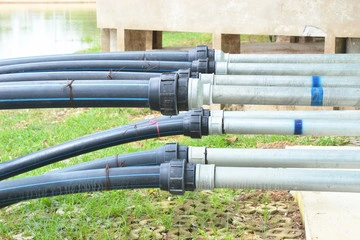
HDPE Drainage Pipes: Benefits for Agriculture and Urban Projects
Drainage plays a crucial role in both agriculture and urban development. Efficient drainage systems prevent waterlogging, improve soil health, and protect infrastructure. Among various materials, HDPE drainage pipes have gained popularity due to their unique advantages. This article explains why HDPE drainage pipes stand out and how they benefit agricultural and urban projects.
What Are HDPE Drainage Pipes?
HDPE drainage pipes are made from high-density polyethylene, a durable plastic known for its strength and flexibility. These pipes are designed specifically to carry away excess water from fields, roads, and buildings. Thanks to their smooth inner surfaces, they allow water to flow quickly without blockages. Moreover, HDPE pipes resist corrosion and chemicals, making them suitable for harsh environments.
Benefits in Agricultural Projects
In agriculture, proper drainage is essential for healthy crops and soil management. HDPE drainage pipes offer several benefits for farmers:
- Improved Soil Drainage: Excess water can suffocate plant roots. HDPE pipes help remove this water efficiently, preventing root rot and promoting growth.
- Resistance to Chemicals and Abrasion: Fertilizers and pesticides can degrade many pipe materials. HDPE pipes resist these chemicals, ensuring a longer lifespan.
- Flexibility in Installation: Fields often have uneven terrain. HDPE pipes bend easily, allowing installation without excessive jointing or cutting.
- Cost-Effectiveness: Though the initial price may be slightly higher than traditional pipes, HDPE pipes reduce maintenance costs over time.
Advantages in Urban Drainage Systems
Urban areas face unique drainage challenges, such as heavy rainfall and stormwater runoff. HDPE drainage pipes are ideal for these applications because:
- High Durability: They withstand external loads from traffic and construction without cracking.
- Corrosion Resistance: Urban wastewater may contain harsh chemicals. HDPE pipes resist corrosion and chemical attack, avoiding leaks and damage.
- Lightweight and Easy to Handle: Installation is faster and less labor-intensive compared to concrete or metal pipes.
- Smooth Inner Surface: This reduces sediment build-up and clogging, ensuring consistent drainage flow.
Environmental Benefits of HDPE Pipes
Sustainability is a growing concern in infrastructure projects. HDPE drainage pipes contribute positively to the environment in several ways:
- Recyclable Material: HDPE is fully recyclable, reducing waste after the pipes’ service life ends.
- Long Lifespan: Their durability means fewer replacements, which saves resources and energy.
- Reduced Carbon Footprint: Lightweight pipes require less energy to transport and install compared to heavier alternatives.
Common Applications of HDPE Drainage Pipe
Because of their benefits, HDPE drainage pipes are widely used in:
- Agricultural field drainage and irrigation systems.
- Urban stormwater management and sewer systems.
- Landscaping and golf course drainage.
- Industrial drainage requiring chemical resistance.
Installation Tips for HDPE Drainage Pipes
To get the most out of HDPE pipes, proper installation is key:
- Ensure the trench is smooth and free of sharp rocks.
- Use proper jointing methods like butt fusion or electrofusion to avoid leaks.
- Follow manufacturer guidelines for backfilling and compaction.
- Inspect pipes regularly for damage during and after installation.
Cost Considerations
While HDPE drainage pipes may have a higher upfront cost than some alternatives, their longevity and low maintenance often result in better value. Additionally, faster installation saves on labor costs. For large-scale projects, negotiating bulk purchase prices can also lower expenses.
Conclusion
HDPE drainage pipes offer a reliable, cost-effective solution for both agricultural and urban drainage needs. Their strength, flexibility, and resistance to environmental factors make them an excellent choice. Whether managing water in crop fields or handling stormwater in cities, HDPE pipes deliver performance and sustainability. Choosing HDPE drainage pipes ensures a long-lasting, efficient drainage system that supports healthy land and infrastructure.
IFAN International Standards
To meet global quality demands, IFAN HDPE pipes follow a wide range of international standards, such as ASTM D3035, ISO 4427, EN 12201, and GB/T 13663. These standards define the pipe’s strength, durability, and safety. Moreover, IFAN complies with DIN 8074/8075, AS/NZS 4130, JIS K6760, BS 6572, and CSA B137.1, making their products suitable for water, gas, and industrial systems worldwide. Because IFAN meets all these trusted certifications, users can confidently choose IFAN for reliable performance in any environment.
Connect
IFAN is a Chinese manufacturer of plastic pipes, fittings and valves with 30 years of experience. If you are interest in IFAN copper fittings, copper valves, plastic pipes and fittings, please contact us. IFAN offers you a variety of standard pipes to meet your specific needs. Click below to learn more about IFAN’s wide range of affordable and cost-effective valve products and piping system related products.
We will reply your email or fax within 24 hours.
You can call us at any time if there is any question on our production.
For more information,pls visit our webside https://www.waterpipefactory.com/
Pls Mailto: [email protected]
Whatsapp: + 86 152 1588 7738