
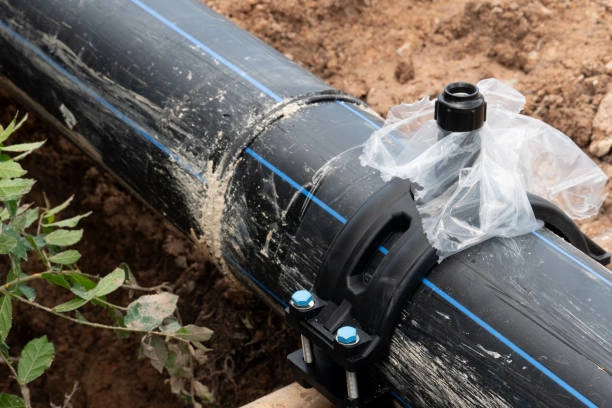
Using HDPE Pipes for Gas Distribution Safety and Advantages
High-Density Polyethylene (HDPE) pipes have become a popular choice for gas distribution systems worldwide. Their unique properties make them an excellent alternative to traditional metal pipes. In this article, we will explore why using HDPE pipes for gas distribution is a smart decision, focusing on their safety features and numerous advantages.
What Makes HDPE Pipes Suitable for Gas Distribution?
First and foremost, HDPE pipes have exceptional chemical resistance. This means they do not corrode or rust, unlike metal pipes, which can degrade over time and cause leaks. This property greatly enhances the safety of gas distribution, as it reduces the risk of pipeline failures. Additionally, HDPE pipes are flexible, allowing them to withstand ground movements or vibrations without cracking. This flexibility is vital for underground gas pipelines, which often face shifting soil or seismic activities.
Safety Benefits of Using HDPE Pipes
Safety is a top priority when handling gas. HDPE pipes provide a non-toxic and leak-proof solution. Their jointing methods, such as heat fusion welding, create a seamless and robust connection that minimizes leak risks. Moreover, HDPE pipes resist stress cracking and impact damage, which helps maintain the integrity of the gas supply. Because they are lightweight, installation teams can handle and place them more safely and efficiently, reducing the risk of accidents during installation.
Environmental and Economic Advantages
Using HDPE pipes for gas distribution also offers environmental benefits. They are recyclable, reducing waste and environmental impact. Their long lifespan means fewer replacements and less maintenance, which saves money and resources. From an economic perspective, HDPE pipes lower installation costs because of their lightweight nature and flexibility. The pipes require fewer fittings and joints, which simplifies the pipeline layout and reduces potential failure points.
How to Ensure Safe Installation of HDPE Gas Pipes
While HDPE pipes offer many advantages, proper installation is crucial. Trained professionals should handle the welding and joining processes to ensure airtight seals. It is important to follow local codes and standards for gas distribution to guarantee safety. Additionally, periodic inspections and maintenance help detect any potential issues early. Using HDPE pipes in gas distribution requires not only quality materials but also skilled installation and monitoring.
Common Applications of HDPE Pipes in Gas Distribution
HDPE pipes are widely used in residential, commercial, and industrial gas systems. They are suitable for both low and medium-pressure gas distribution. Their ability to withstand various environmental conditions makes them ideal for urban and rural settings. Whether supplying natural gas or propane, HDPE pipes provide a reliable conduit that meets safety and performance standards.
Comparing HDPE Pipes with Traditional Gas Pipes
Compared to steel or iron pipes, HDPE pipes are easier to install and maintain. They eliminate corrosion issues and reduce leak risks, which are common problems with metal pipes. Their flexibility also allows easier handling in difficult terrains. While initial costs may be comparable, the reduced maintenance and longer lifespan make HDPE pipes more cost-effective over time.
Future Trends in Gas Distribution with HDPE Pipes
As the demand for safer and more sustainable infrastructure grows, HDPE pipes continue to gain popularity. Advances in material technology improve their strength and resistance, making them suitable for higher pressure applications. The focus on reducing environmental impact and improving safety will likely increase the use of HDPE pipes in gas distribution projects worldwide.
Final Thoughts
Using HDPE pipes for gas distribution combines safety, durability, and cost-efficiency. Their resistance to corrosion, flexibility, and reliable jointing methods make them a top choice for modern gas systems. When installed correctly, HDPE pipes provide a secure and long-lasting solution for gas distribution needs.
IFAN International Standards
To meet global quality demands, IFAN HDPE pipes follow a wide range of international standards, such as ASTM D3035, ISO 4427, EN 12201, and GB/T 13663. These standards define the pipe’s strength, durability, and safety. Moreover, IFAN complies with DIN 8074/8075, AS/NZS 4130, JIS K6760, BS 6572, and CSA B137.1, making their products suitable for water, gas, and industrial systems worldwide. Because IFAN meets all these trusted certifications, users can confidently choose IFAN for reliable performance in any environment.
Connect
IFAN is a Chinese manufacturer of plastic pipes, fittings and valves with 30 years of experience. If you are interest in IFAN copper fittings, copper valves, plastic pipes and fittings, please contact us. IFAN offers you a variety of standard pipes to meet your specific needs. Click below to learn more about IFAN’s wide range of affordable and cost-effective valve products and piping system related products.
We will reply your email or fax within 24 hours.
You can call us at any time if there is any question on our production.
For more information,pls visit our webside https://www.waterpipefactory.com/
Pls Mailto: [email protected]
Whatsapp: + 86 152 1588 7738