
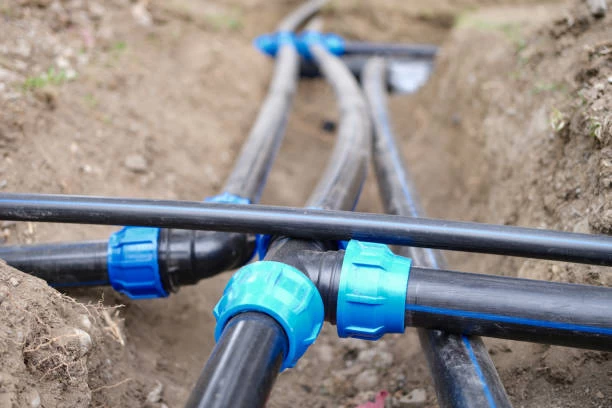
High-Density Polyethylene (HDPE) plastic pipes are increasingly recognized as a critical component in wastewater treatment systems due to their outstanding durability, flexibility, and performance. The unique properties of HDPE pipes make them an ideal choice for conveying wastewater, ensuring that treatment systems function efficiently while minimizing maintenance and environmental impact. This article explores the advantages of HDPE plastic pipes in wastewater treatment, highlighting their role in improving system efficiency, sustainability, and long-term reliability.
Durability and Resistance to Corrosion
One of the standout benefits of HDPE plastic pipes in wastewater treatment is their impressive durability. Unlike traditional materials such as metal or concrete, HDPE pipes are highly resistant to corrosion, which is a significant concern in wastewater systems. Corrosive wastewater, particularly in sewer lines or industrial effluent systems, can rapidly deteriorate pipes made from conventional materials, leading to costly repairs and leaks. HDPE pipes, on the other hand, maintain their structural integrity over long periods, even in harsh chemical environments. This resistance to corrosion ensures that wastewater treatment systems continue to operate smoothly without frequent replacements or system downtimes.
Flexibility and Ease of Installation
HDPE pipes are renowned for their flexibility, which allows for easy installation even in challenging terrains. Wastewater systems often require pipes to navigate around obstacles, change directions, or adjust to varying ground conditions. HDPE pipes can bend and curve without cracking, enabling contractors to design and install systems with minimal disruption. This flexibility also makes HDPE pipes ideal for underground installations, as they can follow the natural contours of the land without the need for extensive excavation. Additionally, HDPE’s lightweight nature reduces transportation and handling costs, and the ease of installation helps save on labor costs and project timelines.
Leak-Free Connections and Improved System Integrity
One of the critical concerns in wastewater management is the risk of leaks, which can lead to contamination of the surrounding environment and inefficiencies in the system. HDPE plastic pipes offer reliable, leak-free connections through fusion welding. This process creates a continuous joint that is as strong and durable as the pipe itself, preventing leaks at the joints or along the pipeline. The smooth internal surface of HDPE pipes also prevents the buildup of debris or biological growth, ensuring a consistent flow of wastewater throughout the system. The integrity of the system is enhanced, reducing the need for costly repairs and improving the overall performance of the wastewater treatment process.
Resistance to Chemical and Biological Contaminants
Wastewater treatment systems deal with a wide range of chemical and biological contaminants, including acids, alkalis, oils, and organic materials. HDPE pipes provide excellent resistance to these substances, preventing the degradation or breakdown of the pipes. The material’s chemical resistance makes it suitable for the transportation of wastewater with varying levels of acidity or alkalinity, as well as for systems handling industrial effluent with harsh chemicals. Additionally, HDPE pipes are resistant to biological growth, such as algae and bacteria, which can clog or damage pipes over time. This resistance helps maintain system efficiency and ensures that wastewater is safely transported without compromising the pipes’ structural integrity.
Environmental Benefits and Sustainability
HDPE plastic pipes are an environmentally friendly option for wastewater treatment systems. The material is fully recyclable, making it easier to dispose of or repurpose once the pipes reach the end of their useful life. This recyclability helps reduce the environmental footprint of wastewater infrastructure projects. Moreover, the production of HDPE pipes requires less energy compared to metals or concrete, resulting in a lower carbon footprint during manufacturing. The long lifespan and durability of HDPE pipes further enhance their sustainability, as they reduce the need for frequent replacements, leading to less waste and fewer resources consumed over time. For environmentally-conscious municipalities and organizations, HDPE pipes represent a sustainable and eco-friendly solution for wastewater treatment.
Resistance to Environmental Stress and Impact
HDPE pipes are highly resistant to external stresses such as soil movement, impact from heavy equipment, and fluctuating temperatures. In areas prone to seismic activity, freezing temperatures, or heavy traffic loads, HDPE pipes provide a reliable and robust solution. These pipes are capable of withstanding ground movements without cracking or breaking, which is a common issue with more rigid materials like concrete or metal. In addition, HDPE pipes maintain their flexibility and strength even in extreme temperatures, ensuring that wastewater systems continue to operate without disruption. This resistance to environmental stresses makes HDPE an ideal choice for wastewater treatment systems in diverse and challenging conditions.
Cost-Effectiveness and Long-Term Savings
HDPE pipes offer significant cost savings throughout the lifecycle of a wastewater treatment system. The durability, low maintenance, and resistance to corrosion reduce the need for costly repairs, replacements, and system downtime. Additionally, the ease of installation and flexibility of HDPE pipes help reduce labor and excavation costs, making it a cost-effective solution for both small and large-scale wastewater treatment projects. Over time, the cost savings associated with HDPE pipes can significantly outweigh the initial investment, providing a highly economical option for wastewater infrastructure.
Versatility Across Wastewater Applications
HDPE plastic pipes are incredibly versatile and can be used in various wastewater treatment applications. Whether transporting wastewater from homes and businesses in municipal systems, handling industrial effluent in factories, or managing agricultural runoff, HDPE pipes meet the needs of a wide range of systems. The pipes can be used in gravity-fed sewer lines, pressure systems, and stormwater management systems. Their flexibility and resistance to a wide range of contaminants make them adaptable to different conditions, ensuring efficient wastewater transport in diverse environments. The versatility of HDPE pipes makes them a valuable asset in any wastewater treatment infrastructure project.
Conclusion
HDPE plastic pipes play an essential role in modern wastewater treatment systems, offering unparalleled durability, flexibility, and resistance to corrosion. Their ability to handle challenging environmental conditions, resist chemical and biological contaminants, and provide leak-free connections makes them an ideal choice for wastewater transport. HDPE pipes contribute to the sustainability and efficiency of treatment systems by reducing maintenance, improving water quality, and lowering operational costs. As demand for efficient and eco-friendly wastewater management solutions continues to grow, HDPE pipes will remain a leading choice for both municipal and industrial wastewater infrastructure projects. Their long-lasting performance and environmental benefits ensure they will continue to play a vital role in shaping the future of wastewater treatment.
Connect
IFAN is a Chinese manufacturer of plastic pipes, fittings and valves with 30 years of experience. If you are interest in IFAN copper fittings, copper valves, plastic pipes and fittings, please contact us. IFAN offers you a variety of standard pipes to meet your specific needs. Click below to learn more about IFAN’s wide range of affordable and cost-effective valve products and piping system related products.
We will reply your email or fax within 24 hours.
You can call us at any time if there is any question on our production.
For more information,pls visit our webside https://www.waterpipefactory.com/
Pls Mailto: [email protected]
Whatsapp: + 86 152 1588 7738