
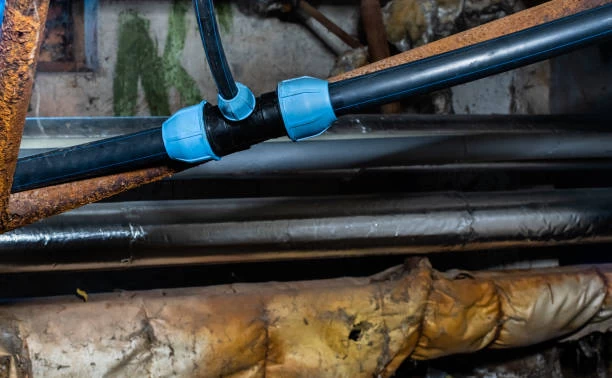
The market for High-Density Polyethylene (HDPE) plastic pipes has seen significant growth over the past few years. HDPE pipes are increasingly recognized for their durability, flexibility, and cost-effectiveness, making them a preferred choice in various industries, including water supply, wastewater treatment, construction, and agriculture. As global infrastructure projects expand, the demand for HDPE plastic pipes continues to rise. This article explores the current trends, drivers of demand, challenges, and future prospects for the HDPE pipe market.
Strong Demand Driven by Infrastructure Development
The demand for HDPE plastic pipes has been primarily driven by the ongoing growth of infrastructure projects worldwide. Governments and private sectors are investing heavily in modernizing water supply, wastewater, and drainage systems, especially in urbanizing regions. HDPE pipes, with their superior performance and relatively lower installation costs, are the ideal choice for these applications. As cities expand and industrialization progresses, the need for reliable, durable, and cost-efficient piping systems becomes even more critical, and HDPE plastic pipes fulfill this demand effectively. The growing population and urbanization in developing regions further fuel the demand for HDPE pipes in municipal water and sewage systems.
Market Expansion in Developing Economies
Developing economies are playing a pivotal role in expanding the HDPE pipe market. Countries in Asia, Africa, and Latin America are witnessing rapid urbanization and industrial growth, which significantly boosts the demand for HDPE pipes. These regions are investing in critical infrastructure, including potable water supply, sewage systems, and stormwater drainage. HDPE pipes, with their ability to withstand harsh environmental conditions and long-lasting performance, offer an ideal solution for these infrastructure projects. As these countries continue to modernize their infrastructure, the HDPE pipe market in these regions is expected to see substantial growth in the coming years.
Advantages of HDPE Pipes in Various Applications
HDPE plastic pipes provide multiple advantages that drive their growing adoption across various industries. In water supply systems, HDPE pipes offer resistance to corrosion, chemical degradation, and biological growth, ensuring a long lifespan with minimal maintenance. These pipes also feature a smooth internal surface that prevents sediment buildup and improves flow efficiency. In wastewater treatment, HDPE pipes’ resistance to chemicals, impacts, and environmental stresses makes them an ideal choice for transporting and processing effluent.
Rising Environmental Awareness and Sustainability
The global shift toward sustainability and environmental consciousness is driving the demand for eco-friendly construction materials. HDPE plastic pipes align well with these trends due to their recyclability and long service life. Unlike materials like metal and concrete, HDPE pipes do not corrode and are not prone to biological growth, which reduces the need for frequent replacements and repairs. Moreover, HDPE pipes require less energy to produce compared to other materials, contributing to lower carbon emissions.
Technological Advancements and Innovations
Technological advancements in the production and manufacturing of HDPE pipes have further propelled their market growth. The development of new manufacturing techniques has improved the overall quality of HDPE pipes, resulting in better performance, enhanced strength, and higher resistance to environmental conditions. Innovations in jointing technology, such as fusion welding, have also contributed to the rise of HDPE pipes. These advances ensure that HDPE pipes remain leak-free and offer superior strength at the joints, which is crucial for long-term performance in water and wastewater transport. The continuous innovation in materials science and pipe manufacturing is expected to make HDPE pipes even more efficient and cost-effective, driving future market expansion.
Competitive Pricing and Cost Advantages
The competitive pricing of HDPE pipes plays a crucial role in their growing market share. Compared to alternative materials such as metal, concrete, and PVC, HDPE pipes are often more affordable, both in terms of initial installation costs and long-term maintenance. HDPE pipes are lightweight, which reduces transportation costs, and their flexibility makes them easier to install without extensive excavation. The reduction in labor and installation costs, combined with the long lifespan and minimal maintenance required, makes HDPE pipes a cost-effective solution for both small-scale and large-scale projects. This cost advantage is a key factor driving the adoption of HDPE pipes in various industries, particularly in infrastructure projects with limited budgets.
Challenges Facing the HDPE Pipe Market
Despite the significant growth in demand, the HDPE pipe market faces a few challenges that could impact its expansion. One such challenge is the rising competition from alternative materials, particularly in niche applications. Materials like PVC, which offer similar benefits to HDPE pipes, may present competition, especially in applications where flexibility is less of a concern. Additionally, the price volatility of raw materials used in HDPE pipe production can affect the overall cost of manufacturing, potentially influencing market prices.
Future Prospects and Growth Opportunities
The future prospects for the HDPE pipe market appear strong, with continued growth expected in both developed and developing regions. The ongoing global urbanization, coupled with increasing investments in water and wastewater infrastructure, presents a promising market for HDPE pipes. Furthermore, the expanding agricultural sector, particularly in regions with arid climates, is likely to create significant demand for HDPE pipes used in irrigation systems. As governments and industries continue to prioritize sustainability and efficient resource management, HDPE pipes will remain an essential component of modern infrastructure. The market for HDPE pipes is expected to see continued innovation, leading to enhanced performance and even greater adoption across diverse sectors.
Conclusion
The HDPE plastic pipe market is growing rapidly, driven by the increasing need for durable, cost-effective, and sustainable solutions in water supply, wastewater treatment, and various industrial applications. The advantages of HDPE pipes, including their resistance to corrosion, flexibility, and long lifespan, make them a preferred choice for infrastructure projects worldwide.With significant growth opportunities in developing economies and a strong outlook for continued innovation, HDPE plastic pipes will remain a vital component in the development of global infrastructure.
Connect
IFAN is a Chinese manufacturer of plastic pipes, fittings and valves with 30 years of experience. If you are interest in IFAN copper fittings, copper valves, plastic pipes and fittings, please contact us. IFAN offers you a variety of standard pipes to meet your specific needs. Click below to learn more about IFAN’s wide range of affordable and cost-effective valve products and piping system related products.
We will reply your email or fax within 24 hours.
You can call us at any time if there is any question on our production.
For more information,pls visit our webside https://www.waterpipefactory.com/
Pls Mailto: [email protected]
Whatsapp: + 86 152 1588 7738