
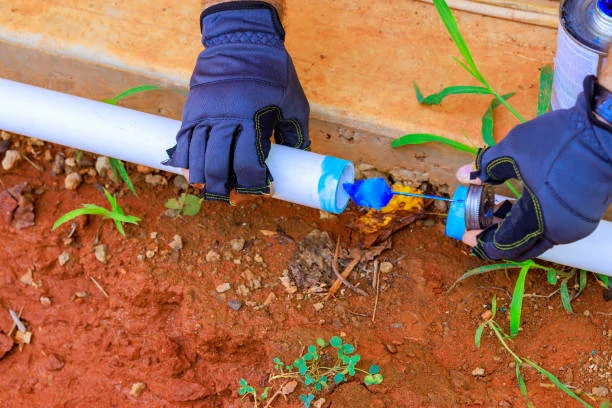
Introduction to PVC Tubings
PVC tubings is a flexible and versatile material used in a wide range of modern industries. It is made from polyvinyl chloride, a durable and cost-effective plastic that has become indispensable in many applications. PVC tubing is used in various industries due to its strength, flexibility, and resistance to chemicals and weather conditions. Whether for fluid transportation, medical applications, or industrial machinery, PVC tubing has proven to be an efficient and reliable material.
PVC Tubings in the Medical Industry
One of the most significant uses of PVC tubing is in the medical field. PVC tubing is commonly used in devices such as IV lines, catheters, and blood bags. Its flexibility and transparency allow healthcare providers to monitor fluid levels and ensure proper flow. PVC tubing is also biocompatible, which means it is safe for use in medical applications. The material can be sterilized, ensuring it meets the stringent hygiene standards required in healthcare settings. Its strength and durability make PVC tubing a reliable choice in life-saving devices.
Fluid Transport in Industrial Applications
In industrial settings, PVC tubing is widely used for transporting fluids, gases, and chemicals. Its resistance to corrosion and chemicals makes it ideal for use in factories, laboratories, and chemical plants. PVC tubing ensures that liquids and gases are safely transported without contamination or leakage. It is also resistant to wear and tear, making it suitable for high-pressure systems. The lightweight and flexible nature of PVC tubing make installation easier and more cost-effective, contributing to the efficiency of industrial processes.
PVC Tubings for Food and Beverage Applications
PVC tubing plays a key role in the food and beverage industry, where hygiene and safety are top priorities. It is used in systems that transport liquids such as juices, milk, and soft drinks. PVC tubing’s resistance to chemicals ensures that it does not interact with the liquids it carries, maintaining the purity of the products. PVC tubing is also easy to clean, ensuring that it meets the strict health standards required in food production. Its flexibility allows for easy integration into complex systems without compromising functionality.
PVC Tubings in Agriculture and Irrigation
PVC tubing is an essential component in modern agriculture, particularly for irrigation systems. The flexibility and durability of PVC tubing make it ideal for transporting water to crops, even in remote or uneven terrain. PVC tubing can be easily installed and customized to fit various irrigation needs, ensuring efficient water distribution. Additionally, PVC’s resistance to corrosion and weathering allows the tubing to withstand harsh outdoor conditions, ensuring the longevity of the irrigation system.
Lightweight and Easy to Handle
One of the main benefits of PVC tubing is its lightweight nature, making it easier to handle and install compared to other materials like metal. PVC tubing is easy to cut and shape, allowing for quick modifications during installation. This flexibility in design reduces installation time and labor costs, making PVC tubings a attractive option for many industries. Its lightweight nature also makes it easier to transport and store, reducing logistics and handling expenses.
Sustainable Use of PVC Tubing
PVC tubings are becoming more sustainable, with many manufacturers using recycled PVC in production. This reduces the need for virgin material and lessens the environmental impact of PVC tubing. Additionally, PVC tubing’s long lifespan means fewer replacements and less waste. The material is also recyclable, so used tubing can be repurposed at the end of its life cycle. This makes PVC tubing a more environmentally friendly option compared to other materials that may not be recyclable.
Conclusion
PVC tubings plays a crucial role in modern industries due to its versatility, strength, and cost-effectiveness. Its applications span across medical, industrial, agricultural, and food sectors, providing reliable solutions for fluid transport and more. With its lightweight nature, resistance to corrosion, and environmental benefits, PVC tubing continues to be an indispensable material in various industries. Its future looks bright as manufacturers continue to develop more sustainable and efficient PVC tubing options.
IFAN Global Standards
IFAN PVC pipes meet various international standards, ensuring high quality and reliability. ASTM 2846 and DIN 8079/8080 define pressure and material requirements. ASTM F441/F441M SCH80 and GB/T 18993 set specifications for industrial applications. AS/NZS 1477 and CSA B137.6 cover plumbing and drainage performance. NSF/ANSI 14 guarantees safety for potable water use. TIS 17-2532/1131-2535, BS 3505, and BS 4346 regulate construction and durability. ASTM D1785 SCH40/SCH80 and GB standards specify thickness and strength. DWV and ASTM D2665 address drainage and vent systems. ASTM D2241, ASTM D2729, and ISO 1452 provide pressure and dimension guidelines. EN ISO 1452, DIN 8061/8062, and GB/T 10002 ensure global compliance. JIS K6741 and CSA B137.3 define additional quality requirements.
Connect
IFAN is a Chinese manufacturer of plastic pipes, fittings and valves with 30 years of experience. If you are interest in IFAN copper fittings, copper valves, plastic pipes and fittings, please contact us. IFAN offers you a variety of standard pipes to meet your specific needs. Click below to learn more about IFAN’s wide range of affordable and cost-effective valve products and piping system related products.
We will reply your email or fax within 24 hours.
You can call us at any time if there is any question on our production.
For more information,pls visit our webside https://www.waterpipefactory.com/
Pls Mailto: [email protected]
Whatsapp: + 86 152 1588 7738