
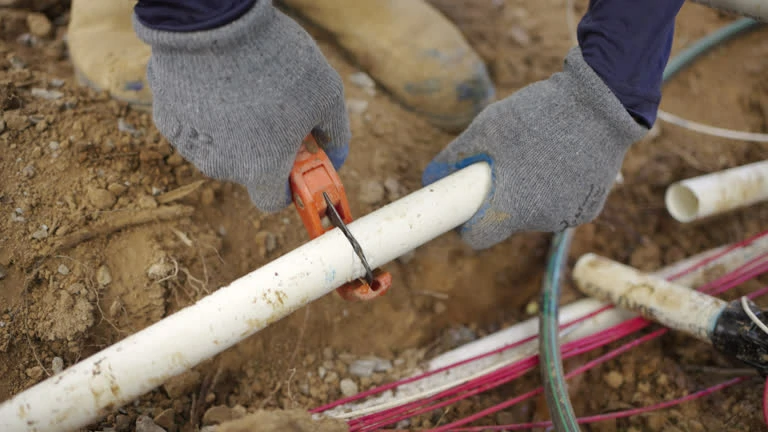
Introduction to PVC Pipe
A PVC pipe is a widely used material in water systems due to its strength, durability, and cost-effectiveness.PVC stands for polyvinyl chloride, a synthetic plastic polymer that provides a reliable solution for transporting water. The popularity of PVC pipe stems from their ability to withstand high pressure, resist corrosion, and remain functional for many years. Whether used for residential, commercial, or industrial purposes, PVC pipes play a crucial role in maintaining efficient and reliable water delivery systems.
Durability and Longevity
PVC pipe offer outstanding durability, making them an excellent choice for water systems. These pipes are resistant to corrosion, unlike metal pipe that can rust and degrade over time. PVC’s ability to resist wear and tear, along with its non-reactivity to most chemicals, ensures that pipes remain intact for long periods. The longevity of PVC pipes translates into fewer repairs and replacements, making them a cost-effective solution for water systems in the long run. Their performance in both low and high-pressure systems ensures their versatility across various applications.
Cost-Effectiveness
PVC pipes are highly cost-effective compared to other materials like copper or steel. Not only is PVC affordable to purchase, but the material is also lightweight, which lowers transportation and installation costs. The ease of handling and installation contributes to reducing labor expenses as well. Furthermore, PVC pipe require minimal maintenance, and their durability reduces the need for frequent repairs. This combination of low upfront and long-term costs makes PVC the go-to choice for water systems of all sizes.
Resistance to Corrosion and Chemicals
One of the main advantages of PVC pipe is their resistance to corrosion and chemicals. Unlike metal pipes that are prone to rust and deterioration, PVC pipes maintain their integrity in various environments. These pipes can handle exposure to water, chemicals, and even extreme weather conditions without degrading. This makes them an ideal choice for systems where the water being transported may contain chemicals or pollutants. Their resistance to corrosion ensures that the water remains uncontaminated and the pipes retain their strength over time.
Flexibility and Ease of Installation
PVC pipe offer significant flexibility, allowing them to be bent and shaped to fit into tight spaces without compromising their integrity. This flexibility, combined with the lightweight nature of PVC, makes installation fast and easy. PVC pipes do not require complex tools or welding for assembly; they can be joined using simple solvent-based adhesives. This ease of installation reduces the overall project time and helps to minimize labor costs. The ability to cut and fit PVC pipe to precise measurements also adds to the convenience during installation.
Environmental Benefits
PVC pipes offer several environmental benefits, especially when compared to other materials used in water systems. PVC is recyclable, meaning old pipes can be repurposed for other applications. Additionally, PVC pipes have a longer lifespan than many alternatives, reducing the need for frequent replacements. The energy consumption required to produce PVC pipe is also lower than that of metals, which helps reduce the overall carbon footprint. With sustainability becoming a key focus, PVC pipes provide an environmentally friendly solution for water infrastructure projects.
Versatility in Applications
PVC pipes are versatile and can be used in a wide range of water system applications. These pipes are commonly used for residential plumbing, irrigation systems, and municipal water supplies. PVC pipes are also used in industrial applications for transporting chemicals, gases, and other liquids. Their resistance to corrosion, ease of installation, and durability make them suitable for a wide range of environments, from household plumbing to large-scale industrial operations.
Conclusion
PVC pipes offer significant advantages for water systems due to their durability, cost-effectiveness, and versatility. They resist corrosion and chemicals, have a long lifespan, and require minimal maintenance. Whether for residential, commercial, or industrial applications, PVC pipes continue to be the top choice for water transportation systems. Their ability to reduce installation costs and their eco-friendly attributes make them a sustainable solution for the future of water infrastructure.
IFAN Global Standards
IFAN PVC pipes meet various international standards, ensuring high quality and reliability. ASTM 2846 and DIN 8079/8080 define pressure and material requirements. ASTM F441/F441M SCH80 and GB/T 18993 set specifications for industrial applications. AS/NZS 1477 and CSA B137.6 cover plumbing and drainage performance. NSF/ANSI 14 guarantees safety for potable water use. TIS 17-2532/1131-2535, BS 3505, and BS 4346 regulate construction and durability. ASTM D1785 SCH40/SCH80 and GB standards specify thickness and strength. DWV and ASTM D2665 address drainage and vent systems. ASTM D2241, ASTM D2729, and ISO 1452 provide pressure and dimension guidelines. EN ISO 1452, DIN 8061/8062, and GB/T 10002 ensure global compliance. JIS K6741 and CSA B137.3 define additional quality requirements.
Connect
IFAN is a Chinese manufacturer of plastic pipes, fittings and valves with 30 years of experience. If you are interest in IFAN copper fittings, copper valves, plastic pipes and fittings, please contact us. IFAN offers you a variety of standard pipes to meet your specific needs. Click below to learn more about IFAN’s wide range of affordable and cost-effective valve products and piping system related products.
We will reply your email or fax within 24 hours.
You can call us at any time if there is any question on our production.
For more information,pls visit our webside https://www.waterpipefactory.com/
Pls Mailto: [email protected]
Whatsapp: + 86 152 1588 7738