
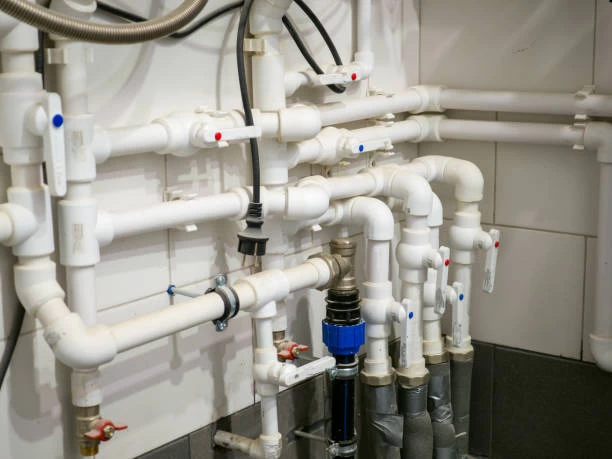
Water conservation has become an increasingly critical issue as the world faces growing environmental challenges, including water scarcity, climate change, and rising demand for natural resources. Sustainable practices in water management are necessary to mitigate the environmental impact of construction and infrastructure development. The PPR ball valve has emerged as a key component in modern piping systems that addresses the need for eco-friendly solutions. It plays a pivotal role in promoting efficient water use, reducing leaks, and supporting environmentally conscious building designs. This article will explore how PPR ball valves contribute to water conservation and environmental sustainability.
Understanding PPR Ball Valves
A PPR ball valve consists of a spherical valve body made of Polypropylene Random Copolymer (PPR) and a rotating ball inside that controls the flow of fluids. The design allows easy control of water flow with a simple 90-degree turn, fully opening or closing the valve. Unlike traditional metal valves, PPR ball valves utilize thermoplastic material, which offers high durability, resistance to corrosion, and long service life. These properties make PPR ball valves ideal for applications in residential, commercial, and industrial water systems that prioritize sustainability and efficiency.
Key Environmental Benefits of PPR Ball Valves
1. Minimizing Water Leakage
One of the primary causes of water wastage in building systems is leakage from piping networks, especially from malfunctioning or poorly sealed valves. Leaks often go unnoticed for long periods, leading to significant water loss and increasing the overall environmental footprint of a building. PPR ball valves feature a robust design that provides a tight seal, ensuring minimal leakage even after extended use. The precise control over water flow helps reduce unintended water loss, contributing directly to water conservation efforts.
In civil construction, builders can install PPR ball valves in various water systems. Such as household plumbing, irrigation, and industrial supply lines. The valves offer reliable shut-off capabilities, allowing users to stop the flow of water completely when it’s not needed. This level of control helps prevent unnecessary water waste and maintains system efficiency, ultimately reducing the strain on natural water resources.
2. Durability and Long Service Life
The long service life of PPR ball valves reduces the frequency of replacements, which minimizes waste and decreases the environmental impact of manufacturing and transportation. PPR’s durability stems from its resistance to corrosion, scaling, and chemical degradation, which commonly affect traditional metal valves. While metal valves often suffer from rust or material fatigue over time. PPR valves remain intact delivering consistent performance without degradation in water quality.
Fewer replacements mean reduced production of new valves, resulting in lower energy consumption and resource use. This durability factor helps civil construction projects adopt sustainable building practices by reducing material consumption and extending the lifespan of water distribution systems.
3. Energy-Efficient Manufacturing and Installation
PPR material offers several advantages in terms of production and installation. PPR ball valves require less energy to produce compared to metal alternatives, as the polymer can be molded and manufactured using energy-efficient processes. Additionally, PPR is a recyclable material, contributing to the reduction of waste in manufacturing industries. The ability to reuse and recycle PPR products aligns with broader environmental goals and supports a circular economy.
During installation, PPR ball valves also promote sustainability. The lightweight nature of PPR makes transportation easier and more energy-efficient. Construction teams can transport more valves per shipment, reducing fuel consumption and carbon emissions associated with logistics. Furthermore, the installation process of PPR ball valves, which relies on heat fusion techniques, creates a reliable.Leak-proof joints without the need for chemical adhesives or metal fasteners. This method not only saves installation time but also reduces the environmental footprint of construction materials.
4. Reduced Environmental Impact Through Chemical Resistance
PPR ball valves offer excellent resistance to chemicals and corrosive substances, which ensures that water passing through the valve remains uncontaminated. This property makes PPR ball valves suitable for various applications, from potable water systems to irrigation systems and wastewater management. Because PPR does not corrode or react with water, it helps maintain water purity and prevents the release of harmful substances into the environment.
In comparison, metal valves often suffer from corrosion, leading to rust particles or other contaminants mixing into the water supply. This can affect water quality, harm aquatic ecosystems, and increase the need for additional water treatment processes, which consume more energy and resources. By using PPR ball valves, builders and facility managers can help safeguard the environment from such risks, contributing to cleaner water systems and healthier ecosystems.
5. Supporting Smart Water Management
Technological advancements in water management have enabled the development of smart building systems that monitor and regulate water use. PPR ball valves can integrate with these smart systems, allowing for automated control of water flow based on real-time data. For instance, smart water systems can detect leaks, adjust water pressure, and shut off water when not in use to reduce waste. These automated features enhance the overall efficiency of water use in buildings, preventing overuse and unnecessary waste.
In residential buildings, homeowners can use PPR ball valves in conjunction with smart meters to track water consumption and optimize their usage patterns. In commercial or industrial settings, facility managers can monitor and manage water distribution more effectively, ensuring that water resources are used efficiently throughout the building.
Applications of PPR Ball Valves in Water Conservation
1. Residential Water Supply Systems
In homes, PPR ball valves allow for precise control of water flow in kitchens, bathrooms, and outdoor areas. Their leak-proof design ensures that water is only used when needed, while the ability to completely shut off water supply during maintenance or repairs prevents unnecessary water loss. Homeowners can also install PPR ball valves in irrigation systems for gardens and lawns, ensuring efficient water use in landscaping and outdoor maintenance.
2. Commercial Buildings
Large commercial buildings, such as hotels, shopping malls, and office complexes, require efficient water management systems to handle high volumes of water usage. PPR ball valves help control the water distribution within these structures, providing reliable shut-off points and preventing leaks. In conjunction with water-saving technologies like low-flow faucets and efficient irrigation systems, PPR ball valves contribute to substantial water savings and support the overall sustainability of the building.
3. Agricultural Irrigation Systems
Agricultural irrigation represents one of the largest consumers of freshwater resources. PPR ball valves play a critical role in optimizing water distribution in irrigation systems by regulating flow and preventing water wastage. In drip irrigation systems, which use less water than traditional irrigation methods, PPR ball valves allow farmers to control water delivery to crops with precision. This ensures that crops receive the appropriate amount of water while conserving valuable freshwater supplies.
4. Industrial Water Systems
In industrial applications, PPR ball valves reliably control water flow when water is used for cooling, cleaning or processing. Factories and industrial plants benefit from the chemical resistance and durability of PPR ball valves. This maintains the integrity of the water supply and reduces the need for frequent maintenance. By minimizing water losses and ensuring that water supply systems operate efficiently, industry can reduce its impact on the environment and save important resources.
PPR manufacturers with brand influence
IFAN is a brand that offers products that meet a wide range of international standards, ensuring the quality and reliability of every product.PPR product standard including :ISO 15874 series standards, EN 15874 series standards, ASTM F2389, DIN 8077/8078, GB/T 18742 series standards, NBR 15884. IFAN is committed to providing high quality products and excellent service!
Conclusion
PPR ball valves are environmentally friendly and sustainable components in water management systems, providing significant benefits for water conservation in various areas. Their durability, leak-proof design and chemical resistance make them ideal for residential, commercial, agricultural and industrial applications. By minimizing water leakage, energy consumption during production and installation is reduced, and efficient use of water is supported. PPR ball valves contribute to the broader goals of environmental sustainability. As the world continues to face increasing environmental challenges. The adoption of technologies such as PPR ball valves will play a key role in protecting precious water resources and building a more sustainable future.
Connect
IFAN is a Chinese manufacturer of plastic pipes, fittings and valves with 30 years of experience. If you are interest in IFAN copper fittings, copper valves, plastic pipes and fittings, please contact us. IFAN offers you a variety of standard pipes to meet your specific needs. Click below to learn more about IFAN’s wide range of affordable and cost-effective valve products and piping system related products.
We will reply your email or fax within 24 hours.
You can call us at any time if there is any question on our production.
For more information,pls visit our webside https://www.waterpipefactory.com/
Pls Mailto: [email protected]
Whatsapp: + 86 19857948982