
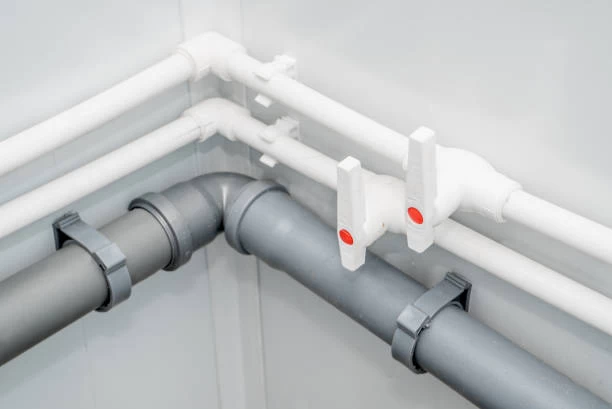
In modern civil construction, efficient water distribution and piping systems are crucial to the structural integrity and comfort of buildings. The PPR ball valve has become an essential component in these systems due to its durability, versatility, and adaptability. Used primarily in piping networks for water supply, heating systems, and industrial applications, PPR ball valves provide precise control over the flow of water and other fluids. Their high performance in residential, commercial, and industrial settings ensures long-lasting reliability, making them ideal for use in civil construction.
What is a PPR Ball Valve?
A PPR ball valve consists of a spherical disc or ball that rotates to control the flow of fluids through a pipe. The ball has a hole or port in the center that allows the liquid to pass through when aligned with the pipe. When the ball is rotated 90 degrees, the hole blocks the flow, effectively shutting off the valve. PPR, or Polypropylene Random Copolymer, is the material used for manufacturing the valve. This thermoplastic offers superior resistance to high temperatures, pressure, and corrosion, making it ideal for water systems in civil construction.
Key Benefits of PPR Ball Valves in Civil Construction
1. Durability and Longevity
PPR ball valves deliver exceptional durability, which is crucial in civil construction. The material resists corrosion, scaling, and degradation that commonly affect metal valves over time. This longevity reduces maintenance requirements, allowing building managers and homeowners to rely on the integrity of their plumbing systems without constant repair or replacement. Moreover, PPR ball valves resist the build-up of limescale, which often clogs valves in water systems.
2. Temperature and Pressure Resistance
Civil buildings, particularly residential and commercial structures, require plumbing systems that withstand varying pressures and temperatures. PPR ball valves support operations in both hot and cold water applications, handling temperatures up to 95°C and pressures up to 25 bar. This versatility makes them suitable for systems like water supply, central heating, and underfloor heating in civil construction projects. In addition to their excellent pressure handling, PPR ball valves do not deform under heat, ensuring consistent performance even in extreme environments.
3. Eco-Friendly Properties
Sustainability in civil construction has become increasingly important, and the materials used in plumbing systems contribute to this shift. PPR is a recyclable and environmentally friendly material, which significantly reduces the environmental impact of a building’s piping system. Unlike metal valves, PPR ball valves avoid releasing harmful substances into the water supply or environment. Furthermore, their lightweight nature decreases the energy required for transport and installation, further supporting eco-friendly construction practices.
4. Ease of Installation
One of the primary challenges in civil construction is ensuring that systems are installed efficiently and cost-effectively. PPR ball valves offer a quick and straightforward installation process. Builders can weld the valve to PPR pipes using a heat fusion method, which creates a leak-proof, homogenous joint that enhances the overall strength of the system. This process eliminates the need for extensive threading, gluing, or clamping, saving time and labor costs during construction.
5. Chemical Resistance
In civil buildings, especially those with specialized systems, piping networks may encounter various chemicals and aggressive substances. PPR ball valves possess excellent chemical resistance, which ensures safe operation even when exposed to detergents, cleaning solutions, or other corrosive materials. This quality makes them highly suitable for use in commercial buildings, healthcare facilities, and industrial settings where chemical exposure may occur.
Applications of PPR Ball Valves in Civil Construction
1. Water Distribution Systems
PPR ball valves play an essential role in residential and commercial water distribution systems. They regulate the flow of water in both domestic hot and cold water supply networks. With their temperature resistance and ease of use, PPR ball valves allow for precise control over water distribution in homes, apartment buildings, hotels, and office spaces. Furthermore, the valve’s ability to close tightly ensures minimal leakage, which helps conserve water and maintain the efficiency of the system.
2. Heating Systems
PPR ball valves serve a vital function in heating systems, including central heating and underfloor heating in modern buildings. They provide a reliable method for controlling the flow of hot water and ensuring the system operates efficiently. The ability to withstand high temperatures without compromising performance makes PPR ball valves an ideal choice for these applications. Their lightweight nature and easy installation also make them particularly attractive for large-scale civil construction projects, where heating systems must be installed quickly and efficiently.
3. Industrial and Commercial Plumbing Systems
In commercial and industrial settings, PPR ball valves support plumbing systems for factories, hospitals, shopping malls, and office buildings. Industrial applications often involve the flow of chemicals, oils, and other fluids, requiring robust valves that resist corrosion and chemical reactions. PPR ball valves ensure smooth and safe fluid transport while preventing the leakage or contamination of substances. This durability under harsh conditions is critical for the smooth functioning of these large facilities.
4. Irrigation Systems
Civil construction also includes irrigation networks for green areas such as parks, golf courses, and landscapes around buildings. PPR ball valves regulate the flow of water in these irrigation systems, ensuring efficient water use and consistent pressure levels. Their corrosion resistance and lightweight design make them perfect for use in outdoor environments where exposure to moisture, soil, and chemicals from fertilizers is common.
Comparative Advantages Over Other Materials
1. PPR vs. Metal Valves
PPR ball valves outperform metal valves in several aspects. Metal valves, especially those made of iron or steel, tend to corrode over time when exposed to water, chemicals, or moisture. This corrosion can lead to leaks, blockages, and system inefficiencies. PPR valves eliminate these concerns with their corrosion-resistant properties, ensuring longer service life and minimal maintenance. Additionally, PPR valves weigh significantly less than metal valves, reducing transportation costs and making them easier to install, especially in large civil construction projects.
2. PPR vs. PVC Valves
While PVC valves also offer corrosion resistance, they do not match the temperature tolerance and pressure resistance of PPR ball valves. PVC tends to become brittle and crack at higher temperatures, while PPR remains stable and durable. For civil construction projects that require high-performance piping for hot water or industrial applications, PPR ball valves prove to be a more reliable choice than PVC.
Challenges and Future Innovations
Although PPR ball valves provide numerous advantages, ongoing innovation continues to improve their design. Challenges include refining heat fusion techniques for even faster installations and improving compatibility with other materials to support diverse plumbing systems in civil construction. Future innovations may focus on integrating smart technology into ball valves, allowing remote monitoring and control over water flow in smart buildings, further improving efficiency in civil construction projects.
PPR manufacturers with brand influence
IFAN is a brand that offers products that meet a wide range of international standards, ensuring the quality and reliability of every product.PPR product standard including :ISO 15874 series standards, EN 15874 series standards, ASTM F2389, DIN 8077/8078, GB/T 18742 series standards, NBR 15884. IFAN is committed to providing high quality products and excellent service!
Conclusion
PPR ball valves have transformed civil construction by offering a reliable, durable, and eco-friendly solution for piping systems. Their ability to withstand high temperatures, pressures, and chemical exposure ensures efficient water distribution, heating, and industrial fluid control. As the construction industry shifts toward sustainable and efficient building practices, PPR ball valves continue to play a vital role in shaping modern infrastructure.
Connect
IFAN is a Chinese manufacturer of plastic pipes, fittings and valves with 30 years of experience. If you are interest in IFAN copper fittings, copper valves, plastic pipes and fittings, please contact us. IFAN offers you a variety of standard pipes to meet your specific needs. Click below to learn more about IFAN’s wide range of affordable and cost-effective valve products and piping system related products.
We will reply your email or fax within 24 hours.
You can call us at any time if there is any question on our production.
For more information,pls visit our webside https://www.waterpipefactory.com/
Pls Mailto: [email protected]
Whatsapp: + 86 19857948982