
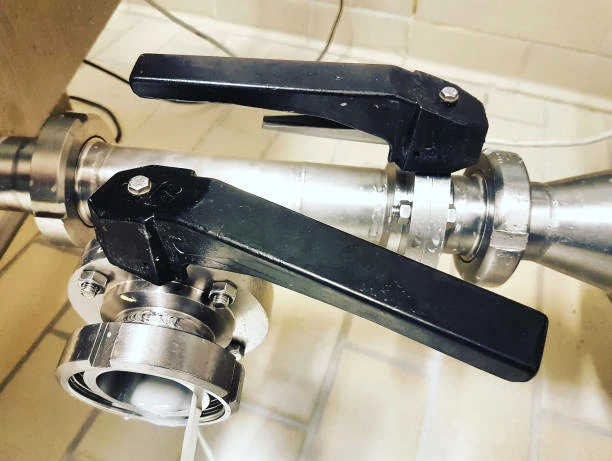
Relief valves serve as critical components in fire protection systems, ensuring that the system operates safely under various pressure conditions. These valves help maintain safe pressure levels, preventing damage or failure of the system. They are essential in controlling pressure in water supply systems, fire sprinklers, and foam systems, allowing uninterrupted operation during fire emergencies. This article explores the role, types, installation considerations, and maintenance of relief valves in fire protection systems.
1. The Role of Relief Valves in Fire Protection Systems
Relief valves regulate and maintain pressure within fire protection systems, preventing overpressure situations that can damage pipes, tanks, and pumps. When pressure exceeds a set threshold, the relief valve opens to release excess pressure, safeguarding the system from failure.
For fire protection systems, maintaining the correct pressure is critical for the efficient operation of sprinklers and ensuring adequate water flow during an emergency. Relief valves ensure that pressure stays within safe limits, preventing issues like leaking, pipe rupture, or system shutdowns.
2. How Relief Valves Operate
Relief valves automatically release fluid or gas from a system when the pressure exceeds a preset level. A spring-loaded mechanism usually regulates these valves. The spring tension is calibrated to a specific pressure threshold, and when pressure builds, the valve opens to release the excess.
Once the pressure returns to a safe level, the valve closes. This ensures the system resumes normal function. Relief valves act quickly and reliably, minimizing the risk of catastrophic failure in critical systems like fire protection.
3. Types of Relief Valves Used in Fire Protection
Several relief valve types exist, each suited for different fire protection applications.
- Spring-loaded relief valves: Commonly used in fire protection systems, these valves open when the pressure exceeds a set point. The spring mechanism controls the pressure release.
- Pilot-operated relief valves: These valves use a pilot valve to sense pressure changes and activate the main valve. They work well in larger systems that need precise pressure control.
- Balanced relief valves: These valves maintain constant pressure even when system pressure fluctuates. They are ideal for systems requiring consistent pressure regulation, such as in pressurized water supply systems.
Choosing the right valve type depends on the fire protection system’s size, complexity, and requirements. Each valve type offers unique benefits for effective pressure management.
4. Installation Considerations for Relief Valves
Correct installation of relief valves ensures efficient operation and safety. Considerations during installation include the valve’s location, proper sizing, and system design.
The valve should be positioned in a place where excess pressure can safely be released without causing harm to sensitive components or personnel. A drain or exhaust pipe may be necessary to divert the fluid flow.
Valves should be installed near critical points in the system where pressure buildup is likely, such as near pumps or pressure tanks. Valve sizing must also match system specifications. A valve that’s too small might not release enough pressure, while one that’s too large could result in unnecessary downtime.
5. Maintenance of Relief Valves
Regular maintenance is essential for the reliable operation of relief valves. Over time, valves may become clogged, corroded, or worn, hindering their performance.
Inspection should focus on the condition of the spring mechanism, seals, and overall integrity. For spring-loaded valves, checking the spring’s tension ensures proper function. Cleaning valve components prevents blockages that can prevent the valve from opening.
Periodic testing is also necessary. This can be done by simulating an overpressure scenario or measuring system pressure. If the valve fails to open at the correct pressure, consider repairs or replacements.
6. Challenges and Innovations in Relief Valve Technology
Recent innovations in relief valve technology aim to address challenges like fluid type variability, corrosion, and system complexity.
Relief valves must handle a range of fluids used in fire protection systems, such as foam and chemical agents. New valve designs incorporate materials resistant to wear and corrosion, improving their lifespan and reliability.
Smart technologies have also entered the field. These “smart” relief valves feature sensors that monitor system pressure and performance in real-time. They notify operators of any potential issues, allowing for proactive maintenance and ensuring that the system remains safe during an emergency.
These innovations enhance the reliability of fire protection systems, making them more efficient and safe for handling increasing demands.
Conclusion
Relief valves protect fire protection systems by regulating pressure and preventing damage from overpressure. Proper installation, maintenance, and selection of relief valves are essential for optimal performance. As technology advances, relief valves become smarter and more durable, further enhancing system reliability. These valves remain crucial in safeguarding fire suppression systems and ensuring safety in emergencies.
International Standards for Brass Ball Valves
Brass ball valves are widely used in various fluid control applications due to their durability, reliability, and high resistance to corrosion. To ensure these valves meet the necessary safety and performance requirements, they are designed according to numerous international standards. For instance, ASTM 2846 outlines specifications for thermoplastic ball valves, while DIN 8079/8080 focuses on compatibility with polyethylene and polypropylene pipes. Additionally, standards such as ASTM F441/F441M SCH80 and AS/NZS 1477 ensure the valves’ effectiveness in PVC piping systems. By adhering to these strict regulations, brass ball valves maintain optimal performance, ensuring they are suitable for both residential and industrial settings, including drinking water systems, with certifications like NSF/ANSI 14.
Connect
IFAN is a Chinese manufacturer of plastic pipes, fittings and valves with 30 years of experience. If you are interest in IFAN copper fittings, copper valves, plastic pipes and fittings, please contact us. IFAN offers you a variety of standard pipes to meet your specific needs. Click below to learn more about IFAN’s wide range of affordable and cost-effective valve products and piping system related products.
We will reply your email or fax within 24 hours.
You can call us at any time if there is any question on our production.
For more information,pls visit our webside https://www.waterpipefactory.com/
Pls Mailto: [email protected]
Whatsapp: + 86 152 1588 7738