
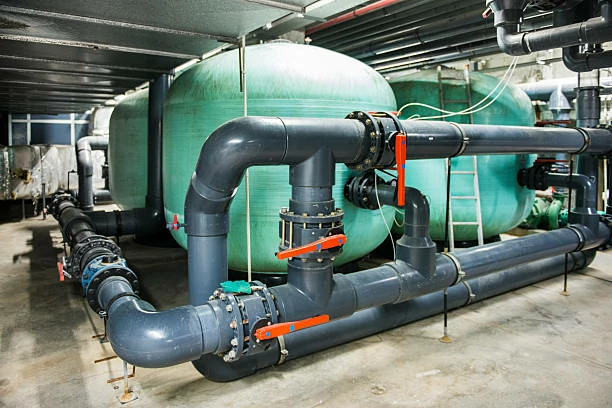
PVC valves are popular in various industries due to their durability, corrosion resistance, and ease of installation. When choosing a PVC valve, it’s essential to understand the specific requirements of the application, such as pressure, temperature, and fluid type. This guide will provide insights into selecting the right PVC valve for different applications, ensuring optimal performance, reliability, and longevity.
1. Understanding PVC Valve
PVC valves control fluid or gas flow in a variety of systems, such as plumbing, irrigation, and chemical processing. These valves are made from polyvinyl chloride (PVC), a thermoplastic material known for its resistance to corrosion, chemicals, and UV degradation. PVC valves are lightweight, cost-effective, and easy to install, making them ideal for many fluid control applications.
For most applications, PVC valves provide excellent sealing performance and can handle a wide range of pressure and temperature conditions. Their resistance to scaling and corrosion makes them particularly useful in systems that handle water or corrosive chemicals. However, selecting the right PVC valve depends on factors like pressure rating, fluid compatibility, and operational environment.
2. Choosing the Right Type of PVC Valve
Several types of PVC valves are available, each suited for different applications. The most common types include:
- Ball valves: Ideal for on/off control, ball valves are quick to operate and require minimal maintenance. They are commonly used in residential plumbing and irrigation systems.
- Gate valves: Gate valves offer precise control over fluid flow. They are suitable for applications where regulating the flow is essential, such as in water treatment plants or industrial piping systems.
- Check valves: Used to prevent backflow, check valves ensure that fluids only flow in one direction. They are commonly used in water and wastewater systems.
- Globe valves: Globe valves offer fine control over flow rates. These valves are typically used in applications where accurate flow regulation is necessary, such as in chemical processing systems.
The type of valve selected depends on the specific needs of the system and its operational requirements. Each valve type has distinct advantages, depending on whether you need to control flow, prevent backflow, or regulate pressure.
3. Key Factors to Consider for PVC Valve Selection
When selecting a PVC valve for an application, several key factors should be considered to ensure proper performance:
- Pressure Rating: PVC valves come in various pressure ratings, typically ranging from 150 psi to 450 psi. It’s essential to choose a valve that can handle the maximum pressure your system may encounter.
- Temperature Range: PVC valves are suitable for a wide temperature range, typically from 32°F to 140°F (0°C to 60°C). However, exceeding these limits can lead to valve failure. For higher temperature systems, consider using valves made from CPVC or other high-temperature-resistant materials.
- Chemical Compatibility: PVC valves are highly resistant to a wide range of chemicals. However, some aggressive chemicals can damage PVC. Always check the compatibility of the fluid with the valve material to ensure safe operation.
- Flow Rate: Different PVC valve types offer varying flow capacities. If your application involves high-flow systems, choose a valve with a larger bore to accommodate the flow rate without causing excessive pressure drop.
- Size and Fitting: PVC valves come in a variety of sizes and fitting types. Select the valve size that matches your pipe dimensions to ensure proper installation and flow efficiency. Fitting types include threaded, slip, and flanged connections, which offer different installation options.
4. Applications of PVC Valve
PVC valves are used in numerous applications across various industries. Here are some of the most common:
- Residential Plumbing: PVC ball valves and gate valves are commonly used in residential plumbing systems to control water flow to fixtures and appliances.
- Irrigation Systems: In agricultural and landscaping applications, PVC valves control the flow of water to irrigation systems, helping to manage water distribution efficiently.
- Water Treatment: PVC valves are ideal for water treatment plants where the flow of chemicals, such as chlorine or flocculants, must be carefully controlled. PVC’s resistance to corrosion makes it a reliable choice in these environments.
- Chemical Processing: PVC valves are also used in the chemical industry to control the flow of aggressive fluids like acids and bases. Specially designed PVC valves can withstand the chemical properties of these fluids.
- Aquaculture: In aquaculture systems, PVC valves control the flow of water to maintain optimal conditions for fish farming. They ensure water circulation and filtration systems operate efficiently.
PVC valves are highly versatile and provide reliable performance across a wide range of industries, ensuring fluid control in critical processes.
5. Installation and Maintenance of PVC Valve
Installing and maintaining PVC valves requires attention to detail to ensure long-lasting performance:
- Installation: When installing PVC valves, ensure that the pipe connections are clean and free of debris. Use appropriate thread sealants or joint compounds to prevent leaks. Ensure that the valve is installed in the correct orientation for the desired flow direction.
- Maintenance: PVC valves require minimal maintenance. Regularly inspect the valves for leaks, and ensure that the actuator or handle operates smoothly. For ball valves, check that the ball moves freely and isn’t obstructed. For globe valves, ensure the stem is well-lubricated to prevent wear.
Over time, UV exposure or exposure to harsh chemicals may degrade the PVC material. In such cases, consider replacing the valve or using protective coatings to extend its lifespan.
6. Advantages and Limitations of PVC Valve
PVC valves offer several advantages, including:
- Corrosion resistance: PVC valves are resistant to rust, scale, and corrosion, making them ideal for water and chemical handling.
- Cost-effectiveness: PVC valves are generally more affordable than metal alternatives, offering a budget-friendly solution for fluid control.
- Ease of installation: Lightweight and easy to handle, PVC valves simplify installation and reduce labor costs.
- Low maintenance: PVC valves require minimal maintenance and are durable in many environments.
However, PVC valves have some limitations:
- Temperature sensitivity: PVC is not suitable for high-temperature applications. CPVC valves may be a better option for temperatures exceeding 140°F (60°C).
- Impact sensitivity: PVC can become brittle and crack under impact, so it is not ideal for high-impact environments.
- Chemical limitations: PVC may not be compatible with all chemicals, particularly aggressive solvents and oils.
Considering the advantages and limitations helps determine whether PVC valves are the right choice for your application.
Conclusion
PVC valves are an excellent choice for various applications, from residential plumbing to industrial fluid control. By understanding the factors that affect valve performance—such as pressure, temperature, chemical compatibility, and flow rate—users can select the best PVC valve for their needs. Additionally, proper installation and maintenance ensure that PVC valves operate effectively over time. Whether used for irrigation, water treatment, or chemical processing, PVC valves offer a reliable and cost-effective solution for fluid management.
International Standards for Brass Ball Valves
Brass ball valves are widely used in various fluid control applications due to their durability, reliability, and high resistance to corrosion. To ensure these valves meet the necessary safety and performance requirements, they are designed according to numerous international standards. For instance, ASTM 2846 outlines specifications for thermoplastic ball valves, while DIN 8079/8080 focuses on compatibility with polyethylene and polypropylene pipes. Additionally, standards such as ASTM F441/F441M SCH80 and AS/NZS 1477 ensure the valves’ effectiveness in PVC piping systems. By adhering to these strict regulations, brass ball valves maintain optimal performance, ensuring they are suitable for both residential and industrial settings, including drinking water systems, with certifications like NSF/ANSI 14.
Connect
IFAN is a Chinese manufacturer of plastic pipes, fittings and valves with 30 years of experience. If you are interest in IFAN copper fittings, copper valves, plastic pipes and fittings, please contact us. IFAN offers you a variety of standard pipes to meet your specific needs. Click below to learn more about IFAN’s wide range of affordable and cost-effective valve products and piping system related products.
We will reply your email or fax within 24 hours.
You can call us at any time if there is any question on our production.
For more information,pls visit our webside https://www.waterpipefactory.com/
Pls Mailto: [email protected]
Whatsapp: + 86 152 1588 7738