
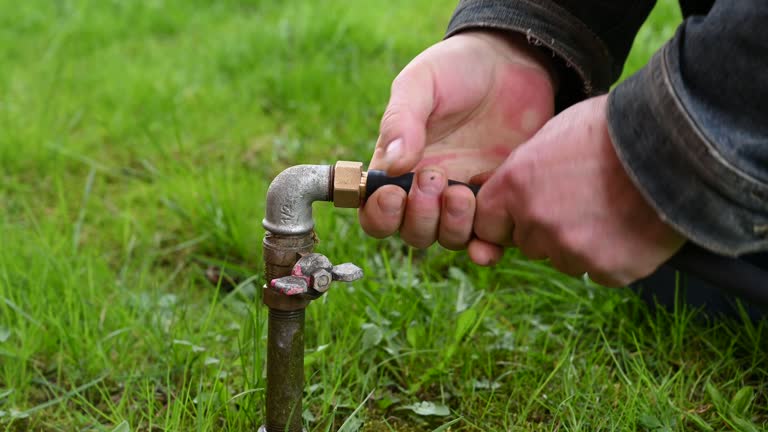
1. The Green Shift in Plumbing Hardware
Modern industries increasingly prioritize eco-friendly materials to reduce environmental footprints. Drainage ball taps, essential for fluid control, now embrace sustainable engineering. Manufacturers replace traditional plastics and lead-based alloys with biodegradable or recycled alternatives. This shift aligns with global climate goals while maintaining valve durability and performance. Governments and corporations now mandate green material usage in public infrastructure projects, accelerating adoption.
2. Recycled Metals: Closing the Resource Loop
Leading brands now craft drainage ball taps from 95% recycled brass and stainless steel. Scrap metal from automotive and electronics industries undergoes purification to meet plumbing standards. Recycled brass cuts mining demand by 70% and reduces CO₂ emissions by 65% compared to virgin materials. Cities like Amsterdam and Vancouver incentivize contractors using such valves in municipal water systems, fostering circular economies.
3. Bio-Based Polymers for Seals and Coatings
Engineers replace petroleum-based PTFE seals with plant-derived alternatives. Castor oil polymers and lignin-based composites now line ball tap seats, offering comparable leak resistance without toxic byproducts. These bio-seals decompose safely in landfills, unlike traditional plastics. A 2023 study by the Green Plumbing Institute showed bio-polymer valves reduce microplastic leakage into waterways by 89%.
4. Low-Impact Manufacturing Techniques
Factories adopt solar-powered foundries to melt recycled metals for ball tap production. Waterless laser cutting minimizes waste, while 3D printing creates custom valve components from recycled ABS plastic. Closed-loop cooling systems recycle 98% of industrial water used in polishing processes. Such methods slash energy consumption by 40% and eliminate hazardous runoff.
5. Case Study: Singapore’s Zero-Waste Valve Initiative
[NEWS REPORT INTEGRATION]
In June 2024, Singapore’s National Water Agency launched a pilot replacing 2,000 drainage ball taps with fully recyclable models. The Straits Times reported a 91% reduction in maintenance waste within six months. Made from reclaimed copper and algae-based seals, these valves withstand tropical humidity while cutting lifecycle carbon emissions by 78%. “This proves sustainability and functionality coexist,” declared project lead Dr. Mei Lim, signaling plans for nationwide rollout by 2026.
6. Certifications Driving Material Choices
Eco-label certifications like Cradle to Cradle (C2C) and Declare Shape material selection. Manufacturers design drainage ball taps to meet Platinum C2C standards, ensuring every component is recyclable or compostable. The EU’s REACH regulation bans 1,400+ harmful substances, pushing brands to develop non-toxic ceramic coatings. These credentials help consumers identify valves that align with UN Sustainable Development Goals (SDGs).
7. Reducing Chemical Pollution in Water Systems
Traditional valve coatings often leach zinc or chromium into pipelines. Green alternatives like graphene-oxide layers provide corrosion resistance without heavy metals. Researchers at MIT recently developed a self-healing nanocellulose coating that repels mineral buildup, eliminating chemical descaling agents. Such innovations protect aquatic ecosystems while extending valve lifespan.
8. Future Frontiers: From Mycelium to Moon Dust
Pioneers explore radical materials like mycelium-composite bodies that biodegrade post-use. Lunar concrete-infused ball taps, tested by NASA for Mars colonies, withstand extreme temperatures without synthetic additives. Lab-grown “bio-metals” from bacteria-produced iron could replace mining-dependent alloys by 2035. These breakthroughs promise valves that actively regenerate ecosystems rather than merely minimizing harm.
Conclusion
The marriage of drainage ball taps and sustainable materials reshapes plumbing’s environmental legacy. From recycled brass to space-age biomaterials, each innovation advances a world where infrastructure heals rather than harms the planet. As consumers and regulators demand accountability, green valves will flow from niche to norm – one leak-free, Earth-friendly connection at a time.
IFAN PEX fittings meet ISO 15875, GB/T 18992, DIN 16892, ASTM F877/F2788, BS 7291, BS EN ISO 15875 and CSA B137 standards for optimum quality and compatibility.
Connect
IFAN is a Chinese manufacturer of plastic pipes, fittings and valves with 30 years of experience. If you are interest in IFAN copper fittings, copper valves, plastic pipes and fittings, please contact us. IFAN offers you a variety of standard pipes to meet your specific needs. Click below to learn more about IFAN’s wide range of affordable and cost-effective valve products and piping system related products.
We will reply your email or fax within 24 hours.
You can call us at any time if there is any question on our production.
For more information,pls visit our webside https://www.waterpipefactory.com/
Pls Mailto: [email protected]
Whatsapp: + 86 152 1588 7738